

Quick summary
Event styling is the visual and culinary design of an event, created to reflect the atmosphere, brand identity, or personal story behind the occasion. The biggest styling trends for 2025 and 2026 are:
- Statement décor and dramatic lighting: large-scale lighting installations, candle-heavy styling, and striking floral backdrops
- Interactive food stations: walking dinners with five to eight courses, live cooking stations, and build-your-own bars
- Personalization: a cohesive theme running through the venue, menu, and even dress code
- Sustainability as the standard: seasonal flowers, locally sourced ingredients, and reusable furniture
- Full-service concepts over separate suppliers: one partner handling catering, styling, technical production, and rentals
Why styling and catering go hand in hand
When people start planning a wedding or a corporate event, the first question is usually the venue. Catering comes next. Then, often a little too late, comes the question: how do we make the space actually look right? That is exactly where things can start to unravel. (Services)
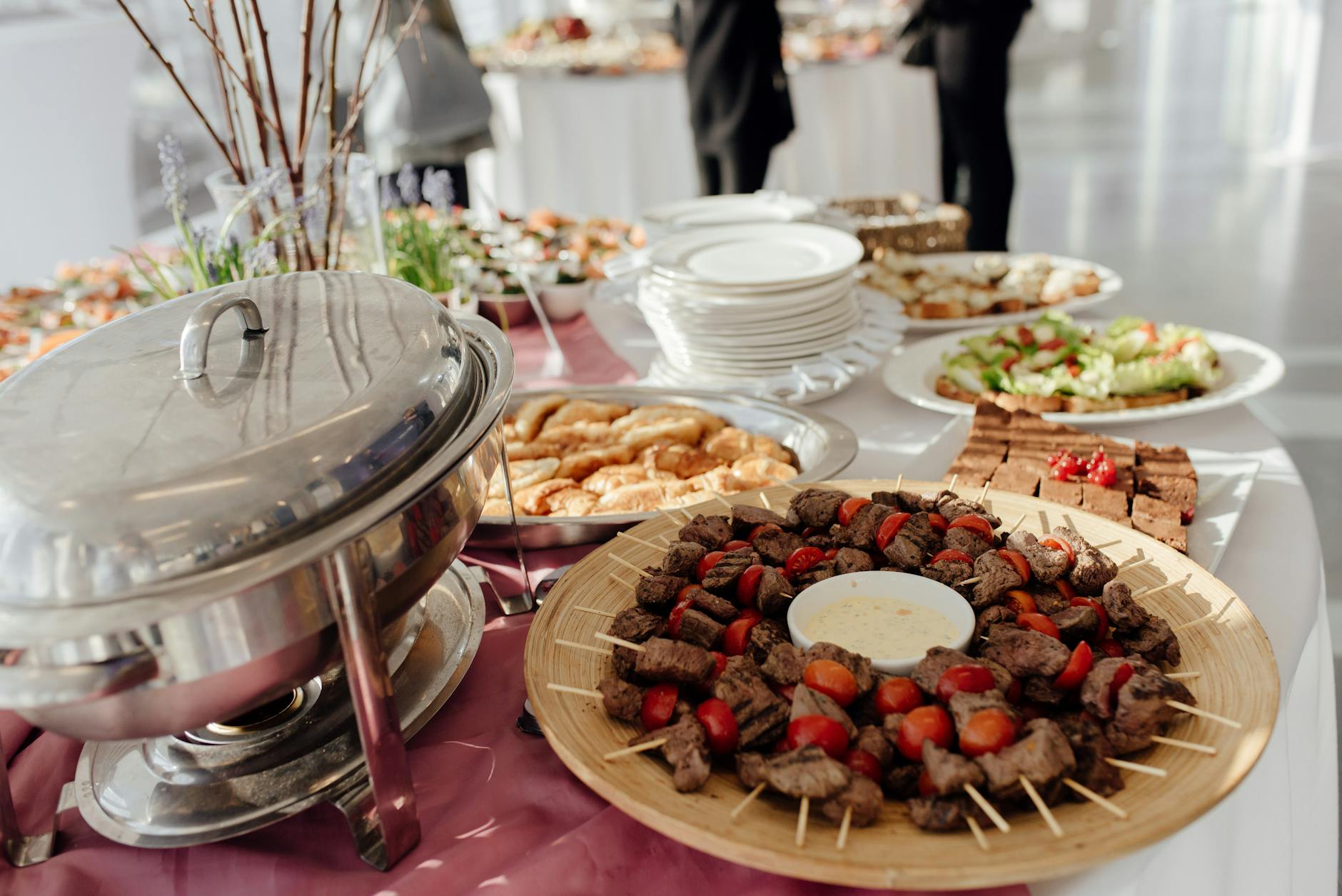
In practice, styling and catering are two sides of the same guest experience. A walking dinner served on beautifully styled tableware with thoughtful presentation feels completely different from the exact same menu plated on standard catering crockery. Event styling goes far beyond decorations alone; it shapes the mood, tells the story of the day, and creates a setting people remember.
That is just as true for corporate events as it is for weddings. A marketing manager planning a product launch wants the venue to reflect the brand at every touchpoint. A couple wants every table, every lighting detail, and every plate to feel personal. Different audiences, same challenge: multiple suppliers handling different parts of the event, without always working from the same vision.
La Casserole sees this all the time. For many clients, the biggest source of stress in the lead-up to an event is coordinating the caterer, the stylist, and the technical production team. That is exactly the gap La Casserole fills as a full-service partner: catering, styling, technical production, rentals, and project management under one roof.
Which styling trends will define weddings in 2025 and 2026?
From minimalist to bold and deeply personal
After years of understated minimalism, weddings are moving in a bigger, bolder direction. Think dramatic gowns with volume, rich textures, statement décor from floral clouds to an abundance of candles, and confident color pairings. In 2026, couples are embracing impact.
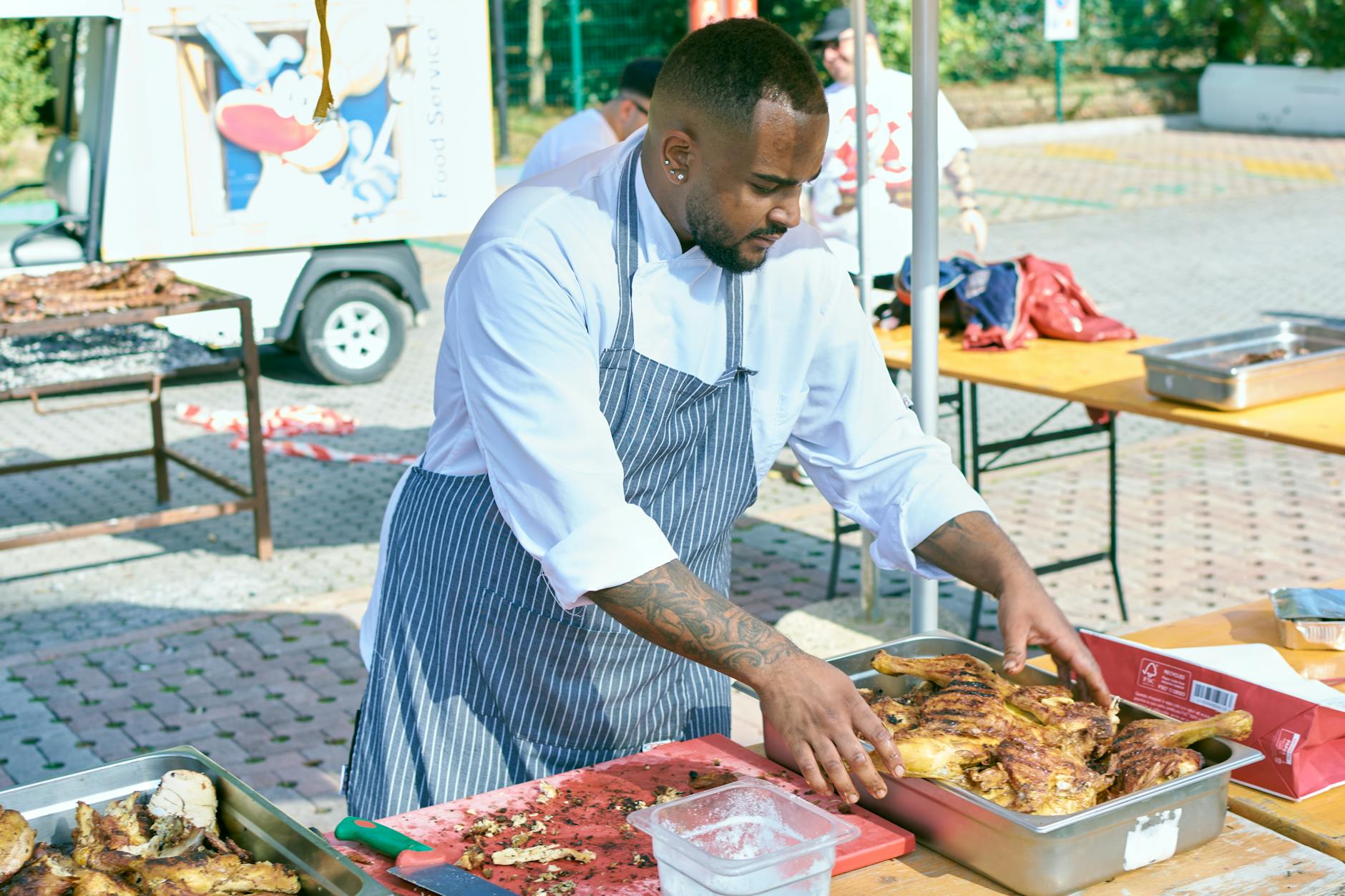
Soft pastels are making way for more unexpected shades like honeydew green, warm terracotta, burgundy, and rich jewel tones. That shift in palette has a direct effect on table styling. Couples are now combining flowers, candles, and furniture into a carefully built color story that runs throughout the venue, from the ceremony setup to the dinner tablescape.
The market is clearly moving toward standout pieces, lavish backdrops, and highly styled dining tables. In practical terms, that means two-meter floral walls as ceremony backdrops, suspended lighting features above dinner tables, and layered table runners with individually styled place settings for every guest.
Lighting as a defining design tool
Lighting plays a central role in 2025 styling trends. From soft ambient glows and candlelight to eye-catching lighting installations, the right lighting design can completely transform a wedding.
One emerging trend is framing the ceremony with a custom light installation. More and more couples are choosing a setting where lighting does more than illuminate the space; it creates atmosphere and gives the moment a unique, personal feel. For event partners like La Casserole, where technical production and styling are developed as one integrated concept, this is a natural fit. Lighting, sound, and décor are designed to work together as a single system.
Personalization as the common thread
In 2025, it is all about personality, sustainability, and guest experience. Couples are increasingly choosing intimate ceremonies, creative themes, and interactive moments for their guests.
Most couples want their wedding to feel unmistakably theirs. Every part of the day should reflect their personality and their story together. At the same time, they want to create a memorable experience for their guests through details that feel thoughtful and distinctive.
DIY checklist:
- Start by choosing one central style direction: a color palette, a theme, or a time period. Let every other decision, from flowers and lighting to furniture and menu presentation, flow from that.
- Check whether your caterer and styling partner are aligned on tableware, linens, and table décor. If they are not, the visual concept tends to break down in the one place guests look most closely: the table.
- Ask your venue what is possible in terms of custom lighting rigs. Many historic venues, including Kasteel Henkenshage in Sint-Oedenrode, allow tailored lighting but require close coordination with the technical team.
- Put together a mood board with at least ten reference images before speaking to suppliers.
How are styling expectations changing for corporate events?
From decorative to strategic
At corporate events, styling serves a fundamentally different purpose than it does at weddings. An HR manager organizing a staff party for two hundred people does not just want the room to look attractive. The atmosphere needs to support the company’s brand identity and the goal of the evening, whether that is connection, appreciation, or celebrating a milestone.
That requires a more strategic approach. The color palette, room layout, tableware, and type of catering all become part of the message. A walking dinner encourages movement and informal conversation. A seated gala dinner with elevated table styling communicates exclusivity and appreciation. Choosing one over the other is not simply an aesthetic decision; it shapes how guests experience the event.
The rise of interactive food stations as a styling feature
Instead of a traditional dinner, more and more clients are opting for interactive catering concepts such as sushi bars, pizza ovens, or dessert stations. The result is a festive, informal atmosphere.
At the same time, these stations are both culinary and visual. A live oyster bar, an artisan cheese station, or a walking dinner with five to eight courses becomes a carefully staged experience. Quiet luxury emerged as a major catering trend in 2024 and continues to gain momentum. It is driven by growing demand for refined, high-quality food experiences where craftsmanship matters more than excess.
A practical example: a marketing director at a mid-sized technology company is planning a product launch for one hundred to one hundred and fifty guests. Instead of choosing a buffet, he opts for a seven-course walking dinner, with each station reflecting the colors and design language of the new product. The tableware styling, background lighting, and spatial layout all reinforce the brand message. That is the difference between a pleasant evening and an event people remember.
Sustainability built into styling decisions
By 2026, sustainability is no longer a trend. It is simply expected. From outfits made with reused fabrics to plant-forward menus and styling with locally grown flowers, couples and clients are making choices that feel responsible and still look exceptional.
There is also a legal and operational side to this for caterers. Every caterer in the Netherlands is required to inform guests about the presence of fourteen EU allergens, including for walking dinners and buffets, as set out by the Netherlands Food and Consumer Product Safety Authority (NVWA). That makes sustainable and inclusive menu planning, along with transparent allergen information, not just a marketing angle but a practical requirement.
DIY checklist:
- Ask explicitly where styling materials come from in every proposal: are they purchased, rented, or recycled?
- Check whether the caterer has an up-to-date allergen policy and whether it also covers unpackaged dishes such as a walking dinner.
- Test the styling concept against the actual goal of the event. Does the layout support the kind of interaction you want? Rows of tables for two hundred guests rarely make sense for a networking event.
- Compare the cost structure of off-site catering for corporate events before hiring separate styling and technical suppliers.
Why separate suppliers can undermine styling quality
The problem with most events is not the quality of the individual suppliers. It is the coordination between them.
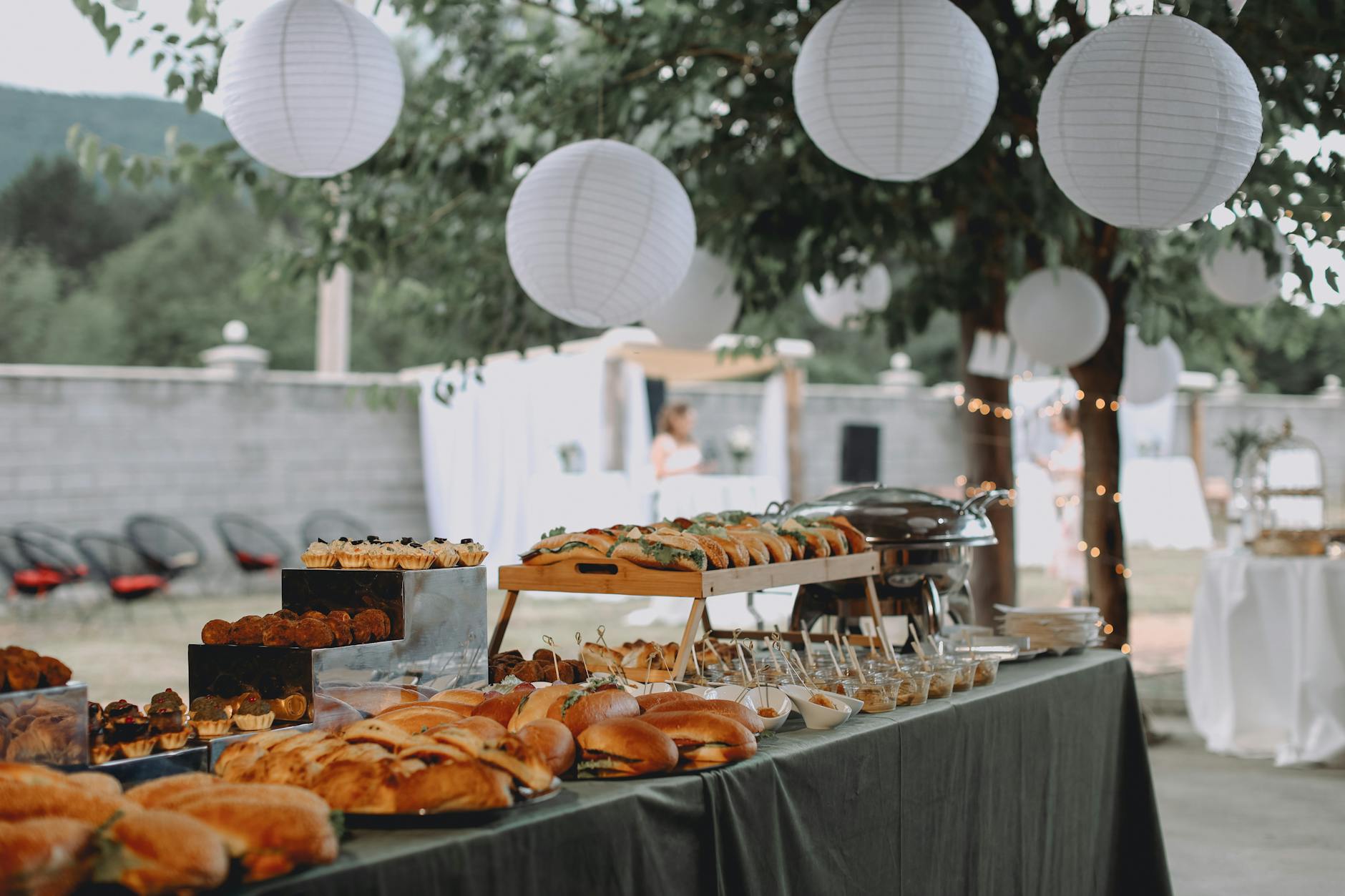
Imagine a couple hires a separate caterer, an independent stylist, and an outside lighting supplier. The caterer chooses white tableware. The stylist has built the concept around cream and gold. The lighting supplier installs warm white lighting, which changes how the flowers in the centerpieces appear compared with the approved proposal. No one has obviously done anything wrong, yet the end result still feels off.
La Casserole sees this pattern regularly in clients who previously worked with multiple independent suppliers. The answer is not better last-minute communication. The answer is one partner managing all disciplines from concept to execution.
The comparison: separate suppliers versus a full-service partner
| Criteria | Separate suppliers | Full-service partner (La Casserole) |
|---|---|---|
| Number of points of contact | Typically 4-6 | 1 central point of contact |
| Styling alignment | Manual, with a higher risk of mismatch | Integrated into the concept |
| Technical production and lighting | Separate quote and planning | Included in one overall proposal |
| Allergen registration | Responsibility can be unclear | One party accountable |
| Furniture and rentals | Additional contract required | In-house inventory available |
| Experience with venues in Brabant | Depends on the supplier | More than 40 years of venue knowledge |
| Risk of coordination issues on the day | Significantly higher | Lower due to central direction |
What one point of contact really delivers
For a wedding with one hundred to one hundred and twenty guests at a historic venue in Brabant, there are usually five to seven suppliers involved. Every handover and every point of contact creates room for mistakes. A full-service partner handling catering, styling, lighting, sound, and rentals in-house or through trusted fixed partners reduces that risk considerably.
La Casserole works from Best with a strong network of trusted partners for entertainment, food trucks, lighting, sound, and décor, combined with its own furniture and equipment. That means the styling plan for a walking dinner, including tableware, linens, lighting, and room layout, can be agreed in one conversation and executed by one team.
You can find more about how this all-in approach works in practice on the La Casserole overview page.
DIY checklist:
- During the quotation stage, list every supplier involved in your event. Count the number of contact moments. More than four active suppliers on the day itself increases coordination risk significantly.
- Check who is responsible for the final sign-off on the room styling on the day. If no one clearly owns that role, you have a problem.
- Ask each supplier directly: what happens if the schedule overruns and your setup overlaps with another supplier’s build time?
- Also read the article on full-service catering for corporate events for a clear overview of what full-service support actually means.
Walking dinner catering: more than just a dining format
A walking dinner catering concept is a dining format where guests eat smaller courses while standing or moving through the space, encouraging conversation and flow. It is both a culinary choice and a styling decision: the room layout, the presentation of each course, and the guest flow matter just as much as the menu itself.
According to KOM Catering & Events, a walking dinner requires at least 1.5 to 2 square meters of space per guest. A room that can seat two hundred guests may only comfortably hold one hundred and twenty to one hundred and fifty for a walking dinner. That has immediate consequences for styling plans: fewer guests means more space per station, and therefore more room for elaborately designed presentation areas.
The same source states that a standard walking dinner consists of five to eight courses, typically progressing from lighter to more substantial dishes. For a full evening event, six to eight courses are common; for a shorter two-hour program, five courses is often enough. Each station becomes a visual moment in its own right. An amuse served on a slate plate creates a completely different impression from a dessert station styled with fresh ingredients on display.
At La Casserole, walking dinner catering is always planned alongside the room styling. Station placement, tableware, and zone-specific lighting are all decided in the same concept phase. That way, the walking dinner is not only delicious but visually coherent too.
DIY checklist:
- Start by calculating the venue’s net usable floor space, excluding the bar, stage, and cloakroom. Divide that number by 1.5 to estimate the maximum guest count for a walking dinner.
- Decide whether you want to combine the walking dinner with a seated moment, such as dessert or a ceremonial part of the evening. That requires a hybrid layout and affects styling decisions.
- Plan the courses from light to rich and make sure each station looks visually distinct from the last. Vary height, materials, and presentation colors.
- Ask the caterer for allergen information for each course. This is legally required for all unpackaged food.
Frequently asked questions
What are the biggest wedding styling trends for 2025 and 2026?
Bold, personal styling defines wedding design in this period. Soft pastels are giving way to richer shades like terracotta, burgundy, and cobalt blue, paired with statement décor such as large floral walls, suspended lighting installations, and layered table styling. Personalization is key: couples are choosing cohesive concepts that tie together the venue, menu presentation, and dress code. Lighting has also moved from an afterthought to one of the most influential styling tools.
How does walking dinner catering work as a styling concept?
Walking dinner catering is a dining format where food presentation and room layout are just as important as the menu itself. Each course is served at its own station, with its own visual identity. Space planning is essential: allow at least 1.5 to 2 square meters per guest and plan for five to eight courses if you want a full-evening program. La Casserole builds the styling plan for a walking dinner into the overall event concept, so tableware, lighting, and layout are all aligned from the start.
How does La Casserole combine catering and styling for events?
La Casserole is a full-service event partner based in Best, offering catering, styling, technical production, rentals, and project management as one integrated service. In practice, that means menu choices are developed in direct connection with tableware, lighting, and table styling. With more than forty years of experience and its own characterful venues such as Kasteel Henkenshage and Het Ketelhuis in Brabant, La Casserole has both the venue expertise and the partner network to create a fully cohesive event concept.
What does event styling typically cost for a wedding or corporate event?
Event styling can vary widely in cost depending on scale, materials, and how complex the concept is. Simple table styling for a corporate dinner for fifty guests is in a very different price bracket from a fully developed wedding design with lighting installations, floral walls, and custom tableware. Costs also depend heavily on whether styling is hired separately or included in a broader package. With a full-service partner, coordination costs are reduced, which can make a significant difference on larger events.
Why is demand growing for full-service event partners in the Netherlands?
The Dutch event catering sector grew strongly between 2007 and 2024, with the number of event catering businesses multiplying significantly according to CBS. That growth has increased choice, but it has also made the market more fragmented. Clients can now choose from dozens of specialist suppliers for every part of an event. At the same time, demand for full-service partners is rising because coordinating separate suppliers is often the biggest source of stress and error. One point of contact that integrates catering, styling, and technical production solves that problem at the source.
Conclusion
The styling trends shaping weddings and corporate events in 2025 and 2026 all point in the same direction: more personality, more experience, and a higher standard for visual consistency across the entire space. Within that shift, walking dinner catering has evolved from a practical dinner format into a fully fledged concept tool, where each station is designed as carefully as the dish itself.
The real risk is splitting that overall experience across multiple suppliers, each managing only one part. The strongest events, whether weddings or corporate gatherings, happen when catering, styling, technical production, and rentals are all delivered under one direction.
That is exactly what La Casserole offers: more than forty years of experience, distinctive venues in Brabant, and a proven full-service approach for events of every size. If you are planning a wedding or corporate event where every detail needs to work together, that combination gives you a solid foundation.
Looking to host a stylish event in Brabant? Let us handle it!
Sources
- Nederlandse Voedsel- en Warenautoriteit (NVWA) — Nvwa
- KOM Catering & Events — Kenjekom
- CBS — Cbs
- Meer restaurants en catering, minder cafés — Centraal Bureau voor de Statistiek (CBS)
- Allergenen — Nederlandse Voedsel- en Warenautoriteit (NVWA)
- Walking dinner organiseren: wat je moet weten — KOM Catering & Events
- Bruiloft trends 2026 — ThePerfectWedding.nl
- 7 stylingtrends voor bruiloften in 2025 — Save the Date Weddings