

Most hidden event costs are not included in the per-guest price. To avoid hidden event costs, check seven areas before you sign: the VAT breakdown, staffing hours and overtime, drinks, guaranteed guest numbers, hire equipment and breakages, transport and technical production, and permits. Ask for a fixed price or a clear cap for each item. If that is not possible, you will at least know where to build contingency into your budget.
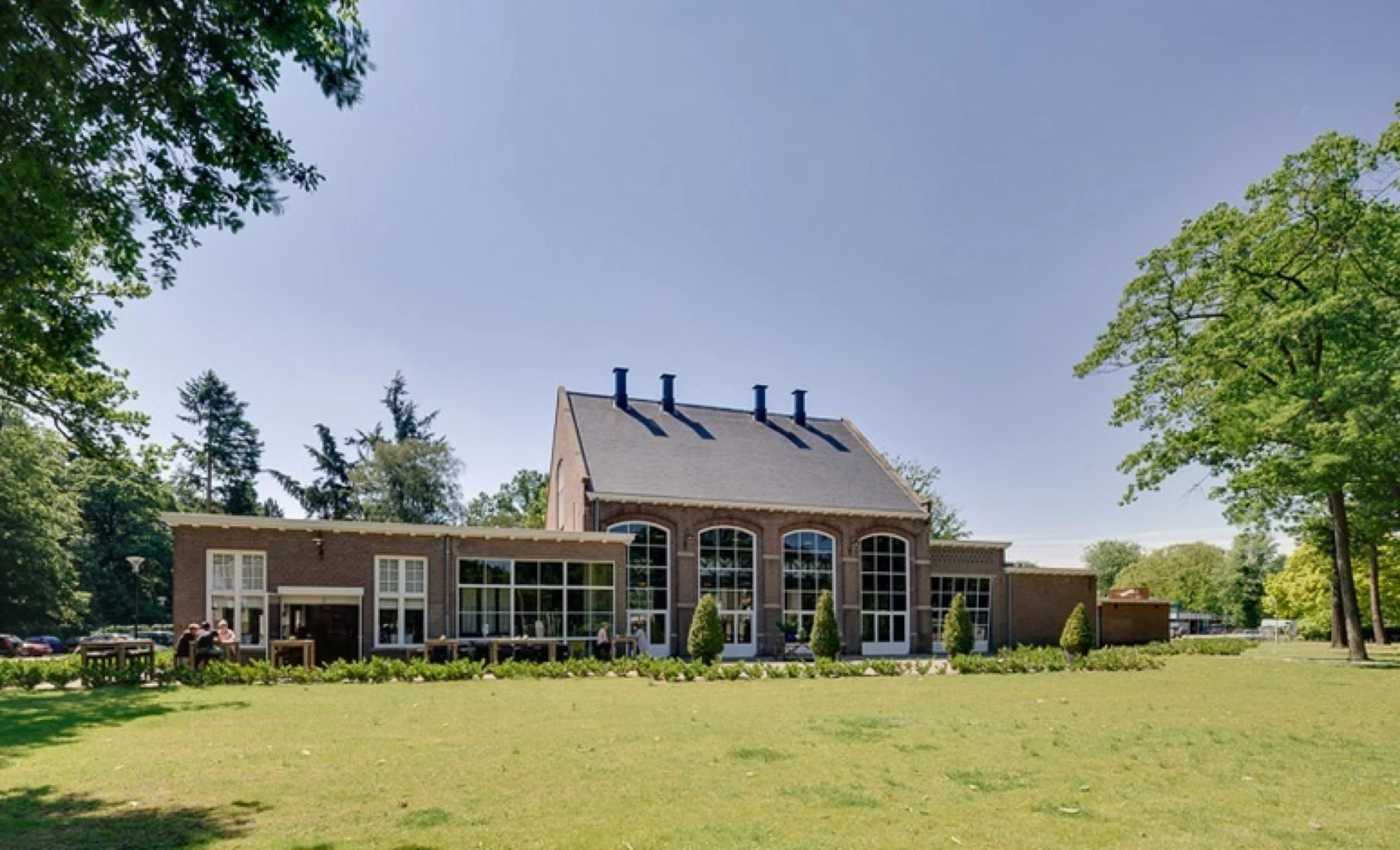
Why is the invoice for a corporate event higher than the quote?
Senior management wants a staff party, HR sets a budget, and you are asked to make it happen. You request a few quotes, choose the best one, and the event goes well. Then, three weeks later, the invoice arrives and it is significantly higher than the amount approved internally. (Services)
That is rarely because the supplier is unreliable. A quote is based on assumptions: a certain number of guests, a set finish time, a certain level of drinks consumption, and a venue with power and kitchen facilities. When any of those assumptions changes during planning or on the night itself, it becomes additional work. By definition, additional work was not included in the original quote.
As a facilities or office manager, that puts you in an awkward position. Your budget holder works from the quoted total, while you are left explaining the difference. The more suppliers involved, including the venue, caterer, hire company and technical team, the more assumptions are likely to go unspoken. If you are planning an event in an unusual setting, such as the one in this guide to hosting a stylish party in Sint-Oedenrode, there are often extra logistical questions that a standard quote does not cover.
Hidden event costs checklist: which 7 items are often missing?
A hidden cost is any amount you will inevitably have to pay but that is not shown as a fixed amount in the quote. When it comes to hidden event costs, these seven items are the usual culprits.
- VAT that is not broken down line by line. According to the Belastingdienst, food and non-alcoholic drinks in hospitality are subject to the reduced 9% rate. Alcohol, hire equipment and technical services generally fall under the standard 21% rate. If everything appears on a single line marked “excluding VAT”, you cannot verify the final total.
- Staffing hours and overtime. The quote assumes a finish time. If the party runs an hour late, you pay for that extra hour for every member of staff, sometimes with an evening or Sunday surcharge. Check the minimum booking period per staff member too. This is often around 3 to 4 hours, even when someone is only needed briefly.
- Drinks charged after the event. An open bar with no cap is one of the biggest unknowns on an invoice. The per-guest price may only cover a fixed drinks package, with everything beyond it counted afterwards.
- Guaranteed guest numbers and the deadline for changes. You will usually pay for the number of guests you confirm by a specified date. If colleagues cancel after that deadline, you still pay for their place.
- Hire equipment, breakages and cleaning. Glassware, tableware, cocktail tables and linens may or may not be included. Breakages, missing items and equipment returned dirty are often charged afterwards. Final venue cleaning is frequently a separate cost as well.
- Transport, set-up, dismantling and technical production. Mileage, loading and unloading time, a generator and sound equipment can easily slip through the cracks. This is especially relevant at venues without a permanent kitchen, as explained in this guide to arranging power, water and permits for an event venue.
- Permits and application fees. If you are hosting an event outside an established hospitality venue, you may need an event permit. In the municipality of Boxtel, application fees range from €118,50 to €9.632,15 depending on the risk category. The municipality of Haarlem charges €2.805 for an application for a medium-risk event. To find out whether your event requires a notification or a permit, see this guide to notifications and permits in Brabant.
Why does comparing three quotes often fail?
It sounds sensible: request three quotes and choose the cheapest. In practice, that approach can lead to the highest final invoice. When it comes to hidden event costs, the lowest quote is often the one with the most assumptions and exclusions.
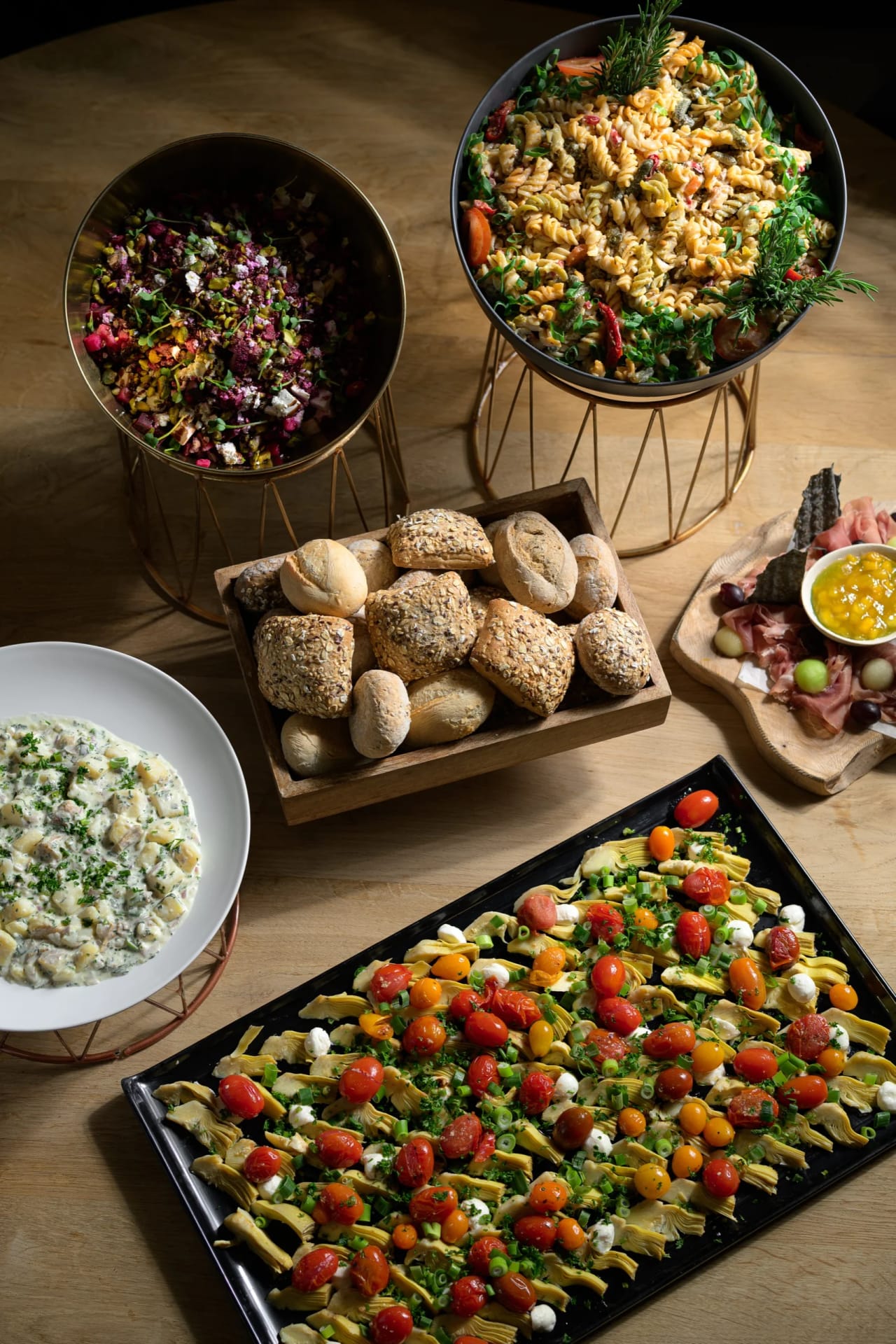
First, a per-guest price only compares the menu. One supplier may include service staff, tableware and transport, while another lists them separately in the small print. The second quote may look cheaper on paper, but it will not be cheaper on the invoice.
Second, when you use separate suppliers, each one excludes anything outside their own remit. The caterer does not arrange power, the hire company does not handle set-up, and the venue does not provide service staff. You pay for the gaps between those quotes later, either as additional work or as a last-minute fix. This article explains how to compare individual suppliers and full-service providers fairly: comparing catering in Brabant by per-guest price, including staffing and transport.
There is a third, less obvious reason. For consumers, the total price, including all unavoidable costs, must be shown upfront. The ACM uses this as a guiding principle, and according to the Tweede Kamer, these price transparency rules have applied since 2013. However, that protection is intended for consumers. As a business client, you cannot automatically rely on it. Anything you do not set out in the agreement can often be charged as additional work, provided the supplier’s terms allow it.
Finally, quotes often mix prices including and excluding VAT, or use “from” prices. That makes it easy to compare like with unlike without realising it.
How do you compare quotes based on the real final cost?
To manage hidden event costs, do not start with the quotes. Start with one fixed event brief. Write down your expected guest count, the event start and end times, the food and drinks you require, and what facilities the venue already provides. Send that same brief to every supplier. That way, everyone is pricing the same assumptions and the differences become clear.
Then ask for three things. First, an all-inclusive price for that scenario, with VAT split by rate. Second, an explicit list of what is not included. Finally, ask for the rates for additional work: the cost of an extra hour per staff member, an additional guest, or an extra hour of drinks service. Those three requests address every risk on the checklist because each unknown cost has a price before you sign.
| Item | What you want to see in the quote | Red flag |
|---|---|---|
| VAT | Amounts per line, with 9% and 21% shown separately | One total line marked “excluding VAT” |
| Staffing | Number of staff, hours and overtime rate | “Service staff charged after the event” |
| Drinks | Fixed package or agreed spending cap | Open bar with no cap or end time |
| Guest numbers | Deadline for final numbers and permitted reductions | No change policy stated |
| Hire equipment | Equipment list and breakage rates | “Equipment as required” |
| Transport and technical production | Mileage, set-up and dismantling time, power supply | “Logistics excluded” with no price |
| Permit | Who applies and who pays the application fee | No mention of permits |
For hidden event costs, one practical rule is worth remembering: the more entries from the right-hand column you find in a quote, the greater the possible gap between the quoted price and final invoice. A slightly higher quote with few open items is often the better choice for your budget holder because it is a figure you can genuinely commit to.
With a full-service proposal and one point of contact, most of the items in the table are already covered in a single document. That saves you from having to close the gaps between suppliers yourself. Even so, when managing hidden event costs, you still need to check the exclusions list.
How can you avoid additional costs during and after the event?
When managing hidden event costs, clear written agreements do half the job. The other half happens in the weeks before the event and on the night itself. That is when most extra charges arise, often with the best of intentions.

Put the guest-number deadline in your calendar straight away and send a reminder a week beforehand. Cancellations received after that date cost money. Record your assumptions in a clear brief as well. You can find a useful example in this article on creating a brief for your event partner.
On the night itself, overtime is the biggest financial risk. A director asks to keep the bar open for another hour, the staff agree, and you only spot the charge on the invoice. Agree in advance that only one person on site can approve additional work, and that every approval is recorded immediately with the time and number of staff involved.
After the event, check the invoice line by line against the quote and any signed additional-work forms. If something does not add up, raise it within the deadline set out in the terms and conditions. That deadline is often short.
Putting hidden event costs into practice:
- Send every supplier the same brief and ask for an all-inclusive price with VAT split by rate.
- Ask for additional-work rates in advance, per hour, per guest and per hour of drinks service.
- Appoint one person who is authorised to approve additional work on site.
- Check the invoice against the quote and additional-work forms before paying.
Frequently asked questions
Is VAT on catering for a corporate party 9% or 21%?
Both, depending on the item. Food and non-alcoholic drinks are subject to 9%, while alcohol, hire equipment and technical services generally carry 21%. Whether your business can reclaim that VAT depends on your circumstances, so check with your finance team.
What does post-event billing mean in a catering quote?
Post-event billing means the supplier calculates the cost after the event based on what was actually used, such as drinks or staffing hours. It is not necessarily unfair, but without an agreed rate or cap, you will not know the cost in advance. Always ask for a unit price and a maximum spend.
How much contingency should you set aside for unexpected event costs?
A contingency budget of roughly 5 to 10 percent of the total budget is a common rule of thumb. If you have many items charged after the event or a venue without permanent facilities, use the higher end of that range. With a tightly defined all-inclusive proposal, you can often allow less.
Can a supplier charge costs afterwards that were not in the quote?
Additional work can only be charged if it was agreed in advance or if the supplier’s terms and conditions allow it, for example because the event ran late or more guests attended. Read those terms before signing, not afterwards. Make sure any changes agreed on the night are recorded in writing, so you have something to refer back to later.
Who pays for an event permit, the venue or the organiser?
The organiser usually applies for the permit and pays the application fee. At an established event venue with a valid hospitality licence, a separate permit is often not required. Set out who is responsible for what in the quote, so this question does not surface two weeks before the event.
Lowest per-guest price or certainty over the final cost?
Anyone looking to control hidden event costs pays for them either upfront or later. Choose the quote that lets you commit to a final total internally, even if the per-guest price is slightly higher.

La Casserole brings together catering, styling, technical production, hire equipment and project management in one proposal, with one dedicated point of contact. A full-service proposal can prevent costs such as transport, set-up and service staff from falling between separate suppliers. Want to know what your event will really cost? Send your brief with guest numbers and timings, and request a quote for corporate catering in Brabant.
Looking to host a stylish event in Brabant? Let us handle it!
Sources
- Belastingdienst
- gemeente Boxtel — Boxtel
- gemeente Haarlem — Haarlem
- ACM — Acm
- Tweede Kamer — Tweedekamer
- Btw-tarief voedingsmiddelen — Belastingdienst
- Btw-tarieven: welke tarieven zijn er, en wanneer moet u ze toepassen? — Belastingdienst
- Toezichthouder wil duidelijker prijzen in de reisbranche — Autoriteit Consument & Markt