

La Casserole has seen it time and again with culinary team building events for groups of 10 to well over 100 people: the strongest results come when the team goal is clear first, and the format comes second. That could mean cooking together, tasting together, or following a culinary route. When companies split catering, facilitation, logistics, and venue management across multiple suppliers, things usually get messy. That is why having one point of contact tends to work better, especially with budgets that typically range from around €35 to €150 per person, depending on the format, venue, and included services.
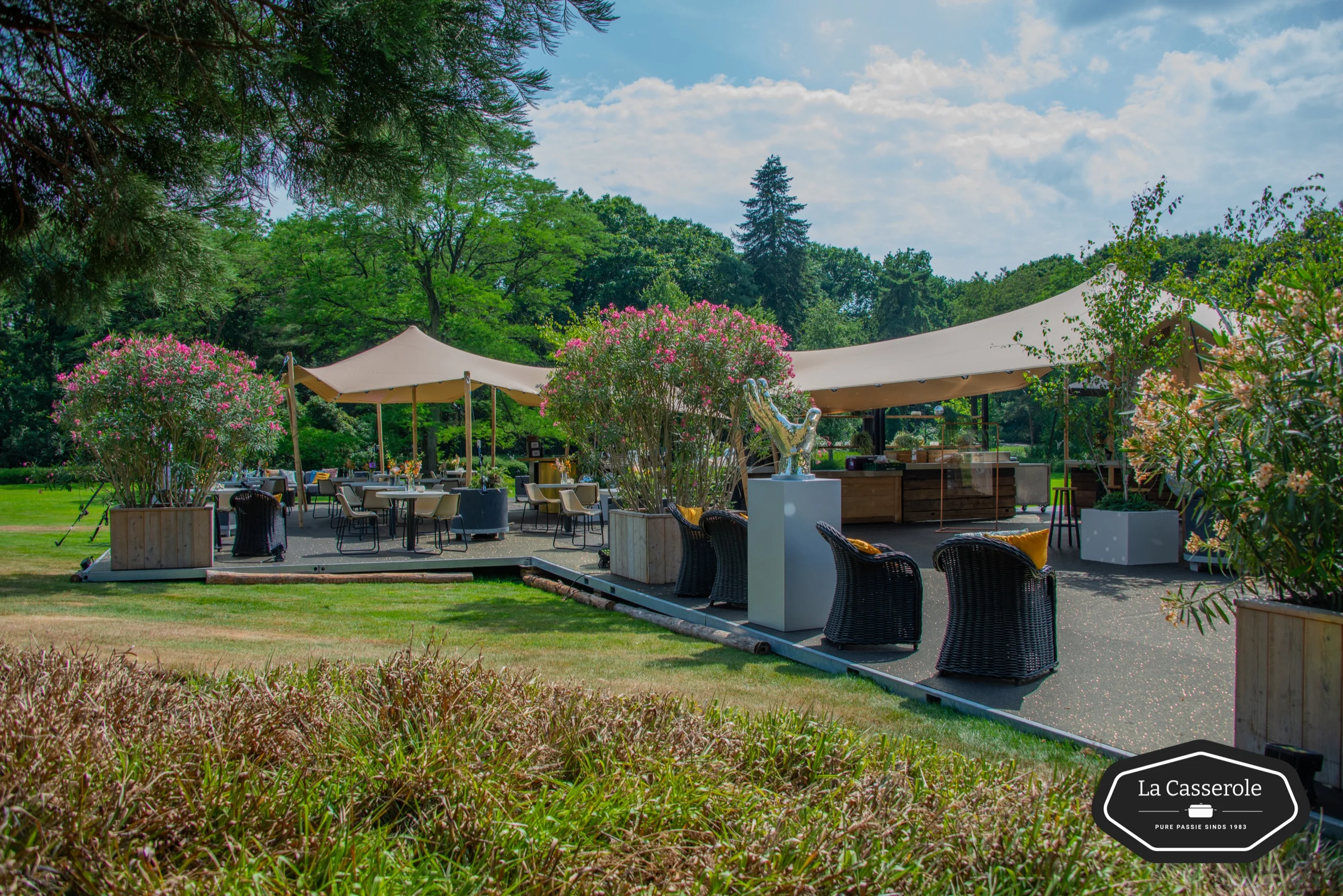
- Budget: expect to pay roughly €35 to €150 per person, depending on the format, venue, and included services.
- Let the goal lead the format: a newly formed team benefits more from hands-on cooking, while a reward day is often better suited to a dinner show.
- Group size shapes the setup: for groups over 30, a walking dinner or food truck layout is usually more practical than one shared cooking station.
- Brabant offers standout combinations: pairing cooking with a walk through heritage-rich areas like the Dommel Valley adds something memorable to the day.
- One point of contact saves a lot of admin: La Casserole brings catering, styling, technical support, and facilitation together in one event plan.
Introduction
La Casserole often sees the same issue when HR teams and office managers book a team day: they start by looking for a fun activity, and only later ask what the team is actually supposed to get out of it. The result is usually a pleasant afternoon that has already faded by Monday morning. (Services)
A culinary team day can do much more than that. Cooking together and then sharing the meal naturally pushes people to communicate, divide tasks, and step outside their usual roles. But that only happens if the day is set up well. A cooking workshop where everyone is secretly checking their phone delivers about as much value as a meeting with pastries.
This guide shows you how to plan culinary team building in Brabant in a practical way, from setting the goal to choosing the right format, locking in the venue, and making sure the day runs smoothly without you having to manage every detail yourself. You’ll find realistic cost ranges, a comparison of the three most popular formats, and the mistakes worth avoiding. The approach La Casserole uses for corporate events starts with that exact order: goal first, format second.
Why does cooking together work better than a standard team outing?
Culinary team building works because cooking creates a natural deadline and a shared result that you simply do not get from a climbing wall or escape room. The food has to be ready on time, everyone has a role to play, and at the end you sit down together to enjoy what you made.
What happens around the kitchen table
According to Monsterevents, culinary team building combines cooking and dining with team development, creating natural moments for collaboration and communication. That distinction matters. In a typical team outing, interaction is often optional. In cooking, interaction is the task.
Think of a newly merged marketing team of twelve people, where half the group barely knows the other half. At drinks, the old colleagues stick together and the new ones do the same. In a cooking workshop with four stations, people have to mix, otherwise the starter never gets finished. In practice, organizers find that this kind of built-in interdependence lowers barriers fast.
Why the meal itself matters
The second part, sitting down to eat together, is where a lot of the value really sticks. People who have just worked side by side under a bit of pressure tend to open up more easily afterward. That is no coincidence. Shared effort followed by shared reward creates a stronger bond than either one on its own.
The real return is not in the afternoon itself, but in the weeks that follow: people find it easier to approach each other and align more quickly. It is hard to measure precisely, but HR managers often report noticeably smoother informal communication afterward.
Checklist: is culinary team building the right fit for your goal?
- Want people to get to know each other better? Choose hands-on cooking over a dinner show.
- Planning a reward after a busy quarter? Focus on enjoyment rather than effort, so a fully hosted dinner makes more sense.
- Have more than two subteams that barely work together? Mix people across cooking stations instead of assigning one team per station.
- Unsure whether the impact will last? Schedule one concrete follow-up moment at the office within two weeks.
Which format suits your team: cooking workshop, dinner show, or culinary walk?
The best format depends on three things: your goal, your group size, and how much interaction you want. In most cases, there are three main options, each with its own strengths.
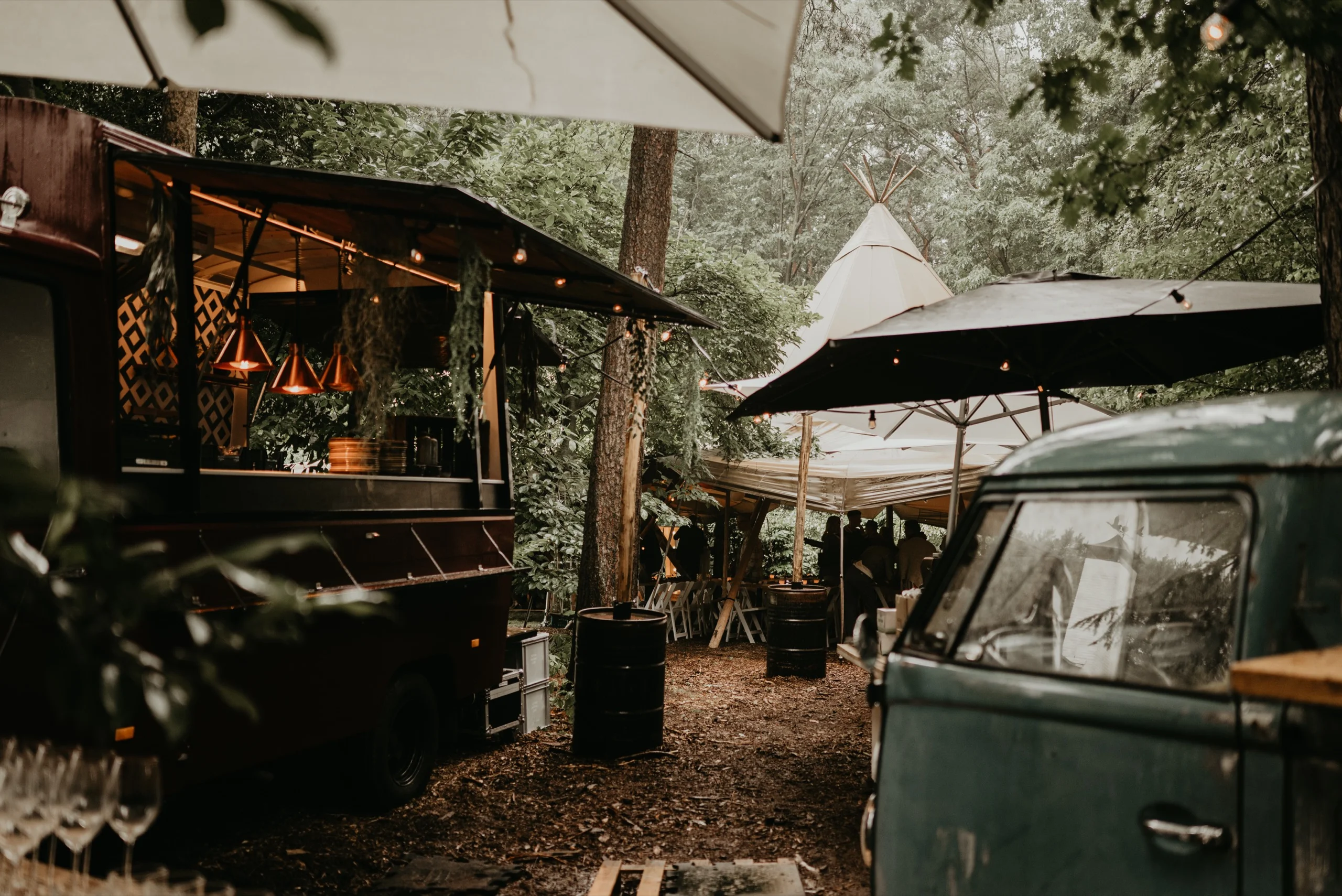
Hands-on cooking workshop for maximum interaction
In a cooking workshop, the team gets into the kitchen, usually split across stations and guided by a chef. This is the most interactive option and the best fit for teams that genuinely need to connect. It usually works best for groups of 8 to 30 people. Beyond that, the facilitation becomes harder and the interaction per person drops off.
A corporate cooking workshop in Brabant works especially well when the group is working toward one shared result, such as a full three-course menu that everyone then enjoys together.
Dinner show with a chef for a reward-focused event
When is a dinner show a better choice than a walking dinner? When enjoyment matters more than participation. A dinner show with a chef cooking in front of the group combines high-quality hospitality with a theatrical element. It is a great fit for anniversaries, year-end celebrations, or a reward after an intense period. Interaction is lower, but the overall experience is stronger.
For teams that would rather taste than cook, a walking dinner or seated dinner as an event format offers a more relaxed alternative with more room for conversation.
Culinary walk: good food with fresh Brabant air
The third format makes the most of something Brabant does particularly well. North Brabant has an extensive walking junction network, and Brabant Partners manages the province’s route structures, including themed walking routes. That makes it easy to build a team day around a walk, with a culinary element along the way or afterward.
Not far from Sint-Oedenrode, the castle garden of Henkenshage, with its centuries-old oaks and public parkland along the Dommel, is described by De Kienehoef as a natural starting point for walkers, with clearly marked junction routes through the Dommel Valley. An active morning outdoors followed by cooking together works especially well for teams that usually spend the whole day inside.
| Format | Interaction | Group size | Price indication p.p. | Best for |
|---|---|---|---|---|
| Cooking workshop | High | 8 to 30 | €55 to €110 | New teams, team introductions |
| Dinner show with chef | Low to medium | 15 to 150 | €75 to €150 | Anniversaries, reward events |
| Culinary walk plus dinner | Medium | 10 to 60 | €45 to €120 | Energy, outdoor-minded teams |
Checklist: choose your format in three questions
- Fewer than 30 people and the goal is connection? Choose a cooking workshop.
- More than 30 people or the event is mainly a reward? Go for a dinner show or walking dinner.
- Does your team usually spend all day indoors? Add a walk before the culinary part.
Step by step: how to organize a culinary team day without the stress
A successful culinary team day comes together in six steps, from goal to delivery. The order matters. If you book the venue first and think about the goal later, you are likely to back yourself into the wrong setup.
Step 1: define the team goal
Sum up in one sentence what the day needs to achieve: helping people get to know each other, showing appreciation, or easing friction between departments. That single goal should shape every decision that follows. A reward day needs a different setup from an event designed to reconnect two teams that have been clashing.
Step 2: choose the format that fits the goal
Use the comparison above. A cooking workshop for interaction, a dinner show for experience, or a walk plus dinner for energy. Decide this before you start calling venues, otherwise the space may end up dictating the wrong format.
Step 3: choose a venue that can handle the format
A cooking workshop needs a professional or mobile kitchen. A dinner show needs enough space plus the right technical setup. When choosing the right event venue in Eindhoven or the surrounding area, pay attention to accessibility, parking, and whether the kitchen facilities match your group size.
Step 4: tailor the menu to the team
Collect allergies and dietary requirements in advance, not on the day itself. A menu built around an Italian, Mediterranean, or Burgundian theme gives the day more cohesion. La Casserole puts menus together that support both the cooking activity and any dietary needs, so nobody is left improvising at the table.
Step 5: put logistics and technical support into one event plan
Power, water, extraction, sound, furniture: a culinary event needs more than a standard meeting room. La Casserole combines catering, styling, technical support, furniture, and project management in one event plan, which means one contact person instead of five separate suppliers for you to chase.
Step 6: schedule a concrete follow-up
This is the step most organizers skip. Agree in advance on one follow-up moment within two weeks, whether that is a quick team reflection or a practical next step. Without that anchor, most of the benefit fades quickly.
Checklist: before you confirm the booking
- Is the goal written down in one sentence, and does everyone involved know it?
- Does the chosen format fit the group size in the table above?
- Have allergies and dietary requirements been collected in writing?
- Is one party responsible for the full event plan?
What does culinary team building cost, and how do you keep the budget under control?
For culinary team building, expect to pay around €35 to €150 per person, depending on the format, the venue, and what is included. It is a wide range, and the difference comes down to specific choices.
What drives the price per person
According to Monsterevents, costs range from about €35 to €150 per person. At the lower end, you are looking at a simple cooking workshop without many extras. At the higher end, think dinner show with chef, drinks, and a standout venue. The three biggest cost drivers are the culinary level, the amount of facilitation needed, such as how many chefs are supporting the group, and the venue or technical setup.
Take an HR manager at a professional services company planning a cooking workshop for 40 employees. At €70 per person, the total comes to around €2.800, excluding any venue hire. Upgrade that same group to a dinner show with drinks, and you are quickly looking at €100 to €130 per person.
Where it makes sense to save, and where it does not
Cutting back on the number of chefs is a false economy. If there is too little guidance during a cooking workshop, half the team ends up standing around waiting. Smarter ways to save include simplifying the drinks package or planning the event on a weekday. La Casserole works with a fixed partner network for entertainment, food trucks, and technical support, which often makes pricing sharper than booking everything separately.
The hidden cost is your own time. If you build a team day yourself from separate pieces, it can easily take days of coordination. Working with one party that handles everything can save a significant number of internal hours.
Checklist: keep your budget on track
- Ask for a per-person quote that includes facilitation and technical support, not just the food.
- Under €40 p.p.? Expect a basic workshop without extras, not a dinner show.
- Include your own coordination time when comparing separate suppliers with one full-service partner.
- Plan on a weekday if you want a lower venue price.
Common mistakes in a culinary team day, and how to avoid them
The biggest mistake is choosing the format before the goal is clear. But there are several others that can derail an otherwise strong event.
Mistake 1: trying to fit too many people into one activity
A cooking workshop with 50 people across four stations means most of the group will spend their time watching. Once you go beyond 30 people, split the event into parallel activities or choose a format that scales better, such as a walking dinner with cooking demonstrations. Always match the format to the group size in the comparison table.
Mistake 2: dealing with dietary requirements on the day
Nothing slows down a culinary event faster than discovering someone cannot eat half the menu because their allergy was never shared. Collect dietary requirements in writing when the invitation goes out. Legal allergen information should be in order anyway, and a professional caterer will normally have this covered as standard.
Mistake 3: underestimating logistics
An outdoor venue or garden setup sounds great until the power fails or the weather turns. The same risks apply to outdoor catering where power and weather need proper planning: underestimate it, and you may end up with a cold kitchen. Put the technical side in the hands of a party that has done outdoor events before.
Mistake 4: no follow-up back at the office
The day was fun, then nothing happens. Without a follow-up moment, most of the value disappears. Set one concrete checkpoint within two weeks, even if it is small.
Checklist: final check before the day itself
- Is the group size within what the chosen format can realistically handle?
- Are all dietary requirements confirmed three days in advance?
- Is there a weather and power backup plan for any outdoor element?
- Is the follow-up already in the calendar?
Frequently asked questions
What exactly is culinary team building?
Culinary team building is a corporate activity where a team cooks together, tastes together, or follows a food-based route to strengthen collaboration and communication. It combines a shared task with a shared reward at the table. In most cases, you choose between a hands-on cooking workshop, a dinner show, or a culinary walk, depending on your goal.
How much does culinary team building cost per person?
The price usually falls between about €35 and €150 per person, depending on the format, venue, and included services. A simple cooking workshop sits at the lower end, while a dinner show with chef and drinks sits at the higher end. Always ask for a per-person quote that includes facilitation and technical support, not just the food. (Services)
How many people can join a cooking workshop?
For a cooking workshop, a group of 8 to 30 people usually works best, because above that point both the guidance and the amount of interaction per person start to drop. For larger groups, a walking dinner with cooking demonstrations is usually a better fit, or you can split the group into parallel activities. The format should always match the group size.
Can you combine a team day with walking in Brabant?
Yes. North Brabant has an extensive walking junction network, managed by Brabant Partners on behalf of the province, which makes it easy to combine nature and heritage routes with a culinary element. An active morning outdoors followed by cooking together works especially well for teams that usually spend the whole day inside.
Why do companies choose one event partner instead of separate suppliers?
One event partner brings catering, facilitation, technical support, and logistics together in one event plan, so you do not have to coordinate five different parties yourself. La Casserole works this way with more than 40 years of experience and a fixed partner network, which can significantly reduce internal coordination time and lower the risk of things slipping through the cracks.
Conclusion
A culinary team day only really lands when the order is right: goal first, then format, then venue and execution. If you start by searching for a fun activity, you often end up with a pleasant but forgettable afternoon. Choose a cooking workshop for team introductions, a dinner show for experience, or a walk plus dinner for teams that want to get outside, and always match that format to the size of the group.
Expect to pay €35 to €150 per person, collect dietary requirements in advance, and schedule one concrete follow-up back at the office. The hardest part is usually the coordination. The full-service approach of La Casserole, where catering, styling, technical support, and facilitation come together in one event plan, takes that work off your plate so you can focus on your team instead of your suppliers on the day itself.
Looking to host a stylish event in Brabant? Let us handle it!
Sources
- Monsterevents
- Brabant Partners — Brabantpartners
- De Kienehoef — Kienehoef
- Wat zijn culinaire teambuilding mogelijkheden? — Monsterevents
- Voor gemeenten — Brabant Partners
- Ontdek Sint-Oedenrode — De Kienehoef
- Kasteel Henkenshage — Rijksdienst voor het Cultureel Erfgoed