

Quick summary
Full-service catering means one partner handles the entire event operation: from menu planning and service to setup, styling, technical support, and breakdown. For corporate events, that significantly reduces planning time and lowers the risk of coordination issues.
- La Casserole offers this all-in event solution from Best, backed by 40+ years of experience and more than 1,000 events delivered
- Caterers who prepare food at events are legally required to work under an HACCP plan or an approved food hygiene code (RIVM, revised 2023)
- According to CBS-data from 2024, the number of event catering companies in the Netherlands grew more than sixfold between 2007 and 2024 to around 27,000, making the selection process more complicated
- For BBQ catering at your location for a corporate event, there’s far more involved than a grill and a few cuts of meat: think allergen tracking, logistics, permits, and event styling
- Working with one dedicated partner reduces the risk of miscommunication between separate suppliers, something La Casserole consistently sees on larger-scale events
Why multiple vendors drive up the cost of corporate event planning
Picture this: an HR manager at a manufacturing company with around 200 employees is organizing a summer staff event with BBQ catering at the office, set up on company grounds. She books a caterer, a rental company for tents and furniture, a DJ, and a separate AV supplier for lighting and sound. Before long, it turns out the caterer isn’t bringing a generator, the rental company isn’t handling setup, and the DJ assumed power would already be available. (Services)
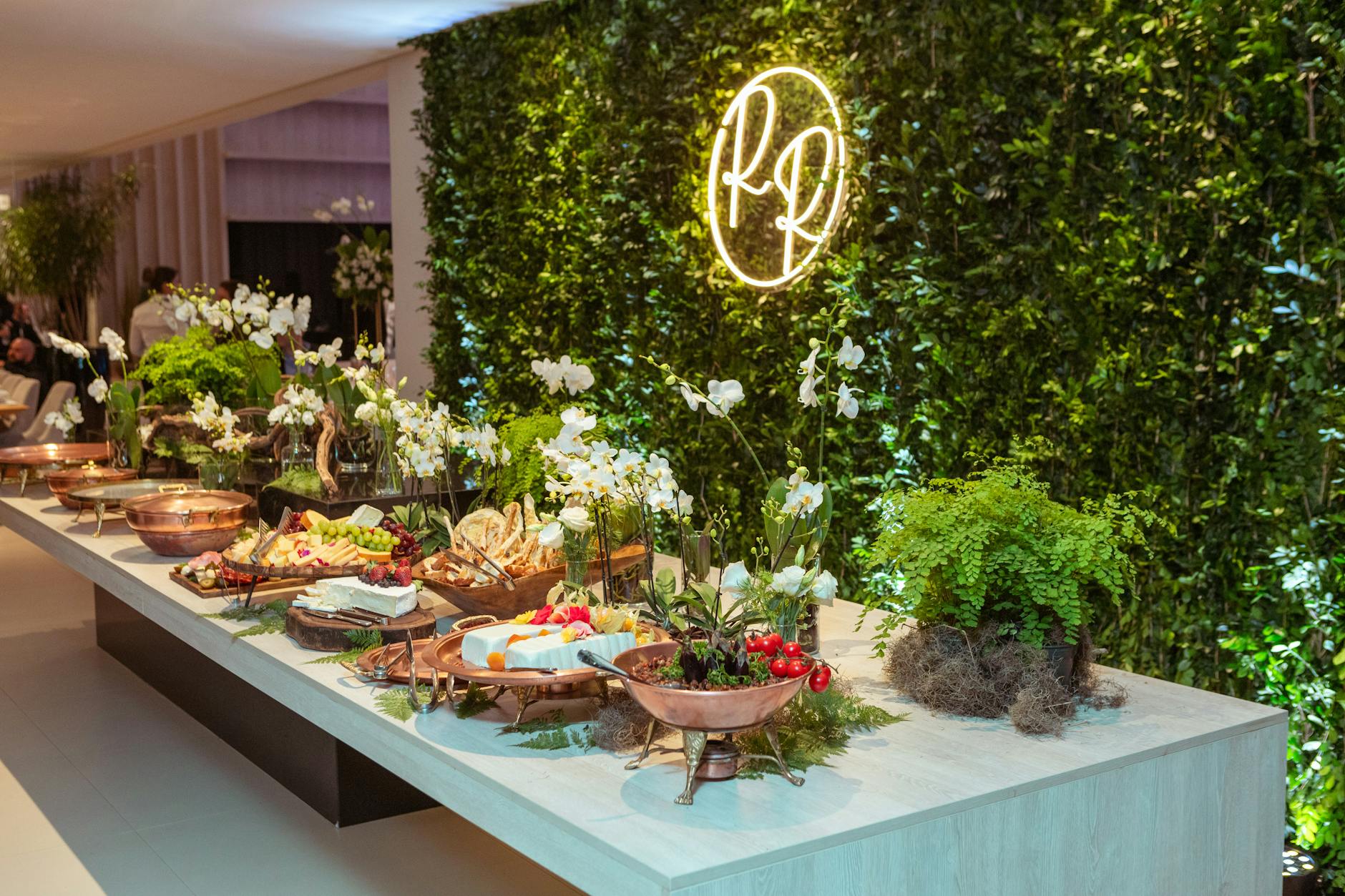
If you’ve ever planned a business event using separate vendors, this probably sounds familiar. The issue usually isn’t the quality of the individual suppliers. It’s the gap between them. Who owns the full picture? In most cases, no one does.
The hidden time cost of fragmented event planning
In practice, an office manager or marketing manager organizing a company party or corporate gathering often spends a large chunk of the prep phase just aligning details: who delivers what, at what time, and who gets the call if something goes wrong. On larger events with 100+ guests, that can easily mean dozens of hours of emails and calls before the event even begins.
La Casserole sees this again and again with clients using a full-service event solution for the first time: the sense of relief after the first briefing, when it becomes clear that one contact person is taking full ownership, from concept through breakdown.
Why a single point of contact makes such a difference
With full-service catering, the client works with one central point of contact who coordinates everything behind the scenes. La Casserole combines catering, styling, furniture, tents, technical production, and a partner network for entertainment and food trucks in one integrated offer. That means the organizing manager can actually be present on the day as a host, instead of spending the event putting out fires.
What to do next:
- Count how many separate vendors you typically use for a standard corporate event
- Estimate how many emails and phone calls you need per vendor to keep everything aligned
- If you’re dealing with more than five vendors and more than five touchpoints per vendor, a full-service approach is usually more cost-effective
- When speaking to a potential full-service partner, ask directly: who is the main point of contact on the event day itself?
What’s actually included in full-service event catering?
Full-service event catering is a broad term, and in practice it varies widely from one provider to another. At the basic level, it covers food and service staff. A more complete version, like the model La Casserole works with, also includes venue management, styling, technical support, rentals, and project coordination.
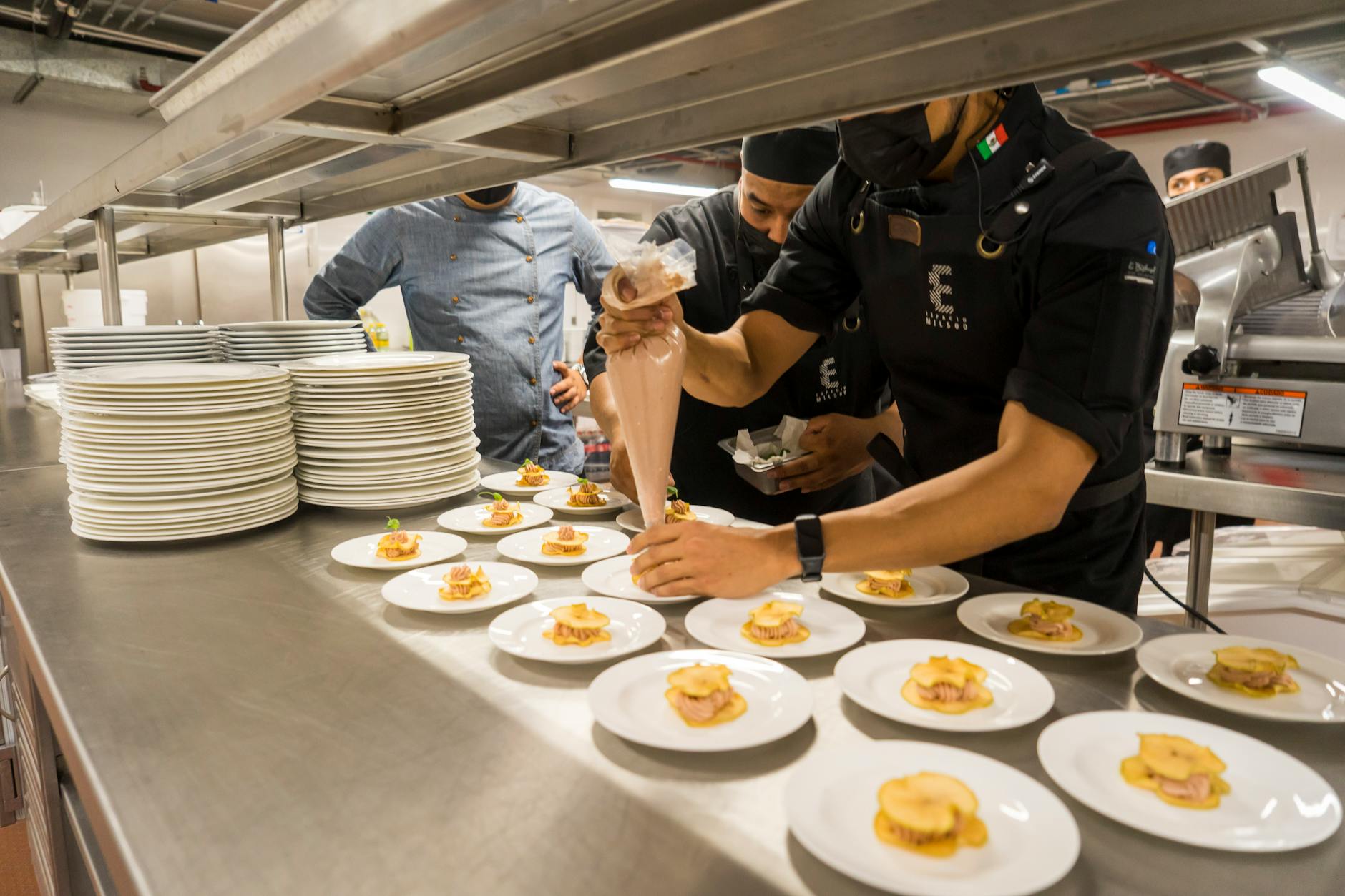
That distinction matters for corporate clients, because many caterers market themselves as full-service when they actually only handle the food. Everything else still has to be arranged separately.
The difference between catering and a complete event concept
At a typical company party or summer BBQ catering event at your location, there are multiple moving parts: the venue or site, the tent or shelter, the furniture, the lighting, the sound, the menu, the service team, and the styling. A caterer who only handles the food is delivering one piece of the puzzle. A full-service event partner takes care of every layer, including the logistics that connect them.
At La Casserole, that means a corporate summer event includes more than a custom menu. Clients also get a tent suited to the guest count, furniture that matches the format — whether that’s a walking dinner, seated dinner, or hybrid setup — lighting and sound tailored to the atmosphere, and entertainment through the partner network if needed.
Food safety regulations: an overlooked risk
One issue many event organizers underestimate is the legal side of food safety. Any caterer preparing food at an event is required to work under an approved hygiene code or its own HACCP plan, according to the RIVM Hygiene Guidelines for Events, which were fully revised in 2023.
In addition, caterers serving unpackaged food are legally required to inform consumers about the presence of 14 mandatory allergens, according to the NVWA. Based on NVWA inspections at more than 5,000 businesses in 2021, Horeca Stichting Nederland reported that a large majority of inspected companies failed to comply with allergen regulations. A total of 591 fines were issued.
That matters for corporate clients because if the caterer is not compliant, the reputational damage lands with the event organizer. A professional full-service partner like La Casserole builds compliance into the standard workflow.
What to do next:
- Ask your current or prospective caterer which HACCP plan or hygiene code they operate under
- Check whether allergen information is provided as standard with the menu, not only on request
- Confirm that the caterer is familiar with the RIVM event guidelines revised in 2023
- If the answers are vague, treat that as a warning sign
Comparison: separate vendors vs. a full-service event partner
| Criteria | Separate vendors | Full-service partner (La Casserole) |
|---|---|---|
| Number of contacts | Typically 4–8 vendors | 1 central point of contact |
| Client coordination time | Often 20–40 hours per event | Usually under 5 hours |
| Food safety (HACCP) | Must be checked per caterer | Built into the workflow |
| Allergen tracking | Varies by caterer | Standard part of menu planning |
| Styling and event design | Requires another supplier | Included in the total package |
| Venue options in Brabant | Must be arranged separately | Kasteel Henkenshage, Het Ketelhuis |
| Day-of-event risk | Higher due to miscommunication | Lower thanks to clear central control |
| Scale of experience | Varies by supplier | 1,000+ events delivered |
What does a full-service corporate event look like in practice?
Take a typical example: a marketing manager at a mid-sized technology company is planning a client event for 80 guests, outdoors on company premises, with a BBQ as the culinary centerpiece. The goal is relationship-building, so the atmosphere needs to feel relaxed but polished.
The briefing stage: concept before execution
With a full-service approach, the process doesn’t start with a menu. It starts with the purpose of the event. Is the goal team building, client retention, or a product launch? What format fits best: a walking dinner where guests circulate, or a seated BBQ where conversation and shared tables are the focus? At La Casserole, a dedicated project manager translates the event objective into a practical execution plan.
This is exactly where BBQ catering at your location becomes much more than food on a grill. Will there be a stretch tent or covered area? Are vegetarian options included, and are allergens clearly documented? Is there a staffed bar? What happens if the weather turns? These questions are resolved during the briefing stage, not on the day itself.
Event day execution: one plan, no surprises
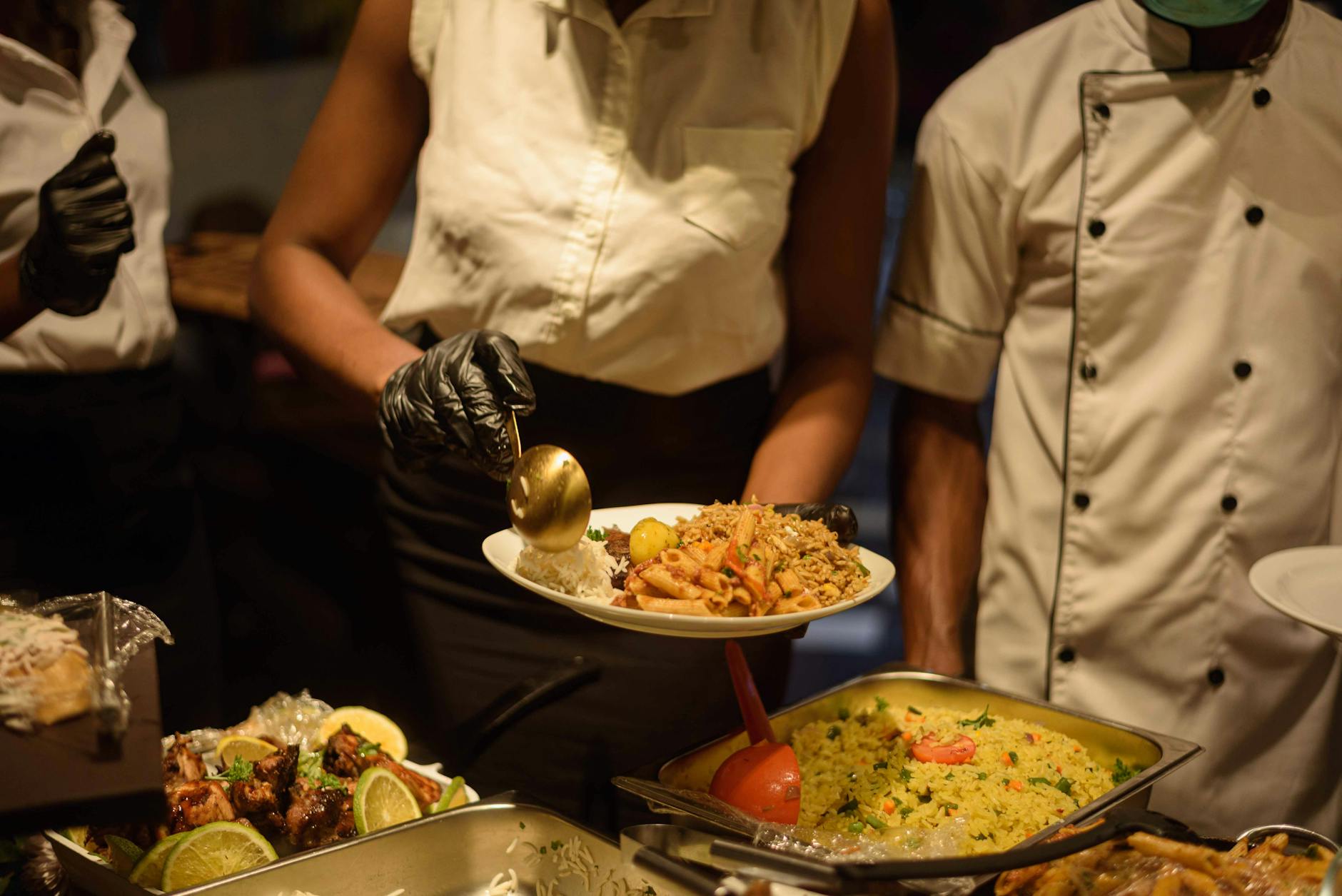
On the event day, La Casserole’s project manager coordinates setup and breakdown, the kitchen team, service staff, and any external partners. The client receives a confirmed timeline that morning and from that point on has no operational responsibilities. That’s what true peace of mind looks like.
For a marketing manager or HR manager running this event alongside a full-time job, the difference is obvious. Instead of managing logistics, they get to focus on the guests.
What to do next:
- Ask in the first briefing: who is the operational lead on the day itself?
- Request a full timeline that includes setup and breakdown, not just the guest-facing program
- Check whether the bad-weather scenario has already been thought through
- Ask for references from corporate events of a similar size and format
When does it make sense to choose an external event venue in Brabant?
Not every company has a suitable outdoor area or a professional-looking indoor space. In that case, an external venue offers immediate value: guests are taken out of their everyday work environment, which usually improves both the atmosphere and the quality of interaction.
In-house venues as a strategic advantage
La Casserole manages two of its own venues in Brabant: Kasteel Henkenshage in Sint-Oedenrode and Het Ketelhuis in Eindhoven. Both are available for corporate events, from product launches and conferences to client days and staff parties. The advantage of working with a venue owned by the caterer is simple: there’s no need to coordinate between a venue owner and an event partner, because they’re the same party.
For anyone who wants to explore Kasteel Henkenshage as a setting for a business or private event, this guide with tips for a successful event at Kasteel Henkenshage offers practical ideas.
Matching the venue to the event objective
A conference for 150 attendees needs a very different setting from an intimate client dinner for 20 guests. La Casserole aligns venue selection with the event format and the intended outcome. That prevents the classic mismatch where the location works technically, but the atmosphere doesn’t suit the brand or the audience.
For companies in Brabant, the proximity of venues in Best, Sint-Oedenrode, and Eindhoven is also a practical advantage: shorter travel times for guests, simpler logistics, and usually faster response times during the planning phase.
What to do next:
- First determine your maximum guest count and preferred format: standing, seated, or hybrid
- Ask whether the venue has its own kitchen or catering facilities, since that affects the logistics
- Check whether the venue has experience with corporate events in your group size
- Ask about availability for your preferred season, because popular dates are often booked months in advance
What does full-service catering cost for a corporate event?
Price is one of the most common questions, but it’s also hard to answer in isolation. The total cost of a corporate event with full-service catering depends on the guest count, the format, the venue, the menu, and the level of styling and technical support required.

Cost transparency matters
One of the most common mistakes when comparing quotes is looking only at the catering price per person and ignoring everything else. A caterer offering food only at €35 per person may seem cheaper than a full-service package at €75 per person. But if you still need to book rentals, styling, sound, and project management separately, the final total is often higher than the full-service option.
For a more detailed breakdown of how location catering costs are structured across different event types, including weddings and corporate functions, this guide to catering costs at your venue offers useful benchmarks.
Scale changes the economics
For larger groups — typically from 75 to 100 guests and up — the financial advantage of full-service catering becomes much clearer. Fixed costs such as project management, setup, breakdown, and technical production are spread across more guests, bringing the cost per head down. For smaller, more intimate events, such as a leadership dinner or a client evening for 20 guests, the value of full-service is usually less about direct savings and more about quality control and peace of mind.
What to do next:
- Always request an all-in quote, including setup, breakdown, equipment costs, and project coordination
- Calculate the real cost per guest by adding all separate quotes together and dividing by the total number of guests
- Compare that figure with the all-in per-person rate from a full-service partner
- If the difference is less than €15 per guest, full-service is almost always the smarter option once you factor in time savings and lower risk
Frequently asked questions
What exactly is full-service catering, and how is it different from regular catering?
Full-service catering goes beyond simply providing food and drinks. It also covers service staff, setup, breakdown, styling, and in the most complete version, technical production, furniture, and project management. Standard catering usually focuses only on the food. For the client, the difference is straightforward: with full-service, you have one point of contact managing the entire event; with regular catering, you’re still coordinating all the other moving parts yourself.
How does La Casserole handle BBQ catering at your location for corporate events?
La Casserole provides BBQ catering at your location and at off-site venues as part of a complete event concept, not as a standalone delivery service. That means the quote can include not only the menu, but also styling, cover, furniture, service staff, and allergen information. For corporate clients planning a staff party or client event on company grounds, the practical benefit is simple: the manager gets to enjoy the day instead of managing it.
What legal requirements apply to event catering in the Netherlands?
Food safety is regulated through the HACCP requirement and the RIVM Hygiene Guidelines for Events, which were fully revised in 2023. In addition, caterers serving unpackaged food must provide information about 14 allergens, as required by the NVWA. NVWA inspections at more than 5,000 businesses in 2021 found that a large majority did not comply with allergen regulations, resulting in hundreds of fines. For corporate clients, it’s wise to actively ask any caterer for HACCP documentation and allergen procedures.
How far in advance should you book a full-service event partner?
Availability is often the limiting factor for popular spring and summer dates. With La Casserole and similar full-service providers, it’s common to book larger events — over 75 guests — at least three to six months in advance, especially if you want a specific venue. Smaller events can sometimes be arranged on a shorter timeline, but the same principle applies: the earlier the briefing starts, the more room there is for customization in both menu and styling.
Is full-service event catering suitable for smaller business gatherings too?
Smaller events benefit from full-service catering in a different way than large ones do. For an intimate leadership dinner or a client breakfast for 15 guests, the value isn’t really in economies of scale. It’s in consistency, presentation, and quality control. A professionally styled table, a menu tailored to dietary requirements and allergies, and a chef cooking on site can work especially well for smaller groups. La Casserole also offers a fully managed concept for small-scale private dining in Brabant.
Conclusion
Full-service catering for corporate events isn’t a luxury reserved for large budgets. It’s a practical choice for anyone who wants to organize an event without taking on the coordination burden themselves. The difference between managing separate vendors and working with one integrated partner is noticeable in the planning process, on the day itself, and in the experience your guests ultimately have.
La Casserole combines more than 40 years of event experience with a fully integrated service offering, from BBQ catering at your location to conferences at distinctive venues across Brabant. The approach stays the same throughout: one briefing, one quote, one point of contact, and one person accountable on the event day.
If you’re planning a business event and want to understand what a complete event solution would look like for your specific situation, you can use La Casserole’s full range of services as a useful starting point for your first quote request.
Looking to host a stylish event in Brabant? Let us handle it!
Sources
- CBS-data uit 2024 — Cbs
- RIVM Hygiënerichtlijn voor Evenementen — Rivm
- NVWA — Nvwa
- Horeca Stichting Nederland — Hsn-horeca
- Meer restaurants en catering, minder cafés — Centraal Bureau voor de Statistiek (CBS)
- Hygiënerichtlijn voor evenementen — Rijksinstituut voor Volksgezondheid en Milieu (RIVM)
- Allergenen bij onverpakte levensmiddelen — Nederlandse Voedsel- en Warenautoriteit (NVWA)
- 591 boetes uitgedeeld vanwege niet vermelden allergenen — Horeca Stichting Nederland (HSN)