

The short answer
The easiest way to organize a business event in Brabant is to start by getting crystal clear on the goal, then choose the venue, event format, and catering to match. Just as importantly, put those moving parts in the hands of one central point of contact instead of juggling five separate suppliers. La Casserole handles this by bringing catering, styling, AV, furniture, and project management together under one event plan, which cuts down on miscommunication and avoids unnecessary double costs.
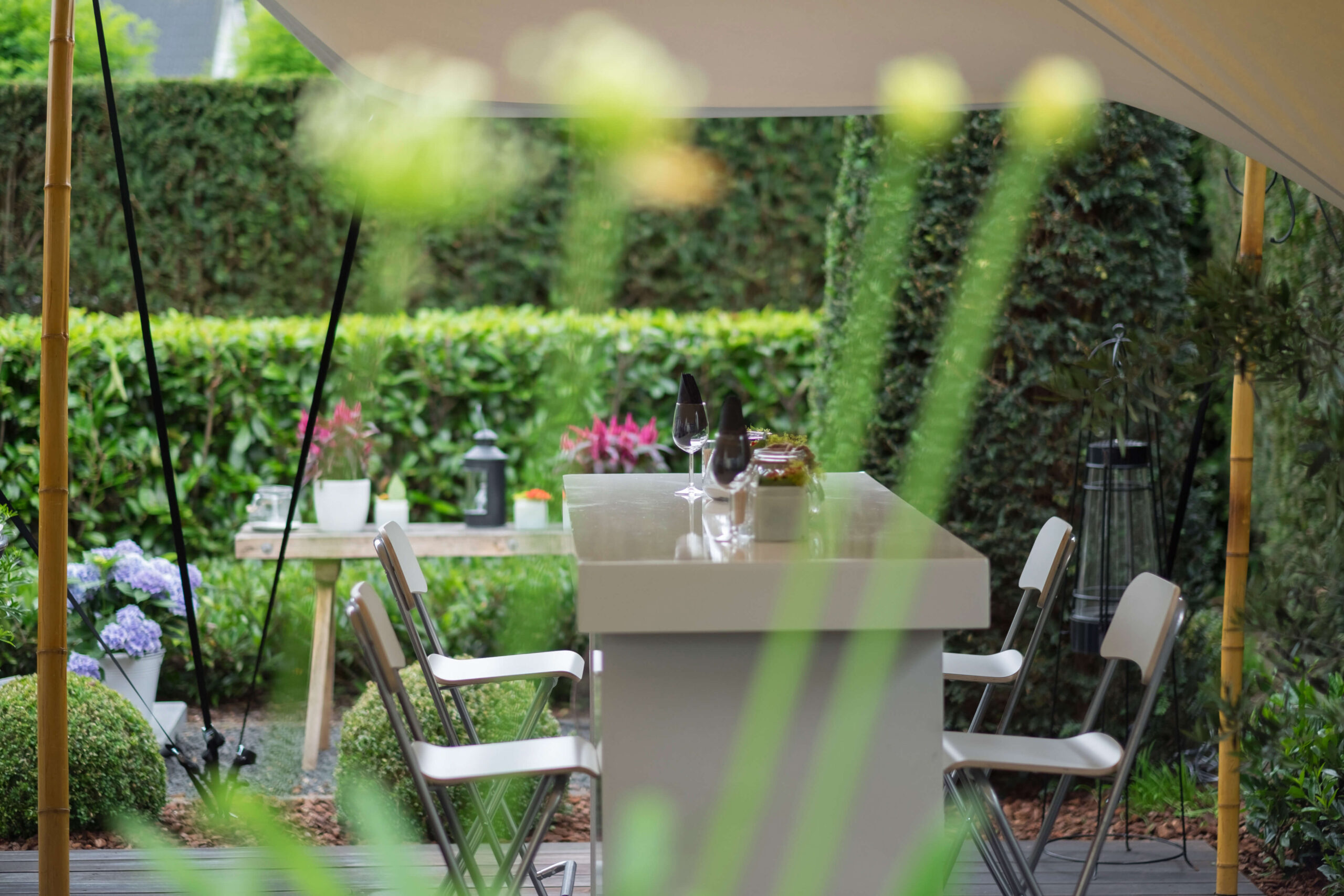
- Start with the objective: networking, knowledge sharing, team building, or brand experience should shape the format, not the other way around.
- Business events dominate the market: 80% of all events in the Netherlands are B2B or B2E, while only 13% are parties.
- Food safety is a legal requirement: every caterer must work according to HACCP, under the supervision of the NVWA.
- One partner means less coordination: fewer handovers means fewer alignment issues and a faster planning process.
- Brabant matters: the Dutch business events market represents around €9.1 billion annually.
Overview: why business events work differently from private parties (Services)
La Casserole often sees marketing and HR managers in Brabant run into the same issue: business events rarely fail because of a weak concept. They fall apart in the execution. Too many separate suppliers, no clear run sheet, and food safety only being discussed on the day itself. That is a very different setup from a birthday or wedding, where hospitality comes first and return is secondary.
For a corporate event, results do matter. A conference that generates no leads, a team day where no one really connects, or a product launch that gets no press coverage are all measurable misses. The format should serve the goal, and that goal is almost never just “having a nice meal together.”
The numbers behind the market
This is a major market. According to EventPlatform (research by Respons/Leisure Advies), the business events market in the Netherlands generates a total economic value of €9.1 billion each year, with more than 130 million visitors and participants spread across hundreds of thousands of trade shows, conferences, and corporate events.
And business events are far from a niche. Figures from Momice show that 80% of all organized events in the Netherlands fall into the business category (B2B and B2E), while only 13% are parties. In other words, if you organize events, you are mostly organizing work-related experiences.
Why Brabant has its own dynamic
The Eindhoven region has a distinctly business-focused profile. According to CBS Urban Data Center Eindhoven, the cluster of innovative and internationally oriented companies in the municipality of Eindhoven accounts for 66.6% of all jobs, well above the national average of 54.4%. That means more international guests, higher expectations around service, and often multilingual communication on the day itself.
What you can do now:
- Write down in one sentence what the event needs to deliver, such as leads, knowledge sharing, team connection, or visibility.
- Decide whether your audience is internal (employees) or external (clients and prospects), because that changes the tone of the event.
- Check whether international guests will attend. If yes, arrange bilingual printed materials and service staff.
- Test every planned part of the program against the goal. If it does not contribute, cut it.
What is full-service catering, and when is it the right choice?
Full-service catering means outsourcing the entire culinary side of the event, along with everything that supports it: kitchen logistics, service staff, furniture, styling, and often AV, all managed by one provider. The real difference compared with basic catering is not just the food, but the coordination.
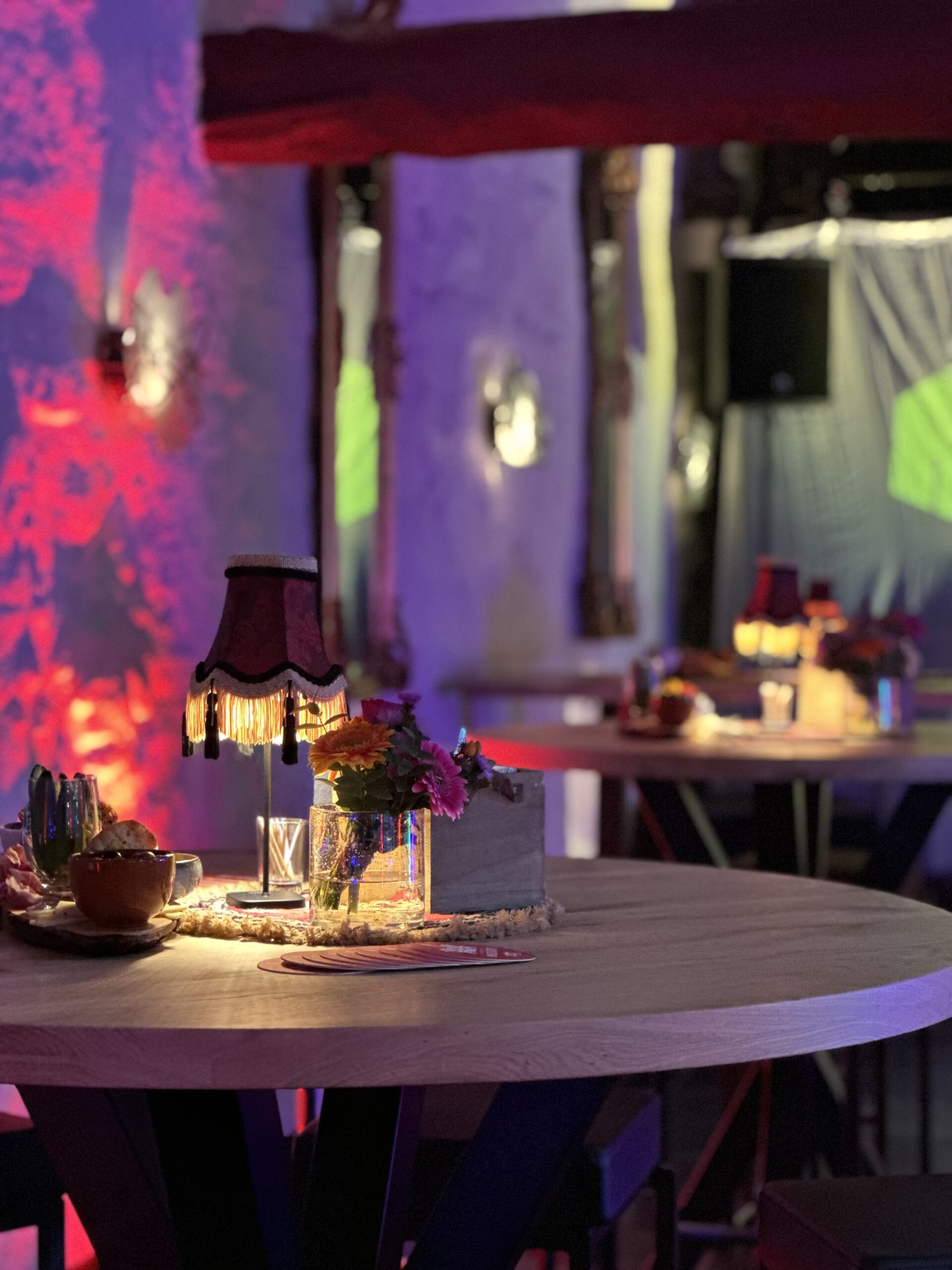
Most organizers underestimate how much coordination an event actually takes. Picture an office manager at a manufacturing company with 250 employees planning an anniversary event for 300 guests. With separate suppliers, she can easily end up dealing with six different contacts: caterer, rental company, tent supplier, sound technician, decorator, and waiting staff agency. Each has their own deadlines, invoice, and responsibilities.
What one point of contact actually gives you
The biggest gain is simplicity. Anyone who looks at the benefits of full-service catering for business events will usually find the same thing: less prep time and fewer gaps in the event plan. La Casserole works with one central run sheet where catering, styling, AV, and service all sit on the same timeline, so dinner is not ready while the sound engineer is still running cables.
This approach is backed by 40 years of experience and more than a thousand events. That does not make anything foolproof, but it does help when it comes to spotting the moments where events usually go wrong, such as the transition from program to dinner, the rush at the bar, or bad weather at an outdoor event.
When separate suppliers still make sense
Not every event needs full-service support. A small in-house drinks reception for 20 people with drinks bites and a company get-together can often be handled by one caterer in your own space. Full-service starts to pay off once you need more than three suppliers, or when you are using an external venue without its own kitchen.
What you can do now:
- Count how many suppliers you will need. Once you hit 3 or more, one partner is usually more efficient.
- Check whether the venue has its own kitchen. If not, include mobile kitchen equipment in your planning.
- Ask explicitly in every quote who is in charge on the day itself.
- Set a simple rule: one invoice and one point of contact per event, otherwise coordination time quickly grows.
Walking dinner, seated dinner, or dinner show: which format fits your goal?
The event format determines how many people talk to each other and how meaningful those conversations are. A walking dinner keeps guests moving and encourages mingling. A seated dinner creates space for deeper table conversations. A dinner show puts the experience and entertainment front and center.
This is not a matter of taste, but of purpose. If your goal is to help 80 prospects get to know each other, a standing format will work better than assigned seating.
Walking dinner for networking
For networking events, movement matters. A walking dinner genuinely changes the way business networking works because guests are not stuck next to the same person all evening. Think of a marketing manager at a software company inviting 120 business contacts to a client event. With a walking dinner, one guest will typically speak to four to six times as many people as they would at a fixed table.
Seated dinner and dinner show for connection
If your aim is stronger relationships or a celebratory highlight, the decision shifts. The difference between a walking dinner and a seated dinner comes down to pace of interaction versus depth of conversation. A dinner show with a chef at the table makes more sense than a walking dinner when the experience itself is the point, for example at a client appreciation evening or a farewell for a senior executive.
| Event format | Guests typically speak with | Best group size | Strongest fit for |
|---|---|---|---|
| Walking dinner | 8 to 15 people | 40 to 300 | Networking, mixing |
| Seated dinner | 6 to 8 people | 20 to 250 | Deeper conversation, connection |
| Dinner show | 6 to 8 people | 30 to 200 | Experience, appreciation |
| Drinks reception with bites | 10 to 20 people | 15 to 400 | Informal, short events |
What you can do now:
- If the goal is networking, choose a standing or roaming format and allow at least 1.5 hours.
- If the goal is knowledge sharing or team connection, choose a seated dinner with a fixed table plan.
- If the goal is experience or appreciation, consider a dinner show with a chef at the table.
- Allow 1.5 to 2 m² of floor space per standing guest and confirm this with the venue in advance.
How do you choose an event venue in Eindhoven or the surrounding area?
A strong event venue should fit your guest count, your objective, and your catering setup. That last part is often overlooked. A beautiful room with no kitchen or power supply can end up costing more than a simpler space that is actually built for events.
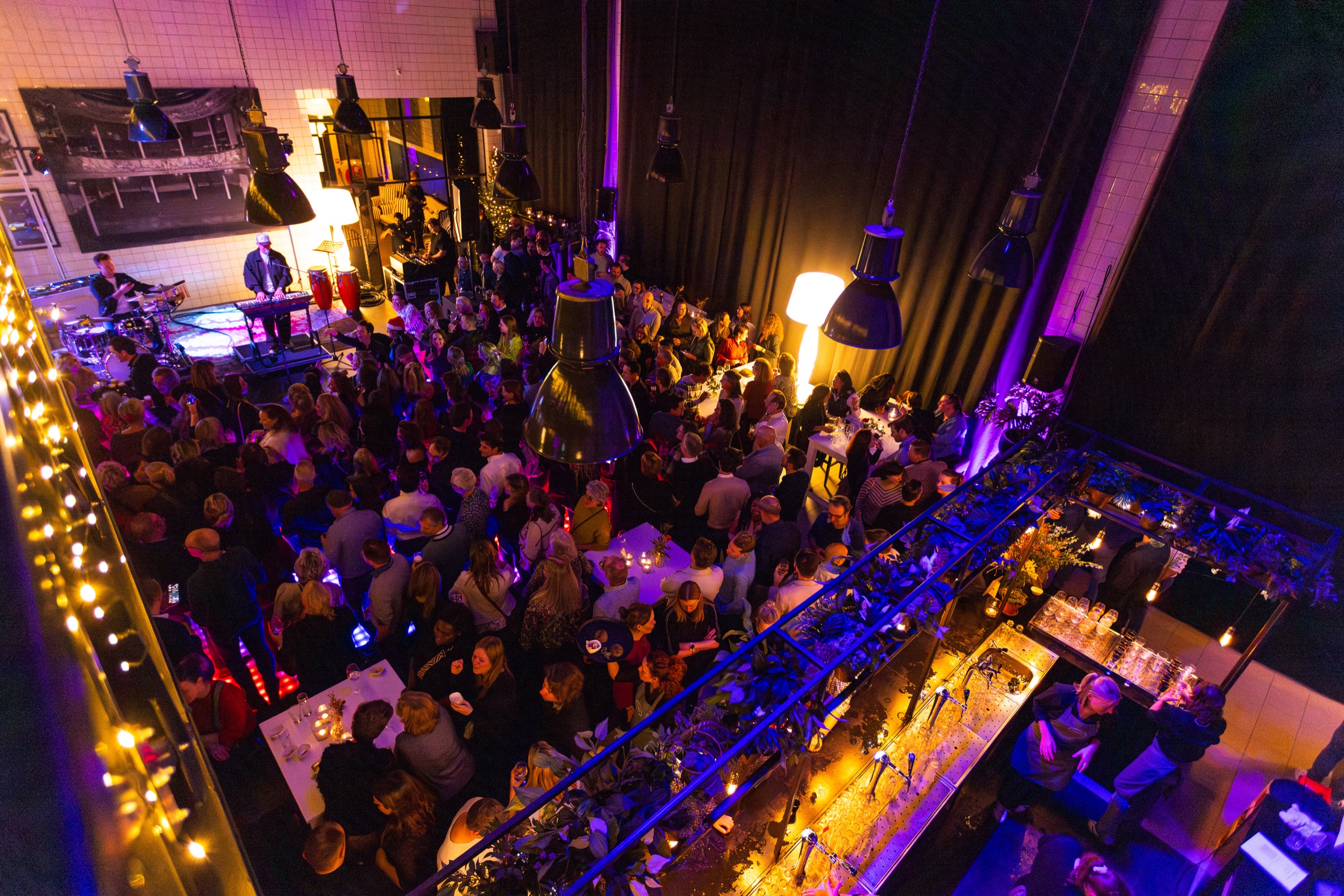
The most common mistake is falling in love with a venue first, then realizing later that there is no kitchen, no loading area, or not enough power.
Choose venue and catering together
The venue and the food should be planned as one. If you want to know how to choose an event venue in Brabant with catering the smart way, focus on the practical details: kitchen facilities, permits, parking, and accessibility. La Casserole offers its own venues, including Kasteel Henkenshage and Het Ketelhuis, which means the space and the kitchen are managed together, making logistics much easier.
The style of the venue also sets the tone. An industrial venue like Het Ketelhuis in Eindhoven suits a clean, modern setup, while a castle creates a more classic atmosphere. That should line up with your brand. A fast-growing tech company can feel out of place in a neo-Gothic hall.
Logistics vary by city
Your location affects the execution. Catering in Den Bosch, Tilburg, or Helmond involves different travel times and loading windows than an event in Eindhoven itself. For an outdoor event, you also need to factor in power and weather. It is worth reading how to avoid problems with power and weather for garden party catering before you forget to budget for a tent or generator.
What you can do now:
- Ask every venue whether it has a kitchen, how many power points are available, and where the loading area is.
- Check parking and accessibility, especially for international guests in the Brainport region.
- For outdoor events, always build in a weather backup with tenting and heating.
- Match the character of the venue to your brand and the purpose of the event.
Food safety and costs: what you need to know in advance
Food safety is not a nice extra, it is a legal obligation, and the cost of an event is heavily influenced by the format, venue, and level of service. Organizers consistently underestimate both.
If you are serving food to guests, you are responsible for doing it properly. In the Netherlands, that is not optional.
What the HACCP rules mean in practice
Every caterer is required to work with a food safety plan. According to the NVWA, every business that produces, processes, or sells food must work according to the HACCP system, based on European Regulation (EC) No. 852/2004, and the NVWA can carry out unannounced inspections. According to the KVK, a caterer can do this through its own HACCP plan or by following an approved industry hygiene code.
Allergen information is a major part of that. The NVWA checks whether businesses inform guests in time about allergens in unpackaged products, either on menus or through clearly communicated verbal information. For events with international guests, that means having allergen information available in English too.
What on-site catering costs
Pricing depends on your choices. As a rule of thumb, the more service involved, the higher the price per guest. A buffet is usually cheaper per person than a plated multi-course dinner, and a dinner show with a chef at the table will sit above that. For example, if a director is planning a Christmas dinner for 80 employees, a walking dinner will often land somewhere in the middle range, while a fully served dinner with styling and AV will come in significantly higher.
Beyond the food itself, make sure you budget for the extras organizers often forget: hourly service staff, furniture, glassware, tenting if needed, power supply, and setup and breakdown. When one provider handles everything, you see those costs clearly in one quote instead of spread out across six separate invoices. To learn more about how La Casserole manages this from concept to execution, visit the La Casserole approach.
What you can do now:
- Ask every caterer for its HACCP plan or hygiene code. No plan is a red flag.
- Share a list of allergies and dietary requirements in advance, and provide it in English too if international guests are attending.
- Ask for a quote that clearly lists service staff, furniture, tenting, and setup and breakdown.
- Use this cost rule of thumb: buffet < plated dinner < dinner show, then build your budget around the format.
Best practices: how to stay in control from start to finish
Good event management follows a clear order: objective, audience, format, venue, catering, run sheet. If you reverse that order, you usually pay for it later in stress and extra costs.
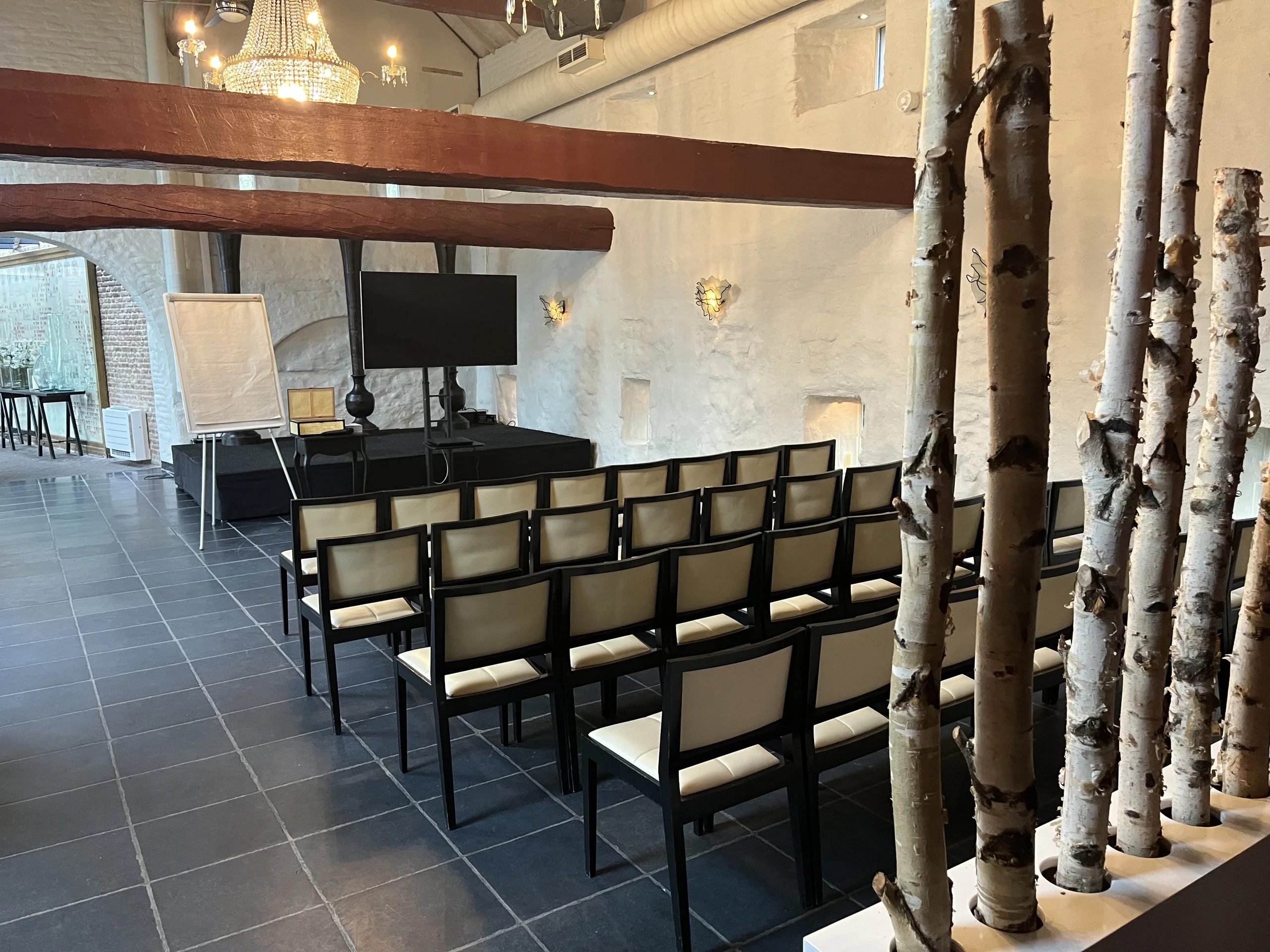
The common thread in successful events is simple: decisions are made in the right order. One of the biggest mistakes is booking the venue before the goal is fully defined.
Work from one run sheet with one owner
One document, one owner. Put everything into a central run sheet, including who does what and when, from supplier arrivals to the final glass being cleared. La Casserole assigns one project lead to each event to manage that run sheet, so on the day itself one person is making decisions instead of six people pointing at each other.
Plan early and leave yourself some breathing room
Time is your biggest advantage. For larger events, start months in advance with the date and venue, because the best venues and caterers are often booked up well ahead in peak season. Build extra time into your setup schedule too. Tight overlaps between AV and catering are one of the biggest sources of stress.
Manage risks before the event day
Think in scenarios. Weather, power, no-shows, and allergies are the four classics. For outdoor events with a stylish garden party or at-home BBQ, a weather backup is not a luxury, it is standard planning. And a team activity like a cooking workshop for companies needs dietary requirements collected in advance, otherwise someone ends up with an empty plate.
What you can do now:
- Follow the order: objective, audience, format, venue, catering, run sheet. Do not skip steps.
- Book the venue and caterer well in advance for larger events, especially during peak season.
- Appoint one project owner to manage the run sheet.
- Prepare four risk scenarios: weather, power, no-shows, and allergies.
Frequently asked questions
What counts as a business event?
A business event is any organized work-related gathering with a company objective, including corporate parties, conferences, product launches, client events, team outings, and receptions. According to Momice figures, 80% of all events in the Netherlands fall into this business category. The common factor is that the format should support the business goal, not just provide a pleasant atmosphere.
How much does on-site catering cost for a corporate event?
The price per guest mainly depends on the event format and the level of service. As a rule of thumb, a buffet is cheaper per person than a plated multi-course dinner, and a dinner show with a chef at the table costs more again. Beyond the food, budget for service staff, furniture, tenting if needed, power, and setup and breakdown, and ask for a quote that lists these items clearly.
Who can help organize a complete business event in Brabant?
A full-service event partner like la-casserole can combine catering, styling, AV, furniture, and project management under one run sheet. With its own venues such as Kasteel Henkenshage and Het Ketelhuis, plus more than 40 years of experience, coordination runs through one point of contact. That becomes especially valuable once your event would otherwise require more than three suppliers.
Does a caterer have to comply with food safety rules?
Yes, absolutely. Every caterer in the Netherlands must work according to a food safety plan based on HACCP, and the NVWA can carry out unannounced inspections. Ask for the HACCP plan or hygiene code with every quote. If that information is missing, take it seriously.
Should I choose a walking dinner or a seated dinner for a networking event?
For networking, a walking dinner usually works better because guests stay mobile and speak to more people. A seated dinner is better for deeper conversations and stronger connection, with table discussions typically involving six to eight people. Start with your goal: do you want guests to mix, or do you want them to go deeper? That determines the format.
Conclusion
Organizing a business event in Brabant without unnecessary stress does not start with the venue or the menu. It starts with one clear question: what should this event achieve? If you stick to the right order, objective, audience, format, venue, catering, and run sheet, you avoid the classic mistakes: starting too late, using too many suppliers, and only thinking about food safety at the last minute.
The real advantage is control. With legal HACCP requirements, international guests in the Brainport region, and a €9.1 billion business events market, winging it is not a serious option. One central run sheet and one responsible lead keep the process manageable. That is exactly how La Casserole brings catering, styling, AV, and project management together, so you can focus on the content of the event instead of the logistics.
Sources
- EventPlatform (onderzoek door Respons/Leisure Advies) — Eventplatform
- Momice
- CBS Urban Data Center Eindhoven — Cbs
- NVWA — Nvwa
- KVK — Kvk
- De economische waarde van zakelijke evenementen — EventPlatform (onderzoek Respons/Leisure Advies)
- Werken volgens het HACCP-systeem — Nederlandse Voedsel- en Warenautoriteit (NVWA)
- Voedselveiligheid in de horeca: alles over HACCP — Kamer van Koophandel (KVK)