

The short answer
Kasteel Henkenshage is a historic, castle-style country house in Sint-Oedenrode (part of Meierijstad, North Brabant), with roots stretching back to the late Middle Ages and a main building in its current form dating from the nineteenth century. For event planners, that history is more than a nice talking point. It is a practical asset. The story of the venue gives your event atmosphere, a clear thread, and a setting you simply cannot fake.
- Location: on Laan van Henkenshage in Sint-Oedenrode, conveniently positioned between Eindhoven and ‘s-Hertogenbosch.
- Character: a moated country house with a park and island, originally a medieval farmstead or fortified residence.
- Current use: an exclusive venue for weddings, parties, and events, not generally open to the public.
- Event value: historic features such as the moat, park, and monumental rooms help shape your styling, guest flow, and catering setup.
- In practice: La Casserole provides catering, styling, and technical production at this venue as one integrated solution.
Introduction
La Casserole often sees the same mistake when planners work at a historic venue for the first time: they book the castle for the photos, then build a completely standard event inside it, the kind of event that could just as easily have been held in a generic function room. At that point, you are paying for character you never actually use. (Services)
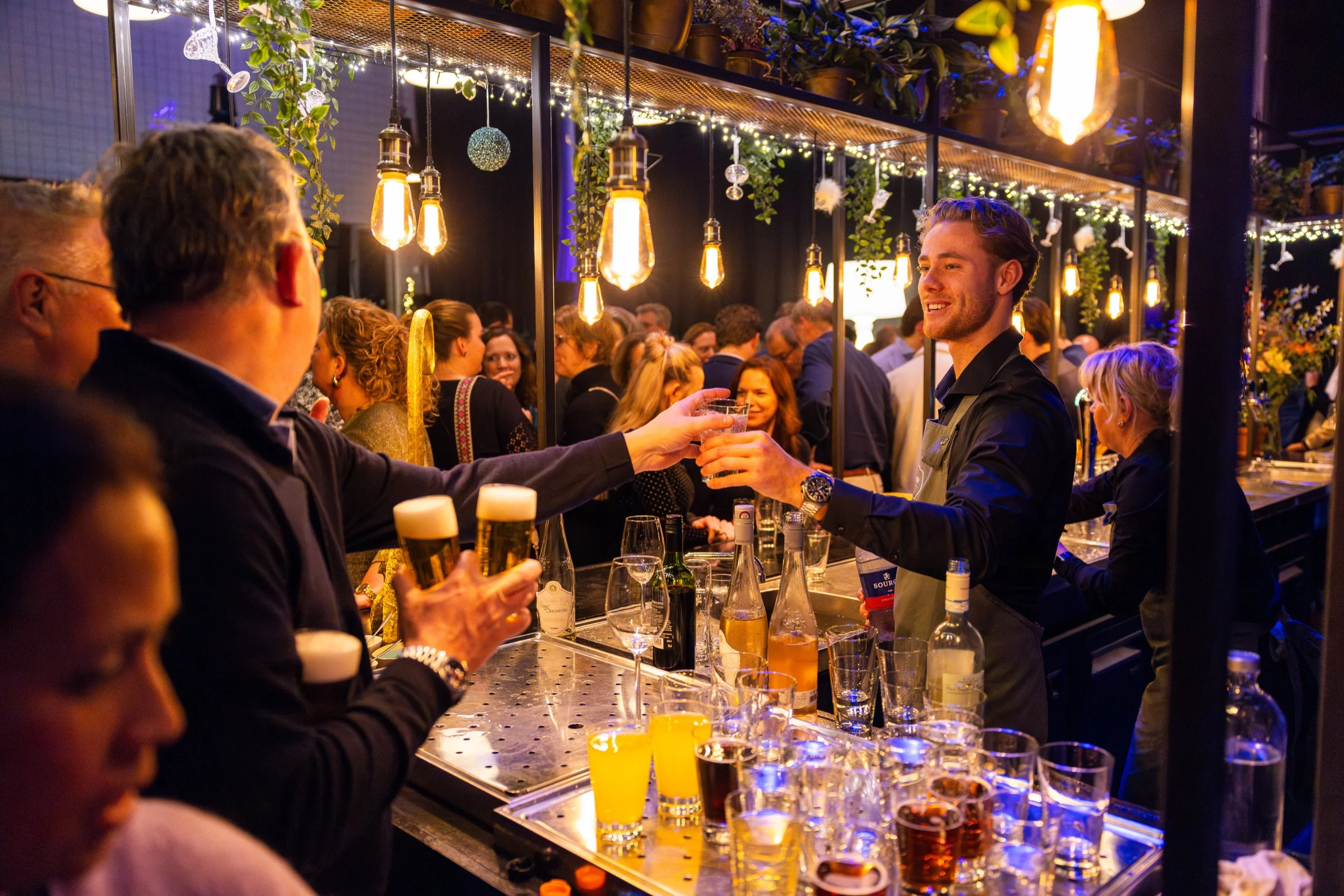
Kasteel Henkenshage in Sint-Oedenrode is a perfect example. The moat, the park, the island, and the monumental interiors all tell a story that reaches back centuries. Once you understand that story, you plan differently. You choose different guest routes, different lighting, different catering, and different moments to let the venue speak for itself.
This article is about making that shift. Not about hosting a wedding or party at the castle for its own sake, but about using the history of the venue as a practical planning tool. For anyone organising corporate events or private celebrations in Brabant, that is the difference between a beautiful venue and an event people genuinely remember. With more than forty years of experience and its own event venues in the region, La Casserole builds programmes around exactly this kind of historic context.
What is the history of Kasteel Henkenshage?
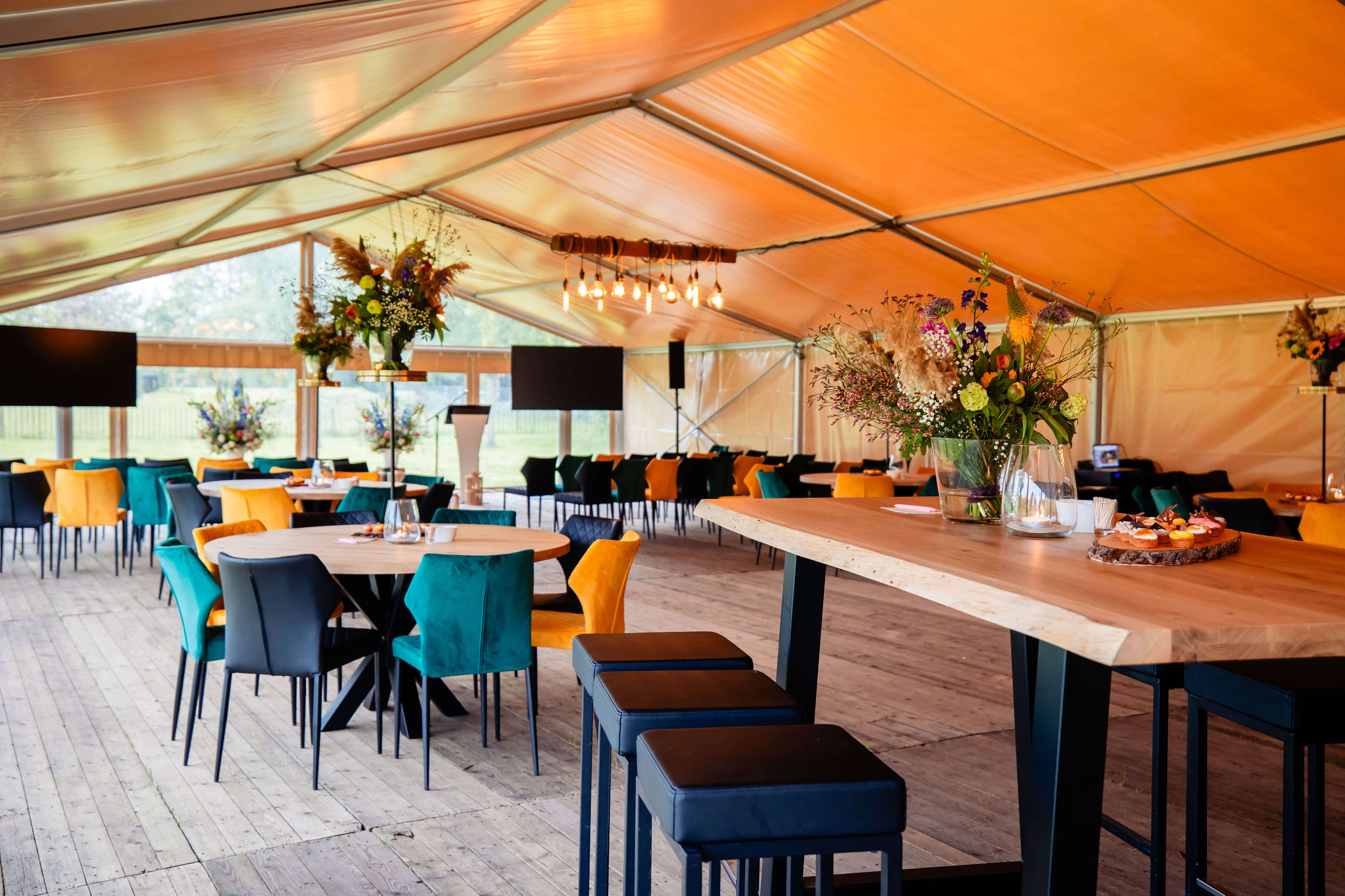
The history of Kasteel Henkenshage goes back to the late Middle Ages, when this site was home to a moated fortified house or farmstead. The main building as it stands today took on its distinctive character in the nineteenth century. That layered history is exactly what makes the venue so appealing for planners who want to create atmosphere with substance.
From medieval farmstead to nineteenth century country house
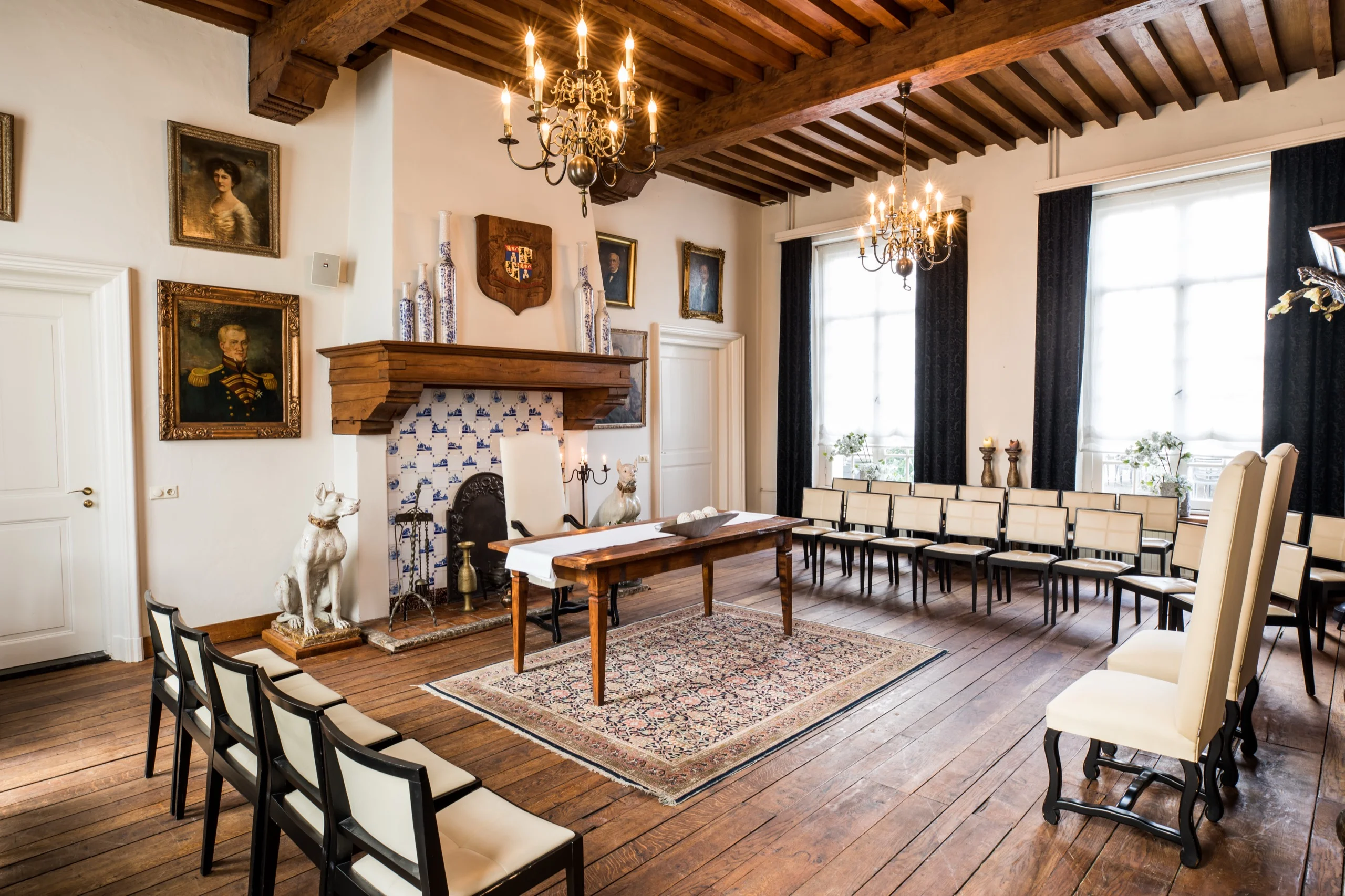
Many castles in Brabant are not castles in the fairy tale sense. They are moated country houses that have been altered and rebuilt over the centuries. Henkenshage fits that pattern. The moat and island setting point clearly to medieval origins, while the architectural style of the main house belongs to a later era. In practical terms, that means your event combines older outdoor features such as water, parkland, and mature trees with comparatively later interior spaces.
Why the building history shapes your event
The moat is not just a pretty backdrop. It affects how guests arrive, where you place the welcome moment, and how catering deliveries are handled. The park and island create wonderful opportunities for an outdoor reception or ceremony, but they also require a weather backup. Ignore the architectural reality of the site, and practical issues show up fast: a food truck that cannot get close enough, or a lighting plan that completely misses the impact of the historic façade.
Using the story as the thread running through the day
History works best when it appears as a recurring theme, not as a one-off anecdote during drinks. That could mean a welcome speech that references the venue’s past, dishes with a regional or Burgundian story behind them, and styling that supports the centuries-old setting instead of competing with it. That way, guests feel the history without feeling like they are sitting through a lesson.
Put it into practice:
- Ask the venue manager for three specific historical details you can weave into the programme.
- Check whether at least one part of the event, the welcome, the catering, or the styling, clearly connects back to the story of the venue.
- Walk the arrival route in person: can guests actually see the moat and park before they go inside? If not, move the welcome moment outdoors.
Where is Kasteel Henkenshage, and why is that useful?
Kasteel Henkenshage is located on Laan van Henkenshage in Sint-Oedenrode, part of the municipality of Meierijstad in North Brabant, roughly between Eindhoven and ‘s-Hertogenbosch. That central position makes it a practical choice for events with guests coming from across the region.
Central in Brabant, ideal for mixed guest lists
If you are planning a conference or company party for guests travelling from both Eindhoven and Den Bosch, a central location makes life easier for everyone. No one ends up with an unreasonable journey. Imagine an HR manager at a manufacturing company with sites in both cities organising a staff day for 120 employees. A venue between the two keeps average travel time low and attendance high. If you want the exact location and access details, you can find them in this separate guide to the location and accessibility of Kasteel Henkenshage.
A rural setting that is both an advantage and a planning point
The quiet, green surroundings give an event a sense of occasion, but they also require extra attention when it comes to parking, power supply, and deliveries. A historic outdoor venue rarely has the same electrical capacity as a conference centre. If you are planning outdoor catering with hot food, that usually means extra generators or a carefully designed menu with lower power demands. This is exactly where a full-service partner proves its value.
Bringing the wider Sint-Oedenrode area into the experience
What is there to do in Sint-Oedenrode? For a multi-day business event or a wedding weekend, the local area matters. Walking routes, open countryside, and restaurants in the town centre give guests something to enjoy around the main programme. If you build in half a day for that, guest satisfaction usually goes up, especially for international visitors who are staying overnight anyway.
Put it into practice:
- Calculate the average travel time from the three biggest postcode clusters on your guest list. If it is over 45 minutes, be very clear in advance about parking and transport options.
- Check the venue’s power capacity before finalising the menu. If the supply is not sufficient, you will need a generator or an adjusted hot and cold menu.
- For multi-day events, set aside half a day to explore the area and link it to a walking route or regional visit.
How do you choose between a historic venue and a neutral event space?
The choice between a historic castle and a neutral event space comes down to three things: the goal of the event, the atmosphere you want, and your styling budget. A historic venue gives you built-in atmosphere, but it also requires you to adapt to the building.
When history makes a real difference
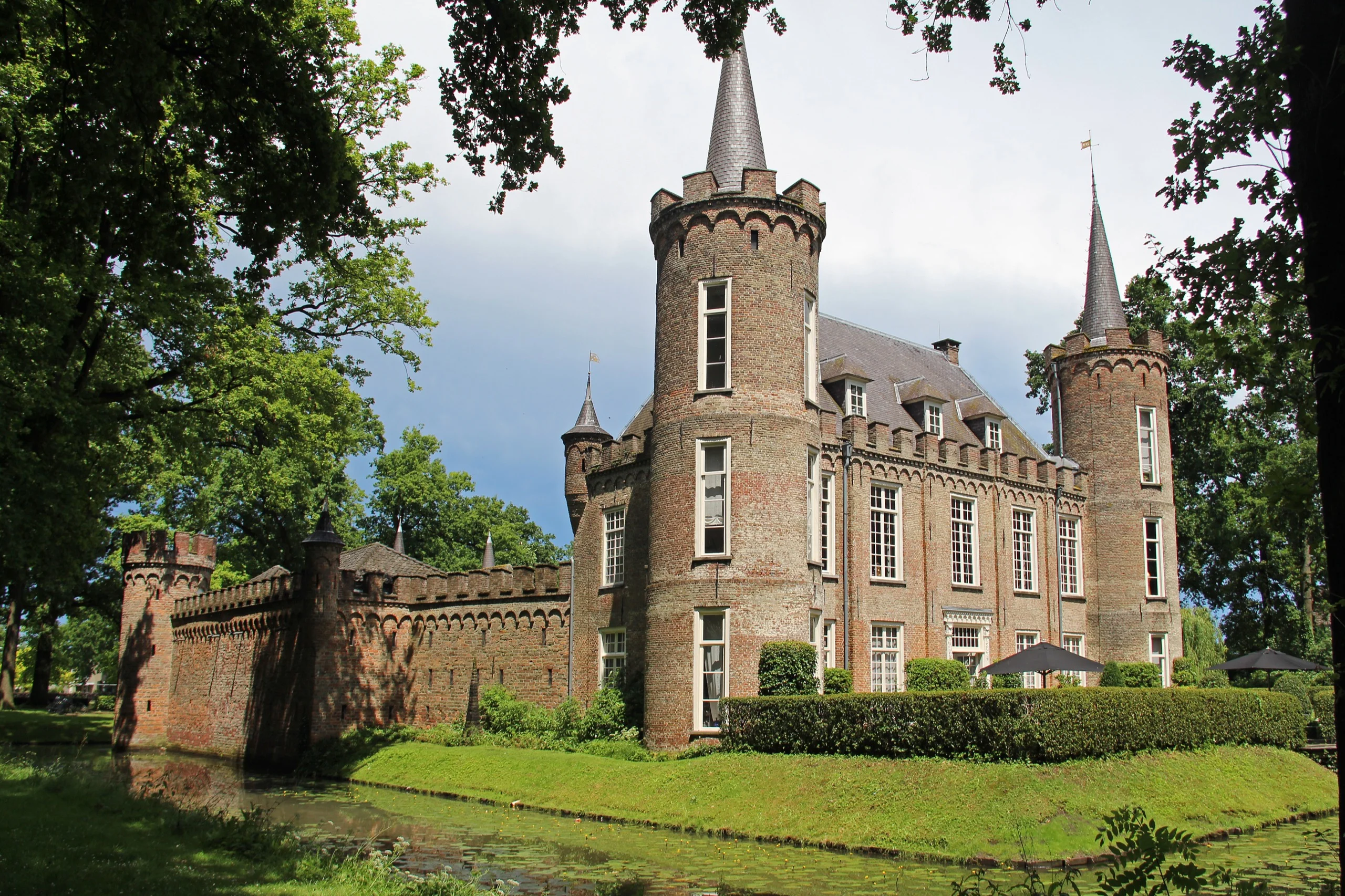
For client events, anniversaries, product launches, and weddings, the overall experience matters enormously. That is where character pays off. A brand launching a new premium product gets an instant sense of story in a monumental setting, something that might cost thousands in décor in a blank room. On the other hand, a tightly scheduled business conference with heavy screen use may be better suited to a neutral venue with a full technical setup already in place.
Comparing the hidden costs and opportunities
Historic venues often come with stricter rules. There may be less freedom to drill, hang, or attach anything, and there may be restrictions on sound or open flames. At the same time, you often save on styling because the venue already has presence. The table below gives a practical comparison with indicative guidelines.
| Criterion | Historic venue (castle) | Neutral event space |
|---|---|---|
| Atmosphere and built-in décor | High, with a monumental look | Low, everything must be created from scratch |
| Additional styling budget | Often 10 to 25% less | Often higher because the space is plain |
| Technical infrastructure | Limited, often needs supplementing | Usually fully available |
| Setup flexibility | Limited because of heritage status | High |
| Guest experience | Distinctive and memorable | Functional |
Let the story influence the decision
If you choose a historic venue, make proper use of it. A planner who books a venue for the wow factor but never brings its story into the event is paying for atmosphere that goes to waste. If you are still weighing up different venue types, this guide on how to choose the right event venue in Eindhoven and the surrounding area offers a useful framework for comparing atmosphere, purpose, and logistics.
Put it into practice:
- Rate your event on a scale of 1 to 5 for how important the guest experience is. If it scores 4 or 5, a historic venue deserves serious consideration.
- Ask the venue directly about rules on hanging items, sound, and open flames before designing the styling.
- Price out two scenarios: a blank venue plus styling budget, versus a castle with minimal décor. Compare the final totals, not just the venue hire fee.
How do you connect catering and styling to the story of the venue?
Catering and styling are far more effective when they reinforce the story of a historic venue instead of working against it. At a Brabant castle, that usually means regional, generous food choices and styling that lets the building breathe.
Menus that suit the setting
A moated country venue with parkland calls for a different menu than a sleek city office. Regional produce, a generous buffet, or a dinner show with the chef interacting with guests can all feel naturally at home in this setting. La Casserole builds menus around the event format and the venue itself, rather than starting from a fixed menu list, so the food becomes part of the experience rather than a separate module. For a standing reception in the park, elegant canapés usually work better than a heavy three-course meal. This guide to drinks reception catering and canapés explains how to match portions and presentation to the moment.
Styling that respects the building
The key is restraint. A monumental room does not need oversized décor walls. In many cases, subtle façade lighting or simple table linen does more to enhance the character of the venue than a loud theme ever could. Historic venues with protected status also tend to have restrictions on what can be attached where. An experienced partner plans around those limits, so you do not discover on setup day that your décor plan is not allowed.
Keeping technical production and logistics out of sight
Cables, generators, and catering lines should never spoil the look of the event. At an outdoor venue with limited power, a solid technical plan is essential. La Casserole combines catering, styling, and technical production under one roof, which makes this coordination much easier. The catering layout, lighting plan, and power supply are designed together. If you work with separate suppliers, you often only discover on the day itself that the food truck and the lighting plan are competing for the same power circuit. You can read more about how La Casserole approaches a complete event as one integrated whole.
Put it into practice:
- Choose at least two menu elements that tell a seasonal or regional story that fits the venue.
- Ask for the heritage rules on styling, and do not plan décor that requires drilling or sticking without prior approval.
- Have one party design the power and technical plan together with the catering setup, so capacity conflicts are spotted early.
Recommendations from experts
Experienced event planners treat the history of a venue as a design framework, not as a decorative afterthought. In practice, a few ways of working stand out again and again.
Start with the objective, not the venue
As tempting as a castle may be, the event still has to serve a business goal or celebration goal. Decide first what you want guests to feel or do, then check whether the historic setting helps deliver that. For a team day focused on connection, for example, a culinary team building experience in an atmospheric setting may actively support the objective.
Plan for weather and power early
Outdoor spaces at historic venues are weather-dependent and rarely generous when it comes to technical infrastructure. A weather backup and a power calculation belong in the first planning round, not the final week.
Work with one point of contact
At a complex venue with heritage restrictions, limited technical facilities, and outdoor areas, events with five separate suppliers are much more likely to run into problems. One partner handling catering, styling, technical production, and planning makes coordination far easier. That is exactly how La Casserole supports clients from concept to execution.
Put it into practice:
- Write the event objective in one sentence before you confirm the venue, and test the venue choice against that objective.
- Put weather and power on the agenda in week one, with a concrete backup for every outdoor element.
- Count your supplier contacts. If you have more than three separate parties, coordination risk rises sharply, so consider consolidating.
Checklist of best practices
Use this checklist when planning an event at a historic venue such as Kasteel Henkenshage.
- [ ] Find out the story of the venue: three historical details will give your programme a natural thread.
- [ ] Check the location against your guest list: a central Brabant venue helps keep travel times manageable and attendance strong.
- [ ] Confirm power and capacity early: historic outdoor venues rarely match the technical infrastructure of a conference centre.
- [ ] Request the heritage rules: restrictions on drilling, sound, and open flames will shape what is possible.
- [ ] Match the menu to the atmosphere: regional or generous Burgundian-style choices strengthen the experience.
- [ ] Arrange a weather backup: outdoor spaces always need a plan B for rain or wind.
- [ ] Combine catering, styling, and technical production: one point of contact helps avoid capacity conflicts on the day, which is how La Casserole normally works.
- [ ] Build the local area into multi-day events: walking routes and regional visits add value for guests.
What to avoid
The biggest mistakes at a historic venue happen when people treat it like an ordinary event hall. Three problems come up most often.
Leaving the history unused
You book a castle for the wow factor, then fill it with an anonymous event. In that case, you are paying for character that nobody actually feels. Make sure the story appears in at least one clear part of the programme.
Underestimating logistics
Limited power, narrow access routes, and heritage restrictions often become a problem only on setup day. A food truck that cannot get close enough or a missing generator can ruin the hot part of your menu. Plan for this from the start, especially with outdoor catering, where power and weather are usually the biggest risks.
Overstyling a monumental venue
A historic room already has presence. Large décor walls and an overpowering theme often work against it. Keep things simple and let the building do the heavy lifting.
Put it into practice:
- Cut any décor element that hides the monumental space instead of enhancing it.
- Walk the catering access route in person: can your largest delivery vehicle actually get through?
- Do not plan any technical element until the available capacity has been confirmed.
Frequently asked questions
What is the history of Kasteel Henkenshage?
Kasteel Henkenshage is a moated country house in Sint-Oedenrode with roots in the late Middle Ages, when the site was home to a fortified house or farmstead. The main building took on its current character in the nineteenth century. That layered architectural history makes it especially appealing for events where atmosphere and storytelling matter.
Where is Kasteel Henkenshage located?
Kasteel Henkenshage is located on Laan van Henkenshage in Sint-Oedenrode, part of the municipality of Meierijstad in North Brabant. It sits roughly between Eindhoven and ‘s-Hertogenbosch, which helps keep travel times reasonable for guests coming from across the region. For events with a mixed guest list, that central location is a practical advantage.
Who owns Kasteel Henkenshage, and does anyone live there?
Kasteel Henkenshage is no longer a private residence. Today it operates as an exclusive event venue and is not generally open to the public. It is hired out for weddings, parties, funerals, and corporate events. For the latest information about ownership or management, it is best to contact the venue directly.
Who can help organise an event at a historic venue in Brabant?
La Casserole provides catering, styling, technical production, and project management at venues such as Kasteel Henkenshage as one complete solution. By designing the catering, power plan, and visual setup together, this approach helps avoid the capacity issues that often arise when separate suppliers work independently. With more than forty years of experience and its own event venues in the region, the team understands the logistics of historic locations.
Can you visit Kasteel Henkenshage, or is it only for events?
Kasteel Henkenshage is generally not open to individual visitors and is primarily available as a venue for weddings, parties, and events. Public activities may occasionally be organised for special occasions, but they are not ongoing. If you want to view the venue for a potential event, the best option is to arrange a site visit through the organising party.
Conclusion
The history of Kasteel Henkenshage, from a medieval moated farmstead to a nineteenth century country house, is not just a fun fact for event planners. It is a planning tool. When you understand the story of the venue, you make better decisions about guest flow, menus, styling, and logistics, all while working with the reality of the moat, the park, and limited power supply.
The core idea is simple. Start with your event objective, decide whether the historic setting strengthens it, and bring the story into at least one clear part of the programme. That way, you are not paying for character that never gets used.
If you would rather leave that translation from history to successful event to an expert, La Casserole combines catering, styling, and technical production into one joined-up approach, so the venue can do its job and the planning stays smooth.
Looking to host a stylish event in Brabant? Let us handle it!