

Wedding walking dinner catering is a stylish choice if you want guests to mingle, move around and chat with different people throughout the evening. Your venue needs enough space for that, along with seating areas and a kitchen close by. It becomes impractical when many guests would rather sit down, speeches run long or the kitchen is far from the reception space. The format itself is rarely the issue. It all comes down to execution. Done well, it feels like a lively celebration. Done badly, it can feel like everyone is waiting for the next small plate.
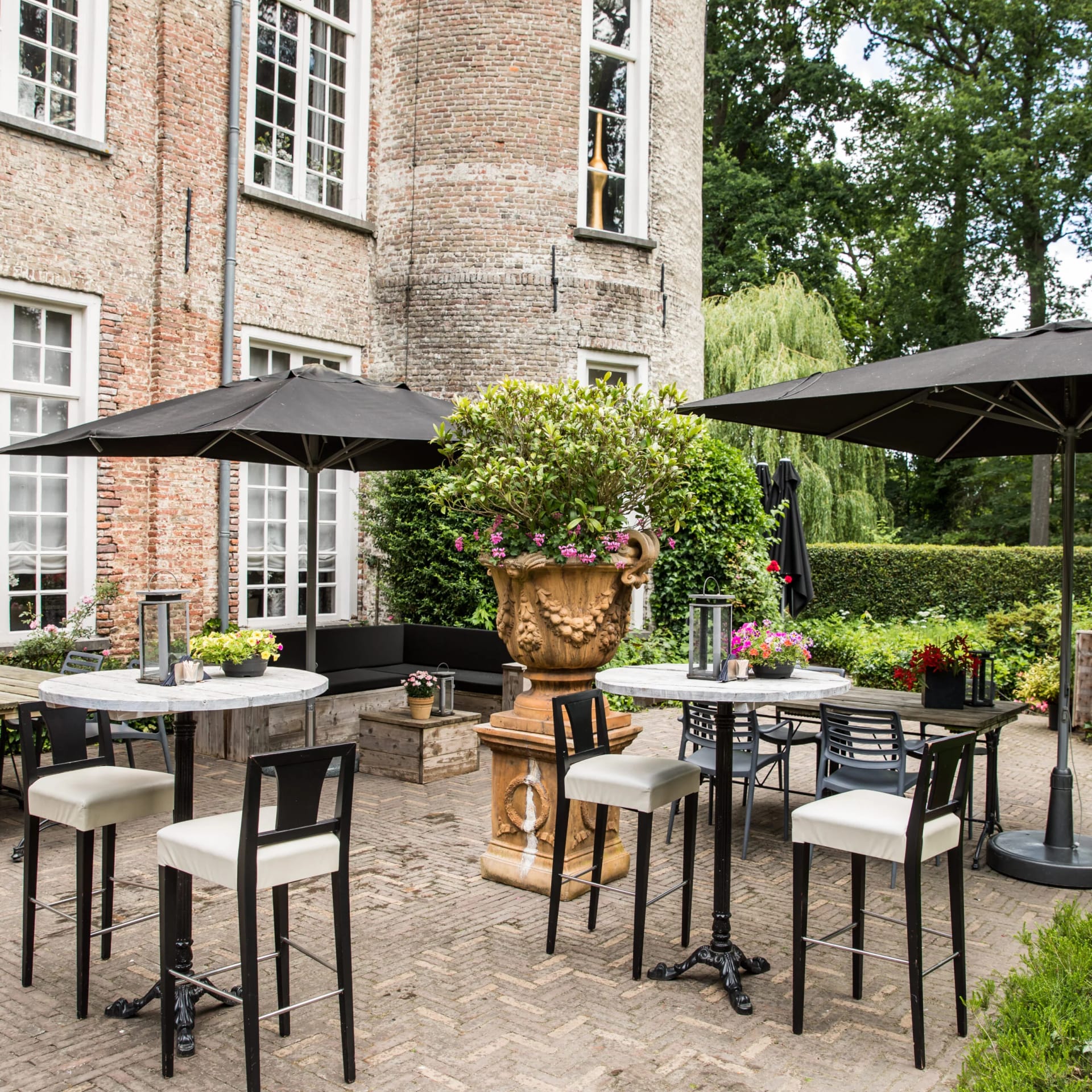
Why Do So Many Couples Hesitate About a Walking Dinner?
Picture this: your 88-year-old grandmother is holding a small plate in one hand and a drink in the other, with nowhere nearby to put either one down. That is the image many couples have when they think about a walking dinner. Then come the other concerns: will guests leave hungry, and will we miss that moment when everyone sits down together? (Services)
Those concerns are understandable because a wedding works differently from a corporate event. At a business reception, guests are often similar in age and expectations. At a wedding, your guest list can range from babies to great-grandparents. There are also key moments to plan around, including speeches, cutting the cake and the first dance. A walking dinner has to fit around those moments, whereas a seated meal creates its own natural structure.
On the other hand, a walking dinner solves something a traditional seated dinner cannot. Guests are not stuck beside the same two people for three hours, and your families and friendship groups are far more likely to mix. If you are still planning the wider celebration, this guide to organising a wedding or private event without the stress covers the essentials. The more focused question here is whether this dining style suits your guests and venue.
How Does Wedding Walking Dinner Catering Work in Practice?
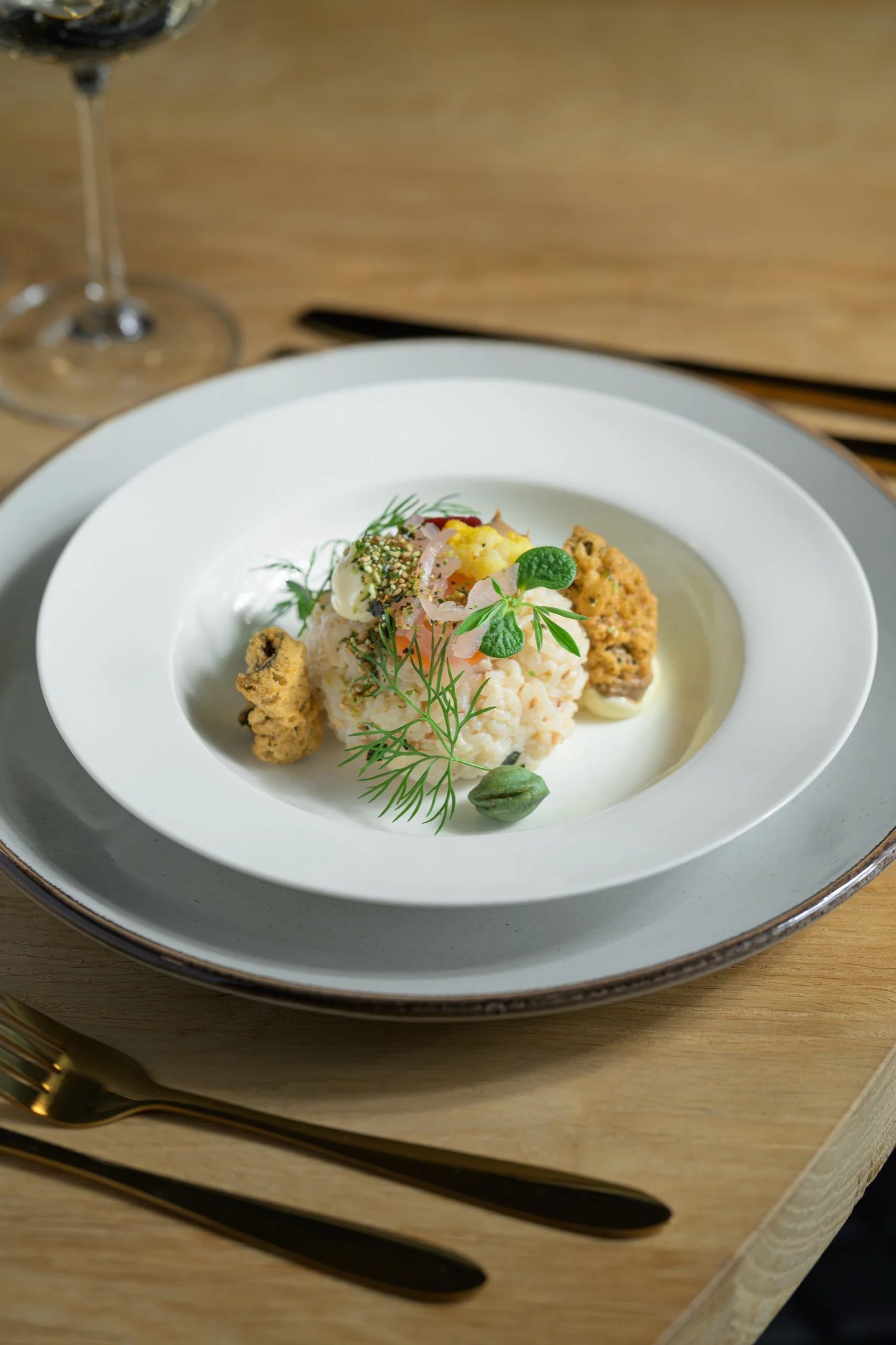
A walking dinner is a series of small dishes served throughout the evening, usually while guests stand or gather around high tables. Five to eight courses is common, generally served 15 to 30 minutes apart. In total, the meal usually lasts two to three hours. Servers circulate with plates, or guests collect dishes from a serving station where a chef finishes each plate on the spot.
That final plating is central to the logistics. Hot food needs to arrive hot, even when the last course is served two hours after the first. The public health guidance on food safety at events states that hot food should be kept at a minimum of 60°C. Food that needs to be chilled must be cooled to 7°C within 5 hours. Your caterer will therefore need heated cabinets, refrigeration and sufficient power close to the event space.
The legal requirements are clear too. According to the Dutch government information for businesses, every business that prepares or sells food must operate under a food safety plan or an approved hygiene code. If you are getting married in a marquee, additional requirements apply to temporary business premises, including marquees and food trucks. The Dutch food safety authority oversees food safety. In practice, the caterer handles its own registration and hygiene procedures, while you or the venue are responsible for using the site correctly and arranging any required permits.
What about cost? Many couples assume a walking dinner will cost less than a plated meal because it feels more informal. That is usually not the case. More small courses mean more preparation, more finishing work and more staff circulating around the room. Expect a similar price range to a seated dinner rather than a buffet. For a clearer picture for a larger celebration, read what wedding food for 100 guests costs.
When Is Wedding Walking Dinner Catering a Good Fit, and When Is It Not?
The best deciding factor is not the menu. It is what your guests want to do that evening. If they want to catch up, move around and mingle, a walking dinner works beautifully. If they mainly want to relax over a meal and listen to speeches, a seated dinner may be the better option.
| Situation | Walking dinner | Seated dinner |
|---|---|---|
| Guest mix | Works well when most guests are adults through middle age | More comfortable with many older guests or young children |
| Speeches | Best for two or three short speeches between courses | Allows for a longer programme at the table |
| Space | Needs room to circulate, plus seats for some guests | Needs a fixed table layout for everyone |
| Atmosphere | Lively, with guests naturally mixing | Intimate, with conversations centred around each table |
| Evening guests | Easy for people to join as the evening continues | More difficult, as the meal needs a clear end point |
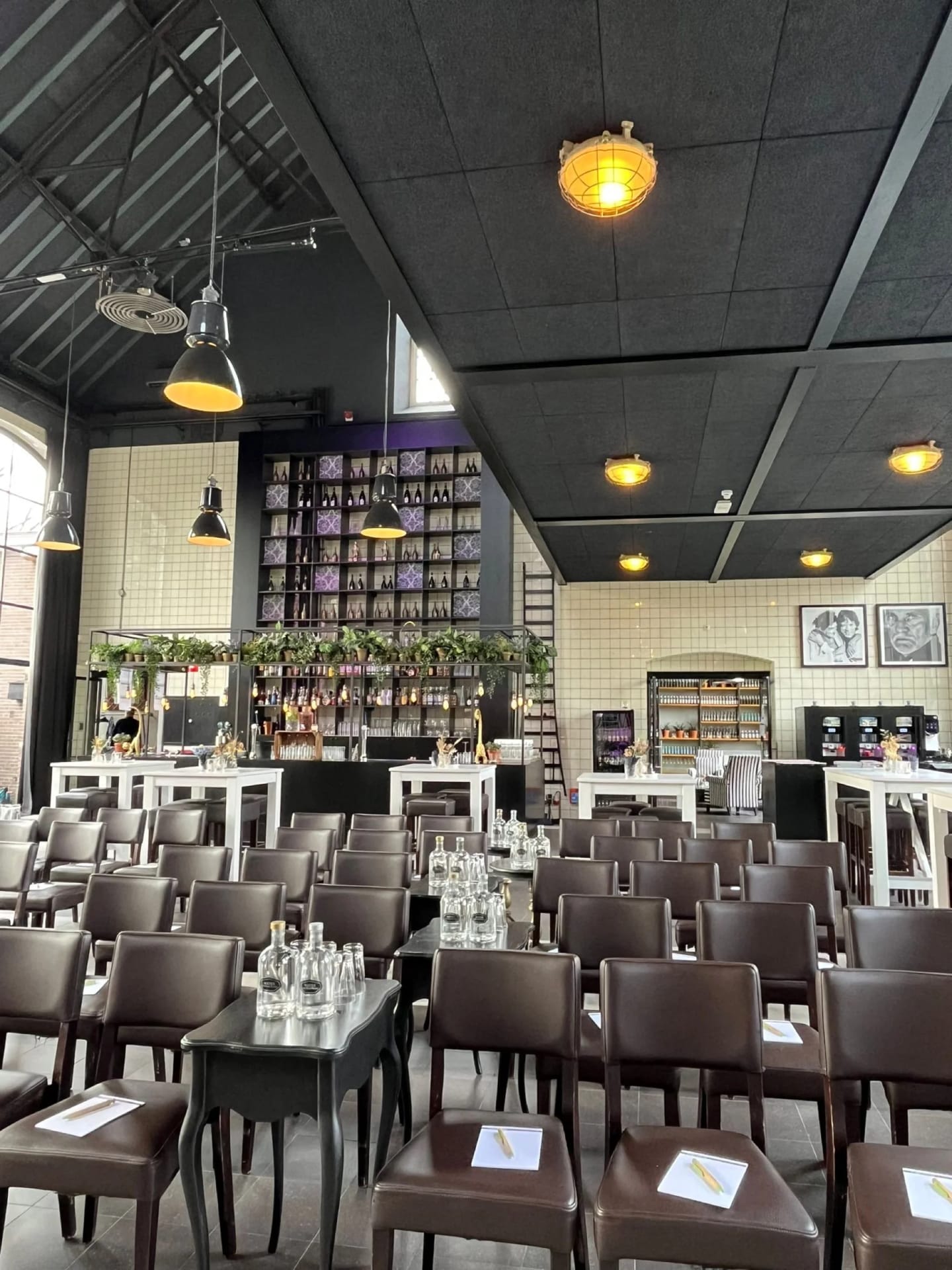
A middle ground is often the best option. For example, provide enough long tables for roughly half your guests to sit down, without assigning seats. Older guests then have a reliable place to sit and can be served there, while everyone else is free to move around.
One detail couples often overlook is that the newlyweds themselves may eat the least during a walking dinner. People are constantly coming over to congratulate you, and dishes can pass you by before you notice. Ask your caterer to assign one dedicated server to bring every dish to you. Or schedule 15 minutes for the two of you to sit at a small table together. It sounds minor, but it is often the difference between experiencing your wedding dinner and watching it rush past.
How Can You Prevent Hungry Guests at a Wedding Walking Dinner?
Guests leaving hungry is the complaint you hear most often after a walking dinner, and it is almost always avoidable. It is rarely about the total amount of food. More often, it comes down to timing, pacing or dishes that are simply too light. Go through these points with your caterer.
Wedding walking dinner checklist:
- Seating for some guests: Without chairs, older guests and pregnant friends may be exhausted after an hour.
- Substantial courses early in the evening: Include a warm, filling dish with carbohydrates, such as risotto, a stew or potatoes, in the first half of the dinner. Do not rely solely on foams and delicate tartlets.
- Set timings between courses: A gap of more than 30 minutes can quickly feel like a long wait.
- Plan speeches between courses: This keeps the kitchen moving and means no one is interrupted halfway through a dish.
- High tables or small shelves for setting things down: Guests have a drink and a plate, but only two hands.
- A kitchen and serving point near the room: Every extra metre costs heat and slows down service.
- Consider dietary requirements: Ask about allergies on the invitation, so the service team knows exactly who needs an alternative at each course.
- A dedicated server for the newlyweds: This ensures you do not miss any part of your own dinner.
If you are planning a walking dinner at home or in your garden, you will have extra questions about space and equipment. This guide to the space, guest numbers and timing needed for a walking dinner at home is a helpful starting point.
What Mistakes Make a Walking Dinner at a Wedding Feel Impractical?
The biggest mistake is choosing the format because it sounds fashionable, then failing to adapt the rest of the day around it. A few pitfalls come up time and again.
Too much happening during the meal. At a seated dinner, you can fit in four speeches and a game between courses. During a walking dinner, that can throw the whole rhythm off. Guests are left listening with cooling plates in their hands, while the kitchen has to pause. Keep it to two or three short speeches, or move some of them to the drinks reception or the start of the evening party.
Evening guests arriving halfway through dinner. A walking dinner can transition smoothly into the party, but you need to decide who receives what. If evening guests arrive during the final courses, people will quickly wonder whether they are invited to eat as well. For a plan that avoids awkward gaps, read this guide to a catering concept for daytime and evening wedding guests.
Dessert served too late. If the sweet course arrives after 10 pm, many guests will already be on the dance floor or at the bar. Serve dessert just before or alongside the cake, so it becomes one shared moment.
Finally, do not try to do too much at once. Combining a walking dinner with a food truck and a buffet usually creates queues and leaves the kitchen trying to work in three directions. If you still want a food truck, bring it in later as a late night snack. Find out how in this guide to having a food truck at your wedding.
Frequently Asked Questions
How much does a wedding for 100 guests cost?
Your total budget depends heavily on the venue, meal format, drinks and styling, so there is no single figure that applies to every wedding. Catering and drinks are typically among the biggest costs. A walking dinner usually falls into the same price range as a seated meal because it requires more staff and hands-on preparation.
What are some fun wedding food ideas?
Personal dishes tend to make the biggest impression: a course inspired by the country where you met, or a bite-sized version of the dish you ate on your first date. A walking dinner makes this easy, as every course can tell its own story. A chef plating a dish live at a side station also adds theatre and movement to the room.
How many courses do you need for a walking dinner?
Five to eight courses is a typical range, depending on portion sizes and the length of the dinner. The structure matters more than the exact number: include at least two warm, filling dishes and one dessert. Ask your caterer how the full menu compares to a standard meal in total quantity.
Is a walking dinner suitable when lots of children are attending?
Children are usually happy to move around, but small portions with refined flavours are not always a hit. Ask for a simple children’s menu served at a dedicated table. Parents will enjoy their meal more calmly too.
Can you host a walking dinner outdoors or in a marquee?
A marquee can work very well, but your caterer must meet the hygiene requirements for temporary business premises and will need electricity for heated equipment. Think about the ground underfoot too. On grass, high tables can sink and heels can get stuck.
How Do You Choose the Right Dining Style for Your Wedding?
Start with your guest list and venue, not the menu. If guests can sit down whenever they want, the kitchen is nearby and your programme stays concise, wedding walking dinner catering can be a stylish choice that genuinely gets people mixing.
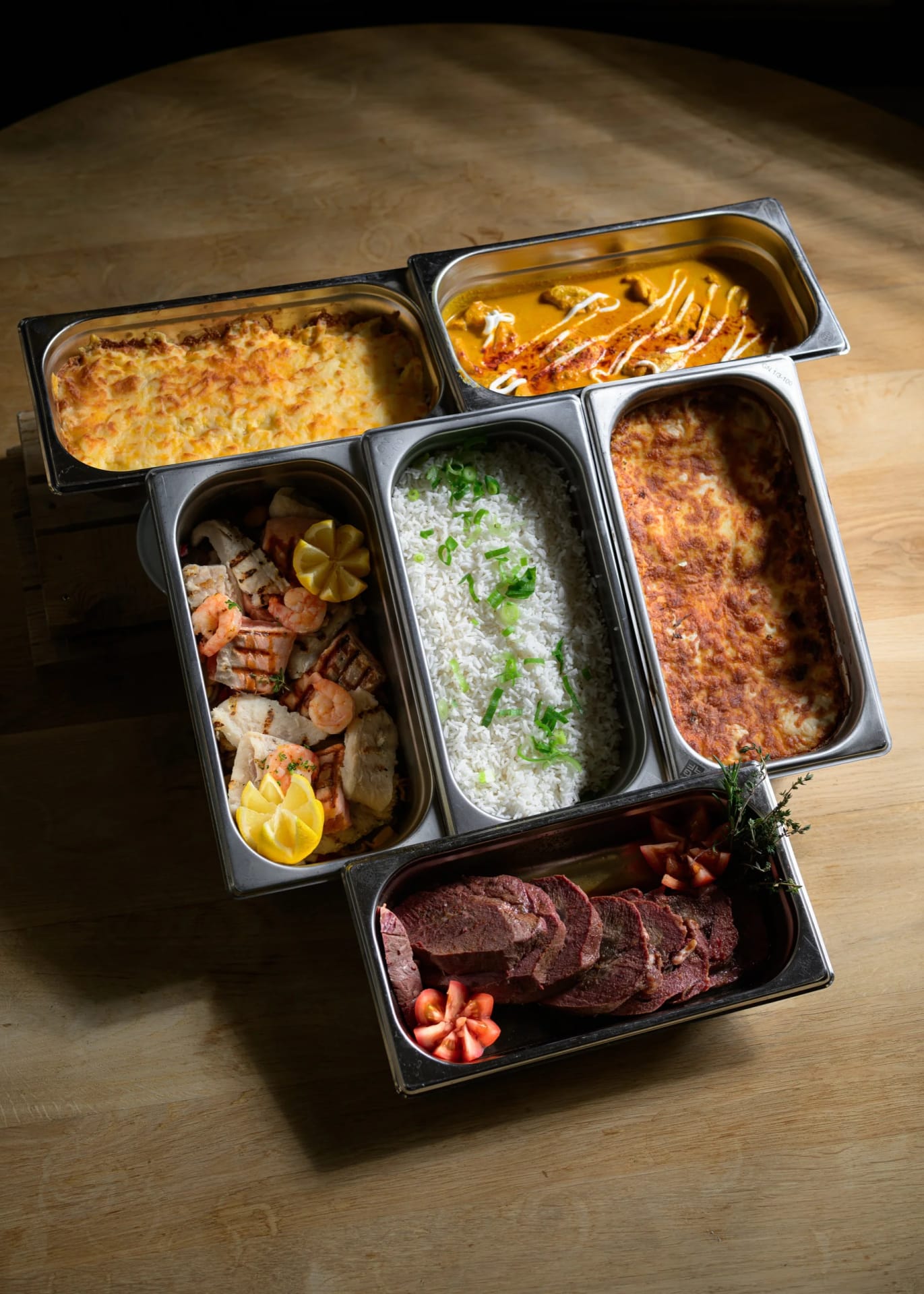
La Casserole, based in Best, combines catering, styling, furniture, technical production and project management through one point of contact, with its own venues in Brabant. Bringing your kitchen setup, seating plan and schedule together in one event plan keeps everything running smoothly. Not sure whether to choose a walking dinner or a seated meal? Request advice based on your date and guest count through wedding catering in Eindhoven and the surrounding area.
Frequently Asked Questions About Walking Dinner Catering
How many dishes should you serve at a walking dinner?
Plan for five to eight savoury dishes per person, depending on the time of day, the length of the celebration and whether dessert or a late night snack will follow. A caterer can tailor portion sizes to your schedule and guest list.
How long does a walking dinner take?
A walking dinner often lasts two to three hours. Dishes are served in several rounds, giving guests time to chat, get a drink and take part in speeches or other moments during the evening.
Is a walking dinner suitable for older guests?
Yes, as long as there is enough seating. No one needs to stand all evening. Reserve comfortable chairs, sofas and a few tables for older guests, pregnant guests and anyone with limited mobility.
Can dietary requirements be accommodated in a walking dinner?
Absolutely, provided dietary requirements are confirmed in advance. Vegetarian, vegan, gluten-free and allergy-friendly dishes can be included in the menu or served separately. Clear communication with the service team prevents confusion.
How much does wedding walking dinner catering cost?
The price depends on the number of rounds, ingredients, service staff, drinks, hired equipment, venue and any styling requirements. Always ask for a quote that includes staff, transport, setup and any equipment required.
Final Thoughts
Wedding walking dinner catering is ideal for couples who want to put atmosphere, movement and connection at the heart of their celebration. With enough seating, a sensible pace and a menu that is genuinely filling, you can create a festive dining experience without asking guests to stay at the same table for hours.
Discuss your expected guest count, chosen venue and the flow of the evening in advance. Your caterer can then design a walking dinner that is not only beautifully presented, but also works smoothly for everyone attending.
Looking to host a stylish event in Brabant? Let us handle it!
Sources
- GGD-richtlijn voor HACCP bij evenementen — Ghorzhz
- Ondernemersplein van de Rijksoverheid — Ondernemersplein
- NVWA — Nvwa
- Regels voor voedselveilig werken — Ondernemersplein / Rijksoverheid
- Voedselveilig werken (mobiele en tijdelijke bedrijfsruimtes) — Ondernemersplein / Rijksoverheid
- HACCP bij evenementen — GHOR / GGD
- Voedselveilig werken in horeca, ambacht en retail — NVWA