

Quick summary
La Casserole treats a wedding for 100 guests as one fully coordinated production, covering the venue, wedding catering, production, styling and event management, rather than simply pricing up a menu. For a corporate event with the same production demands, a realistic total budget is typically €18.000 to €32.000, or around €180 to €320 per guest. The biggest variables are the venue, dining format, drinks package, staffing hours and technical requirements.
Put this into practice:
- Allow roughly 5 to 10% for changes.
- Request one itemised budget that includes staffing and taxes.
- Finalise the guest count 10 to 14 days before the event in most cases.
Key takeaways
- In practice, a total budget for 100 guests usually falls between €18.000 and €32.000, depending on the venue, schedule and level of service.
- Compare quotes based on the total price, staffing hours, drinks package and included production equipment, not just the menu price.
- Every catering company must operate a food safety system in line with NVWA HACCP requirements.
- A single central budget can usually reduce handovers from around 8 to 12 to approximately 2 to 4.
Where do wedding budgets and corporate event plans go wrong?
Imagine a marketing manager at a mid-sized consultancy planning an anniversary party with the look and feel of a wedding. There are 100 guests, five suppliers submit separate quotes, and the provisional budget sits between €20.000 and €25.000. Only once the figures are combined does it become clear that set-up hours, glassware, power distribution and evening surcharges have not been included everywhere. (Services)
Couples run into the same budgeting issue. Phrases such as “the best day of your life” and “an unforgettable venue” reveal nothing about the cost of cloakroom facilities, cleaning, security or an event that runs late. That is why La Casserole brings catering, styling, production, rentals and project management together in one production plan. It makes it easier to see early on which decisions affect the same budget line.
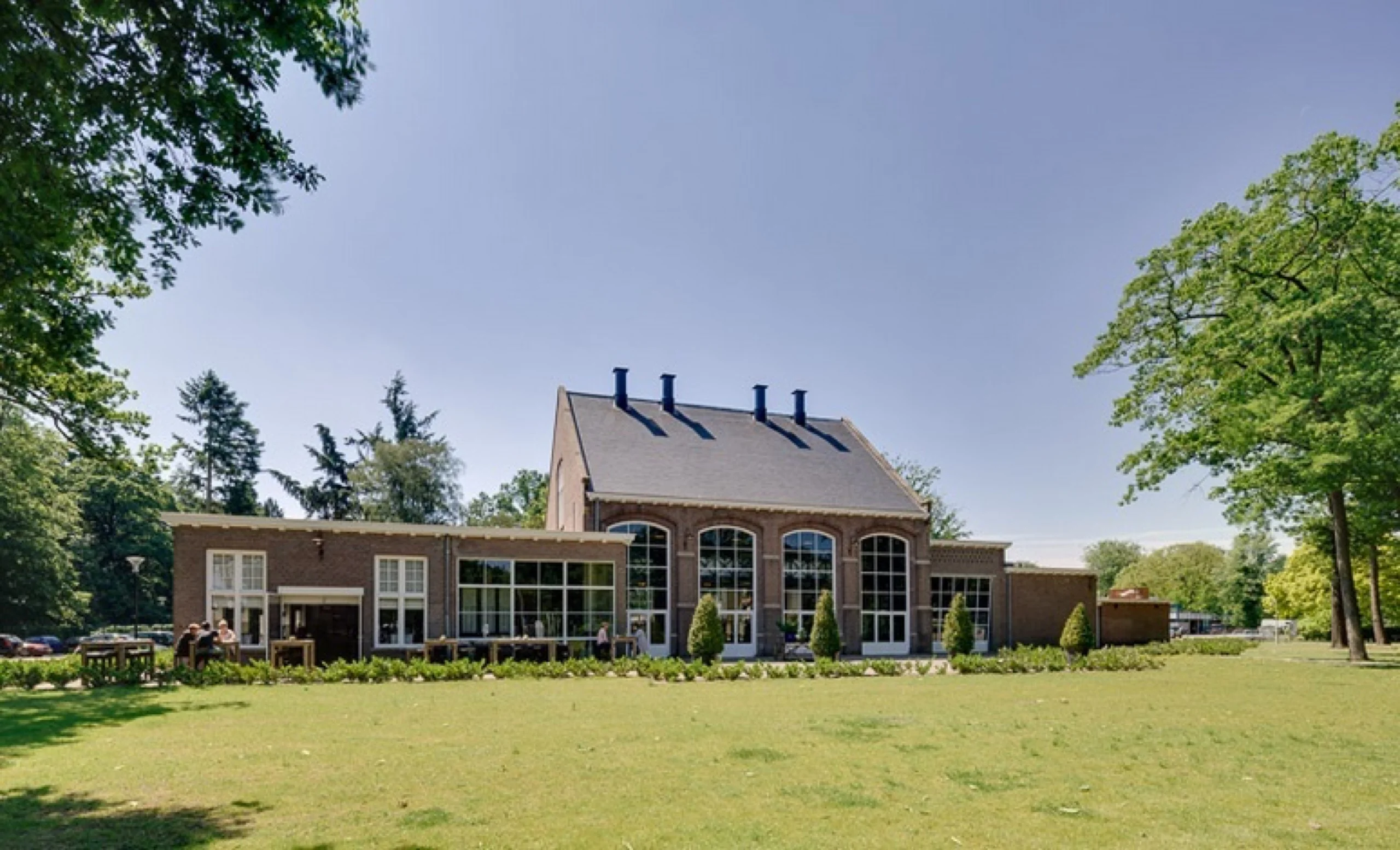
The venue is the starting point. Hosting in your own garden may save on venue hire, but you may need tents, toilets, refrigeration and flooring protection. An established event venue often already has power, kitchen facilities and furniture in place. The decision is similar to the approach outlined in planning a stylish party in Sint-Oedenrode: assess guest flow and available facilities first, then focus on the look and feel.
According to Statistics Netherlands (2024), 68.682 marriages took place in the Netherlands. That scale explains the wide choice of suppliers, but it does not make their quotes automatically comparable. One supplier may quote for food only, while another includes service staff, bar service, tableware and breakdown from the outset.
What affects the cost of wedding catering?
Wedding catering covers the complete delivery of food, drinks, preparation, service and food-safe logistics on the day. For 100 guests, it typically accounts for around €8.000 to €14.000 of the total budget. The final amount depends mainly on the dining style, the number of serving moments and the length of the event.
Venue and essential facilities
In practice, a venue often costs around €3.000 to €7.000, depending on exclusivity, hire duration and the facilities already available. Check whether furniture, kitchen space, cleaning, parking and the finishing time are included. Low venue hire can quickly become expensive if tents, portable toilets or a temporary kitchen are required.
Getting married at home may sound more affordable, but with 100 guests the maths often changes because of logistics and weather planning. This comparison between getting married at home and choosing an event venue can help you identify the tipping point based on space and facilities.
Dinner, drinks and service
A buffet generally requires fewer service hours than a plated dinner. A walking dinner encourages guests to mingle, while a seated dinner provides more structure and a calmer pace. Food trucks suit a relaxed setting, but you need enough service points to avoid queues for 100 guests.
For food, drinks and service combined, a practical range is usually around €100 to €170 per guest. The main differences come down to the duration of drinks service, number of courses, dietary requirements and late-night breakdown. Do not just ask what the menu costs. Ask how many chefs, event staff and bar hours have been budgeted.
Production, styling and event management
Production and styling are often seen as decorative extras. In reality, production determines whether speeches can be heard, whether the band has sufficient power and whether the transition from ceremony to party runs smoothly. A combined working budget for lighting, sound, décor, flowers and production support is typically around €4.000 to €8.000.
An integrated approach brings these elements together in one event schedule. Each time slot has a designated lead, required space and technical requirements. This means a change to the table layout does not force the service team, lighting plan and emergency routes to be reviewed separately.
Food safety also needs to be priced in. The NVWA requires caterers to use an approved hygiene code or their own HACCP plan that complies with Regulation 852/2004. This also applies to food prepared at home, including allergen management and pest control under the rules for hospitality, craft businesses and retail.
Is one all-in quote cheaper than using separate suppliers?
In practice, it is not simply about buying more cheaply. One all-in quote mainly reduces the budget gaps that arise between suppliers. For example, a tent supplier may provide power up to the tent, while the caterer assumes connection points are already available behind the prep tables.
The ranges below are indicative planning assumptions for an event with around 100 guests. They show where an integrated approach usually requires less coordination than separate supplier contracts.
| Aspect | Integrated approach | Separate suppliers |
|---|---|---|
| Points of contact | ✅ Usually 1 | ⚠️ Often 5 to 7 |
| Quotes | ✅ Typically 1 to 2 | ⚠️ Around 5 to 7 |
| Handovers | ✅ Approximately 2 to 4 | ❌ Often 8 to 12 |
| Budget contingency | ✅ Around 5 to 10% | ⚠️ Often 10 to 15% |
| Final planning | ✅ Usually 4 to 6 weeks | ⚠️ Often 8 to 12 weeks |
| Post-event invoices | ✅ Typically 1 to 3 | ❌ Often 5 to 8 |
When does bundling services make sense?
Bundling works particularly well when catering, furniture, production and styling all use the same space. Changing from round tables to long tables, for instance, affects walkways, table décor and speaker placement. One production manager can handle those knock-on effects in a single round of changes.
When do separate suppliers make sense?
Booking suppliers individually can work well when the venue provides almost everything and just one specialist element is missing. This could be a particular band or photographer who operates outside the wider event production. In that case, make sure someone is responsible for access, set-up times, power, meals and breakdown.
How can you compare quotes fairly?
Convert every quote into a cost per guest and a cost per event hour. A typical €120 per guest for six hours is structured very differently from around €150 per guest for twelve hours. Also check whether prices include VAT, transport, breakages, waste removal and staff meals.
Put this into practice:
- Use the same cost categories for every quote.
- Mark every missing item as still to be budgeted.
- Compare staff numbers and working hours.
- Calculate a total that includes a typical 5 to 10% contingency.
Which catering concept suits 100 guests and your budget?
A buffet, walking dinner and plated dinner can all fit within the same overall budget, but they allocate the money differently. A buffet typically puts more into food choice and less into service. A plated dinner usually requires more staff, tableware and a tighter kitchen schedule.
Choose a buffet if guests can move around freely and the venue can support two serving points. For 100 guests, it is best to plan multiple buffet lines or staggered table calls. A single serving point creates queues more easily and disrupts the event flow.
A walking dinner works well when networking and conversation matter more than a fixed seating plan. Provide enough cocktail tables and seats for guests who cannot stand for long. A practical guideline is usually one seat for around every two to three guests, depending on the age mix and duration of the event.
A plated dinner suits ceremonies, speeches and clearly defined moments. The schedule is less forgiving: a delayed photo session has an immediate impact on the kitchen and service team. It is therefore wise to allow around 15 to 30 minutes of flexibility between key parts of the programme.
For corporate clients, brand experience is an added consideration. Brand colours, signage and presentation can be used purposefully without making the setting feel like an exhibition stand. The approach to catering in Eindhoven shows which production elements are needed on site alongside the menu.
Frequently asked questions
How much does a complete wedding for 100 guests cost?
The total budget is typically between €18.000 and €32.000. Of this, around €8.000 to €14.000 usually goes towards food, drinks and service. Add the venue, production, styling and a typical 5 to 10% contingency before finalising your budget.
How much does wedding catering cost per person?
The cost per guest for food, drinks and service is usually around €100 to €170. A buffet often sits at the lower end, while a plated dinner with a longer drinks service will cost more. Always compare the number of hours and included staff.
Is a buffet cheaper than a walking dinner?
Service requirements usually make a buffet more cost-effective, but only if the venue has suitable serving points. With around 100 guests, you often need multiple lines or staggered calls. Additional equipment and staff can narrow the initial price difference.
When should wedding catering be finalised?
Planning should ideally begin several months before the wedding date, depending on the venue and season. Finalise the guest count 10 to 14 days beforehand in most cases, and confirm allergens and dietary requirements at the same time. Check which changes can still be made after that point and whether they incur additional charges.
How can La Casserole help with a wedding for 100 guests?
One production plan combines catering, styling, production, rentals and project management. This places responsibilities, staffing hours and required facilities in the same budget. It reduces separate handovers and makes the financial impact of changes visible sooner.
Conclusion
A realistic cost for a wedding with 100 guests only emerges when the venue, food, drinks, staffing, production, styling and event management are budgeted together. Using a corporate event as a frame of reference helps you look beyond the price per plate. Staffing hours, missing facilities and changes are often what separate an attractive quote from the final invoice.
The smartest next step is not choosing a menu, but setting up a fixed cost structure. This makes buffets, walking dinners, plated dinners and food trucks comparable on the same basis. It may not guarantee the cheapest day, but it will give you a budget that reflects the full delivery.
Put this into practice:
- Decide on the venue, duration and guest count first.
- Then request one budget for each fixed cost category.
- Check HACCP, the allergen process and a weather contingency plan.
- Schedule a budget review around 6 to 8 weeks beforehand.
About La Casserole
La Casserole is a full-service event partner based in Best, with more than 40 years of experience and over a thousand events delivered. The company combines catering, styling, production, rentals and project management for corporate events and private celebrations, both at its own venues in Brabant and at external locations.
Looking to host a stylish event in Brabant? Let us handle it!
Sources
- NVWA-regels voor HACCP — Nvwa
- Centraal Bureau voor de Statistiek — Cbs
- Huwen; huwelijkssluitingen en huwende personen naar diverse kenmerken — Centraal Bureau voor de Statistiek
- HACCP — Nederlandse Voedsel- en Warenautoriteit
- Voedselveiligheidsplan of hygiënecode voor horeca en ambachtelijke bedrijven — Nederlandse Voedsel- en Warenautoriteit
- Voedselveiligheid in horeca, ambacht en retail — Nederlandse Voedsel- en Warenautoriteit