

La Casserole regularly sees the same issue with Brainport companies and couples planning weddings in Eindhoven: the venue is chosen for its look and feel, while the operational side gets checked too late. In reality, capacity planning, the venue’s catering policy and the available technical facilities are what determine whether an event runs smoothly. In North Brabant alone, there are more than 69 unique event venues to choose from, ranging from industrial heritage sites to country estates. In this article, we break down what really matters so you can make a well-founded decision from the start.
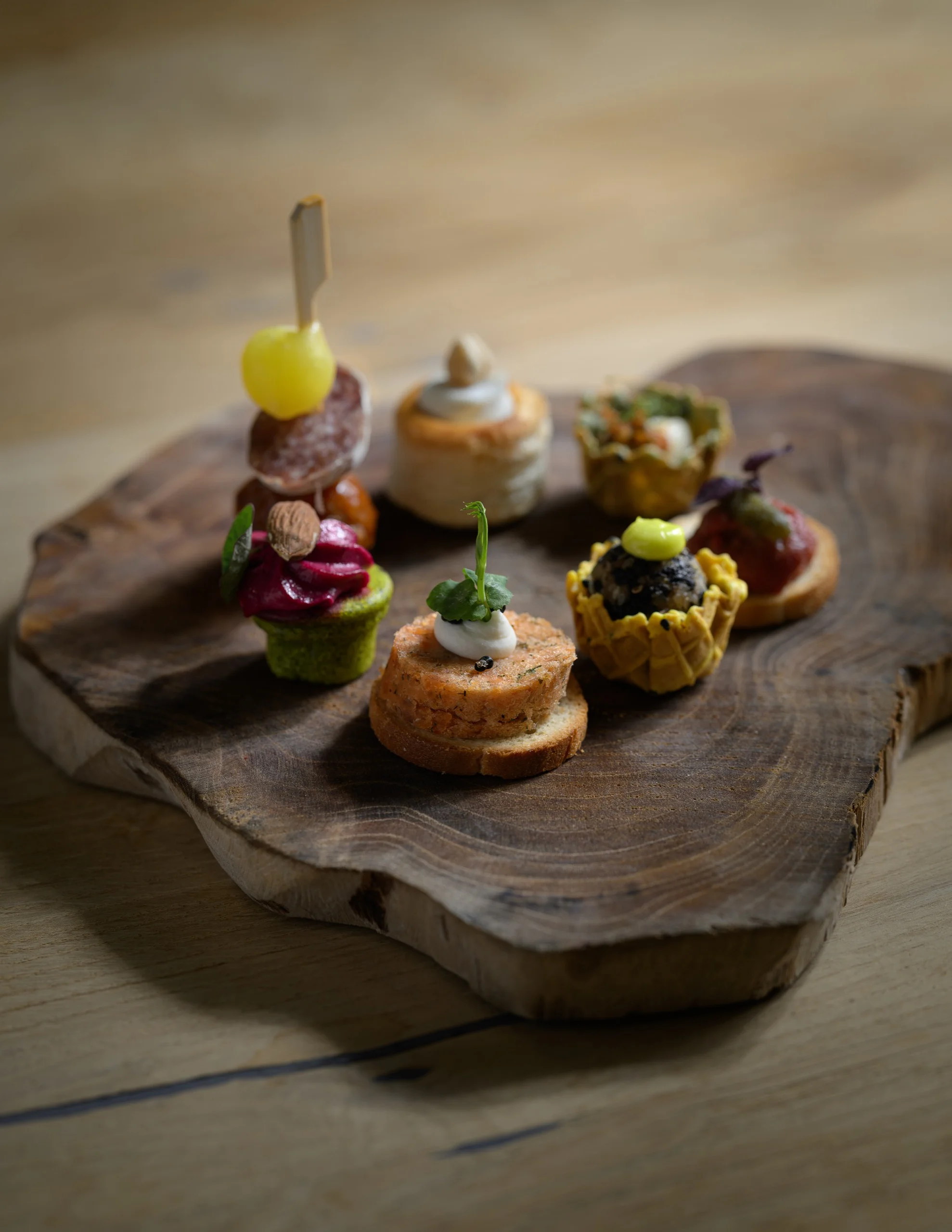
- North Brabant offers more than 69 distinctive event venues, from industrial heritage buildings to elegant country estates.
- For a standing drinks reception, you typically need 1 to 1.2 m² per guest; for a seated dinner, that usually rises to 1 to 1.5 m² depending on the table layout and service style.
- Many fixed venues in Eindhoven do not allow outside catering, which means you are required to use the venue’s in-house caterer.
- An external caterer such as La Casserole is ideal if you choose your own venue or if the in-house catering does not match the level of quality you want.
- For popular venues and dates, it is best to book at least six to twelve months in advance, especially around holidays and during the summer season.
Introduction
La Casserole sees the same pattern again and again with corporate clients and wedding couples: the venue is chosen based on instinct and photography first, and only afterwards do people discover whether the catering, technical setup and logistics actually fit. That order of decisions can cost time, money and, in some cases, the atmosphere of the entire event. (Services)
The Eindhoven region offers plenty of variety, from characterful country estates and industrial loft spaces to private castles and modern conference venues. Feestjegeven.nl shows that prices in North Brabant range from around €500 for a small drinks event to €5.000 or more for a large party or wedding, excluding catering and technical production. With that kind of spread, comparing venues becomes difficult unless you know which criteria genuinely matter.
This article helps you focus on those criteria. Not as a generic checklist, but through the practical experience La Casserole has built over more than forty years and more than a thousand organised events. You will see what planners most often overlook, why the traditional way of choosing a venue falls short, and which approach consistently leads to better outcomes for corporate events, weddings and private celebrations alike.
Where Things Start to Go Wrong: The Three Blind Spots in Venue Selection
There are three common pitfalls in venue selection, and they usually only become visible once planning is already well underway. Spot them early, and you can avoid the most common sources of stress.
Capacity Is More Than a Number on a Spec Sheet
A room with a stated maximum capacity of 200 guests may sound generous for a group of 150. But once you add a DJ booth, a buffet setup, a few standing tables for drinks and clear service routes for staff, the space can suddenly feel tight. DOK149 puts it well: “Capacity is more than a number on paper. It is about the combination of guest numbers, layout, circulation routes, bars and stages.”
Rules of thumb La Casserole uses when assessing venues:
- Standing drinks reception: typically 1 to 1.2 m² per guest, plus extra space for a bar, food stations and a stage.
- Theatre layout: allow roughly 0.5 to 0.7 m² per guest depending on stage depth.
- Seated dinner: 1 to 1.5 m² per guest, with service aisles of at least 1 metre.
A venue that is too large for a small group can work against the intimate atmosphere you want. One that is too tight will make the evening feel crowded and uncomfortable. A good rule is to plan for at least 10 to 15 percent spare capacity above your expected guest count, so you have room for last-minute additions.
Catering Policy: The Clause Nobody Reads Properly
Of all the surprises that come up during venue negotiations, the catering policy is often the most consequential. DNLS.nl states explicitly for several venues in Eindhoven: “Outside catering is not possible.” In practice, that means you are required to use the venue’s in-house caterer, whether or not that fits your quality standards or creative vision.
This matters especially for corporate events where food is part of the brand experience, or for weddings where a particular menu or chef is central to the day. If you do not ask about this early, you may later face a simple but frustrating choice: walk away from the venue or settle for catering that is not what you had in mind.
At private venues, marquee events on your own grounds or outdoor locations, this restriction often does not apply. That is exactly where a partner such as La Casserole adds value: when venue and catering are aligned from the outset, the result is one coherent culinary concept rather than a compromise.
Food Safety: The Legal Requirement People Overlook More Often Than You’d Think
Any caterer hired for your event, whether it is a corporate function or a private celebration, is legally required to work with a HACCP food safety plan. According to the Netherlands Food and Consumer Product Safety Authority (NVWA), this requirement applies to anyone preparing and selling food several times a year, including at events. The NVWA monitors compliance and can issue warnings or fines in the event of breaches.
In addition, caterers must inform clients about allergens in unpackaged products, according to the Dutch government’s Ondernemersplein. This can be done via menus or verbally, but it must always be demonstrable. So before signing anything, always ask a prospective caterer for their HACCP documentation. If you skip this step during venue selection, you may still end up sharing responsibility for the consequences.
What to do next:
- Ask every venue directly: what is the catering policy here? Is an outside caterer allowed, yes or no?
- Calculate capacity by room layout on the floor plan, not just by the venue’s maximum guest number.
- Ask every external caterer for their HACCP plan and allergen policy before signing.
- Check whether the venue’s environmental permit suits your event type, including music, finish time and indoor or outdoor use.
Why the Traditional Venue Search Falls Short
The classic way to choose an event venue is simple: create a shortlist based on photos, book a viewing, request a quote and decide on price. That may work for a basic meeting room. For any event with real scale or complexity, it usually falls short in four key areas.
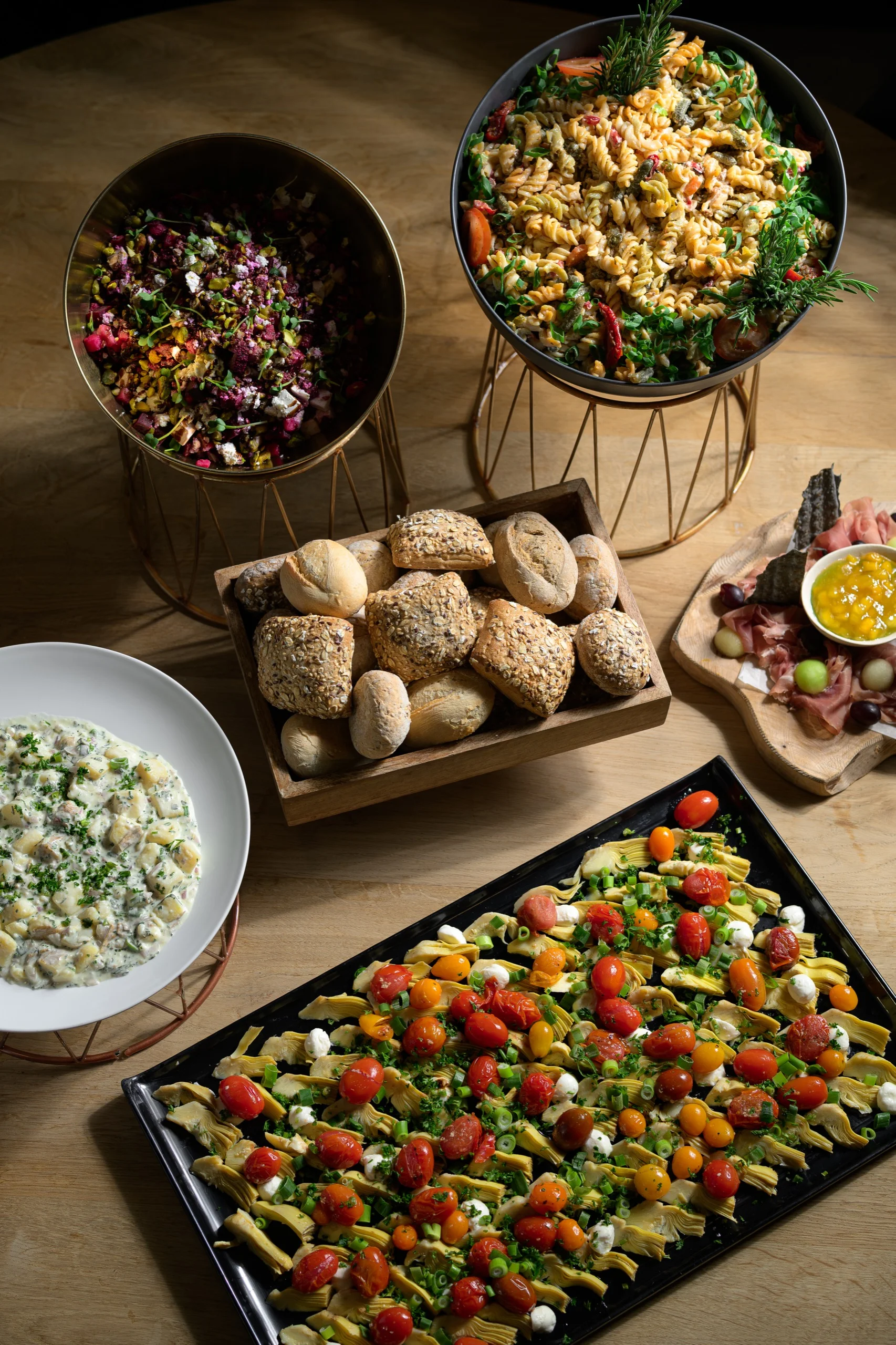
The Goal of the Event Drives Everything, Yet It Is Rarely Defined First
Before you look at capacity, atmosphere or price, ask one question: what does this event need to achieve? Are you trying to inspire, connect, celebrate or sell? A product launch needs clean sightlines and dependable technical production. An anniversary party needs a smooth flow between drinks, dinner and the dance floor. A conference needs breakout rooms, registration points and reliable wifi. If you start the venue search without answering this question, you end up evaluating spaces against criteria that may not actually matter for your event.
La Casserole sees this all the time with new clients: the objective of the event has never been written down, the venue’s atmosphere becomes the starting point, and the programme is then built around that. The result is an event that suits the venue, but not necessarily the guests.
Separate Suppliers Cost More Than They Appear To Save
You hire a venue, then bring in a caterer, then source a technical partner, then book a stylist. Each supplier may be good in their own right, but the coordination between them lands squarely on the client. In practice, that is exactly where the most common mistakes happen: setup schedules, power requirements, room layouts and briefing moments slip through the cracks.
Also read why one event partner is more efficient than working with multiple suppliers for a deeper look at this coordination challenge.
Accessibility Is Underestimated Until Guests Start Dropping Out
De Tinfabriek describes accessibility as one of the most important criteria: “A venue near major motorways and public transport significantly increases attendance.” For a staff party, a travel time of around one hour is usually the upper limit for most employees. For a multi-day brainstorming retreat, that can stretch to two to four hours.
The Eindhoven region performs well on this point. With direct connections to the A2, A50 and A58, plus Eindhoven Airport nearby, most venues in and around the city are easy to reach from elsewhere in the Netherlands. Even so, always verify parking for yourself, especially at city-centre venues or industrial sites where parking may be limited.
What to do next:
- Define the event objective in writing before you visit any venue. Use it as your filter, not the other way around.
- Ask for a floor plan with an indicative layout and any additional charges for technical production, cleaning and overtime.
- Test the route to the venue at the same time your event will take place. Daylight and acoustics can feel very different in the evening.
- Check parking capacity against the number of guests expected to arrive by car.
A Smarter Approach: Treat Venue and Delivery as One Decision
The most effective approach, used by experienced event planners and applied systematically by La Casserole, is to treat venue selection and event delivery as one integrated decision, not two separate steps.
Start With the Programme, Not the Space
A clear run sheet, even in rough draft form, makes venue selection far more objective. How much space do you need for registration? Will it be a walking dinner or a seated dinner? Do you need breakout rooms? Is there an on-site catering kitchen, or does one need to be brought in? These questions create a practical requirements profile you can use to assess venues properly.
La Casserole’s experience shows that events with a run sheet drafted first usually require far less adjustment after the venue has been chosen. It is the events that begin with the venue as the starting point that most often end up needing changes to the programme and catering afterwards.
For corporate events, the article on organising conferences in Brabant is a useful next step in this planning process.
In-House Venues as a Benchmark for What an All-in-One Solution Delivers
La Casserole has its own event venues in Brabant: Kasteel Henkenshage in Sint-Oedenrode and Het Ketelhuis in Eindhoven. Both are designed for a range of event formats, from intimate private dining to weddings and larger corporate celebrations. The advantage of these in-house venues is not just the setting itself. Catering, styling, technical production, furniture and project management are all brought together under one point of contact, so the client does not have to manage multiple suppliers.
In practice, that integration does not just save time. It also improves quality control. When the caterer and the event manager are part of the same organisation, the usual noise between briefing and execution disappears. La Casserole’s catering in Eindhoven approach, which can serve events from 20 to 2.000 guests from its own castle kitchen, is a practical example of how that works.
Comparison Table: Separate Suppliers vs One Event Partner
| Criterion | Separate Suppliers | Full-Service Partner (such as La Casserole) |
|---|---|---|
| Coordination pressure on the client | High (3-6 contacts) | Low (1 point of contact) |
| Risk of misalignment | Usually higher | Usually lower |
| Flexibility if the programme changes | Limited (separate contracts) | Greater (handled internally) |
| Cost transparency | Spread across multiple quotes | Combined in one quote |
| Catering quality control | Depends on external caterer | In-house kitchen and team |
| Lead time from concept to quote | Often 2-4 weeks (multiple rounds) | Often 1-2 weeks (internal) |
What to do next:
- Write a draft run sheet with the order of the programme before you view venues.
- Ask each venue whether catering is in-house only, handled by a preferred caterer or open to external caterers.
- Compare not just venue hire, but the full cost including catering, technical production and staff.
- Consider a full-service partner if your event is less than four months away.
Practical Tips: From Shortlist to Confirmation
Building your shortlist is where theory turns into action. These are the steps that save the most time.
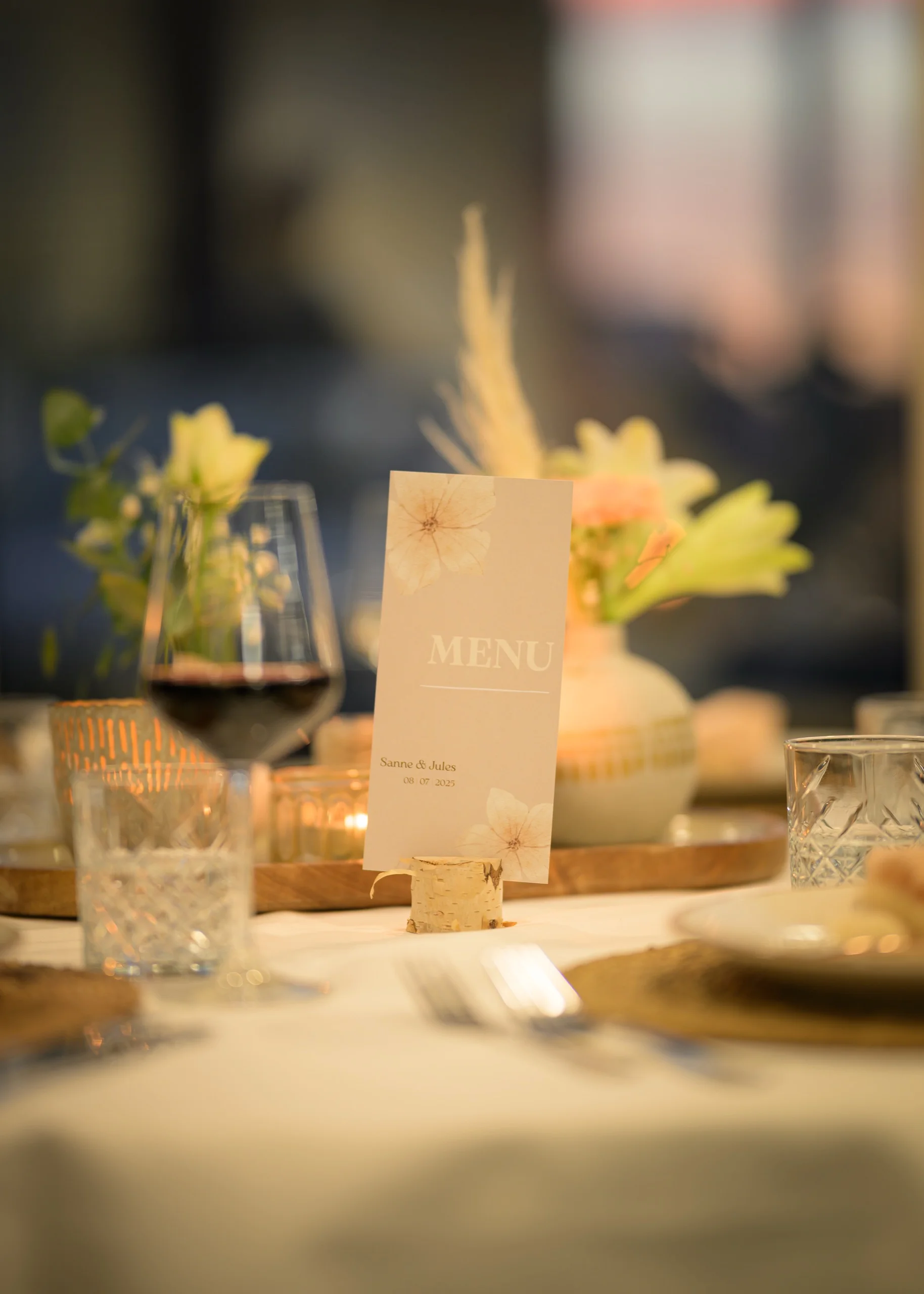
Venue Visits: What You Actually Need to Check
A venue viewing is only useful if you do it at the right time of day. Daylight and acoustics can feel completely different in the evening. Ask whether you can visit at the same time your event will take place, ideally while another event is happening so you can get a realistic sense of the room’s possibilities and limitations.
During the visit, pay attention to sightlines from every part of the room, acoustics under different layouts, the location of the kitchen entrance and service route in relation to the dining area, and the number of toilets for your expected guest count. These are the details that never show up properly in photos but have a major impact on the guest experience.
Booking Timelines and Cancellation Terms
Popular venues in the Eindhoven region can be fully booked up to a year in advance, especially around holidays and in the summer months. If you start too late, you lose your first-choice options. As a rule of thumb, begin venue research at least six months before the event, and earlier for weddings and larger corporate events.
Always request the cancellation and payment terms before signing. Many venues work with a sliding scale where cancelling within three months of the event means losing a substantial part of the fee. Combine that with your caterer’s terms and you will have a much clearer picture of your financial risk.
If you are looking for a fully catered and private dining experience as an alternative to a large event hall, private dining in Brabant may also be worth considering for smaller groups.
What to do next:
- Build a shortlist of three to five venues based on capacity, catering policy and accessibility.
- Schedule each visit for the same time of day your event will take place, not just a random weekday slot.
- Ask every venue for cancellation terms, technical surcharges and any curfews or closing-time restrictions.
- Only confirm the booking once the catering policy, environmental permit and technical setup have all been verified.
Frequently Asked Questions
How do I choose the right event venue in Eindhoven?
Choosing the right event venue starts with defining your event objective, expected guest count and preferred catering concept. Only then should you assess capacity based on the actual layout you need. For a drinks reception, you generally allow 1 to 1.2 m² per guest; for a seated dinner, 1 to 1.5 m². Always ask for the venue’s catering policy before seriously considering it, because many venues in Eindhoven do not allow outside catering. The best approach is to compare capacity, catering flexibility and accessibility in one decision-making framework before booking viewings.
What does an event venue cost in North Brabant?
Venue hire costs in North Brabant vary widely depending on the venue size, type and included facilities. Feestjegeven.nl indicates that prices range from around €500 for a small drinks event to €5.000 and above for a large party or wedding, excluding catering and technical production. Always ask for a total quote including catering, staffing, technical setup and cleaning so you can make a fair comparison. In many cases, a bundled quote from a full-service partner is easier to assess than three separate supplier quotes.
What types of event venues are available in the Eindhoven region?
North Brabant has more than 69 unique event venues available, ranging from industrial heritage sites and castles to country estates and modern conference centres. La Casserole has its own venues in the region: Kasteel Henkenshage in Sint-Oedenrode and Het Ketelhuis in Eindhoven, both suitable for a wide range of event formats from 20 guests to several hundred. In addition to its own venues, La Casserole also supports events at client locations or external venues where outside catering is permitted.
How far in advance should I book an event venue?
Popular event venues in the Eindhoven region are often booked six to twelve months ahead, especially around holidays and during summer. For corporate events, four to six months is a sensible minimum; for weddings, booking even earlier is strongly advised. Start your search sooner than you think you need to. Once the venue is secured, the rest of the planning can move forward in parallel.
How does La Casserole help with choosing and setting up an event venue?
La Casserole combines venue selection and event delivery into one complete solution for both corporate events and private celebrations. With more than forty years of experience and over a thousand organised events, La Casserole starts with a draft run sheet as the basis for venue selection, including capacity planning, catering concept and a technical review. At venues such as Kasteel Henkenshage and Het Ketelhuis, catering, styling, furniture and project management are all handled through one point of contact. At external venues, La Casserole acts as catering and logistics partner, provided the venue’s catering policy allows it.
Conclusion
Choosing an event venue in Eindhoven or the surrounding area is not something you should do based on photos and first impressions alone. Capacity by layout, the venue’s catering policy, food safety obligations and the coordination burden of separate suppliers are the factors that make the difference in practice between a smooth-running event and a stressful planning process.
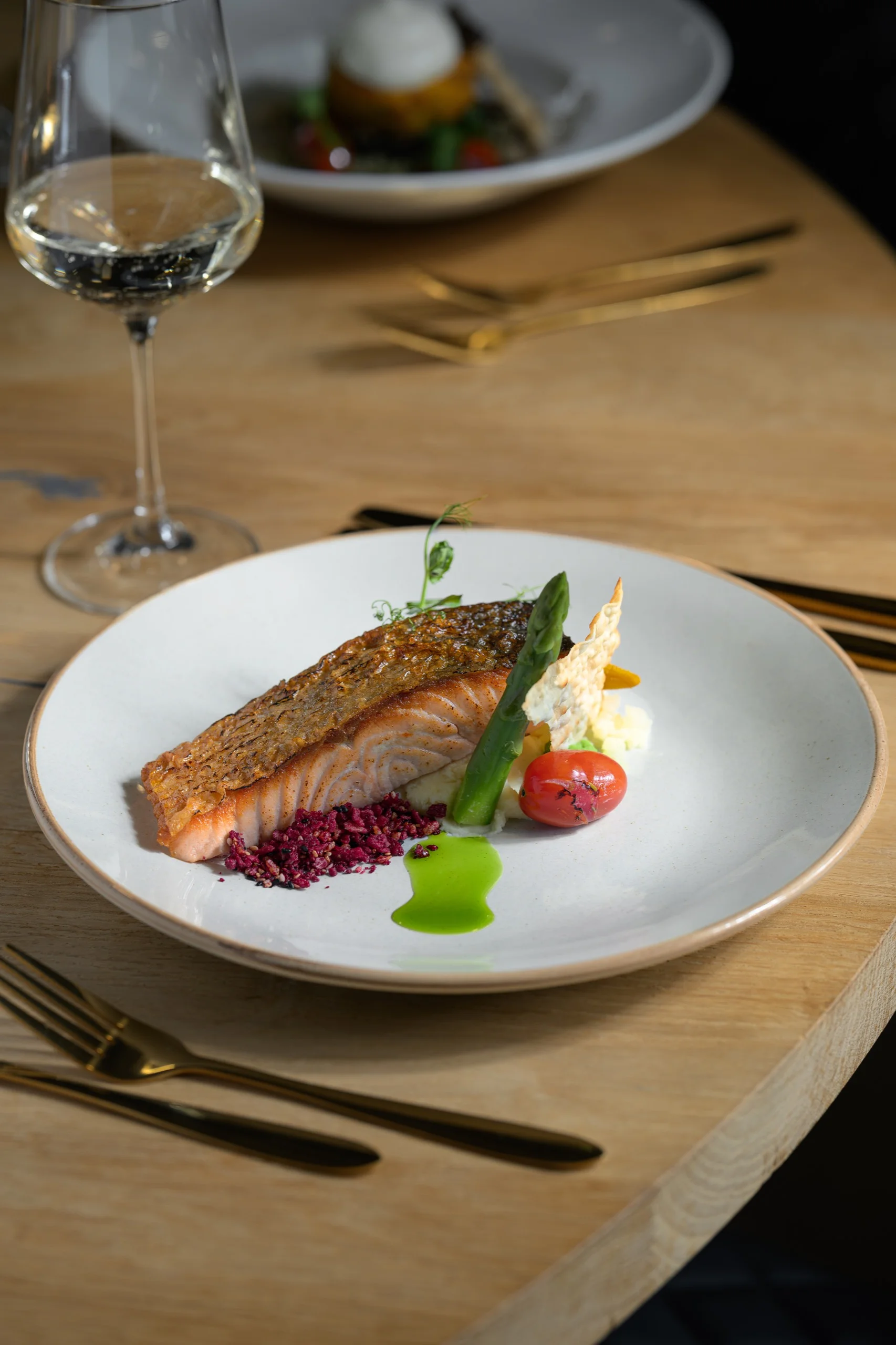
The approach La Casserole uses starts with the run sheet and the event objective, not the room itself. That allows clients to assess a venue based on what truly matters: does the space fit the programme, does the catering policy support the concept, and does the partner match the quality level you want?
If you want to simplify the process, La Casserole offers a partner that brings venue, catering, styling and technical production together as one complete package. You can find more about the full approach on the La Casserole overview page.
Looking to host a stylish event in Brabant? Let us handle it!
Sources
- Feestjegeven.nl — Feestjegeven
- DOK149 — Dok149
- DNLS.nl — Dnls
- Nederlandse Voedsel- en Warenautoriteit (NVWA) — Nvwa
- Ondernemersplein van de Rijksoverheid — Ondernemersplein
- De Tinfabriek — Detinfabriek
- Evenementenlocatie Eindhoven kiezen – waar moet je op letten? — DOK149
- De 10 beste Evenementenlocaties in regio Noord-Brabant — Eventplanner.net