

To get your company party budget approved by senior management, you need three things: a per-employee cost rather than one headline figure, a calculation of the event’s net cost under the Dutch Work-related Costs Scheme, and a clear business objective the spend supports. A polished mood board rarely wins the argument on its own. A budget that shows what happens when the tax-free allowance has been used up, which costs are fixed, and where you still have room to adjust is far more persuasive. That turns a wish list into a proposal management can actually approve.
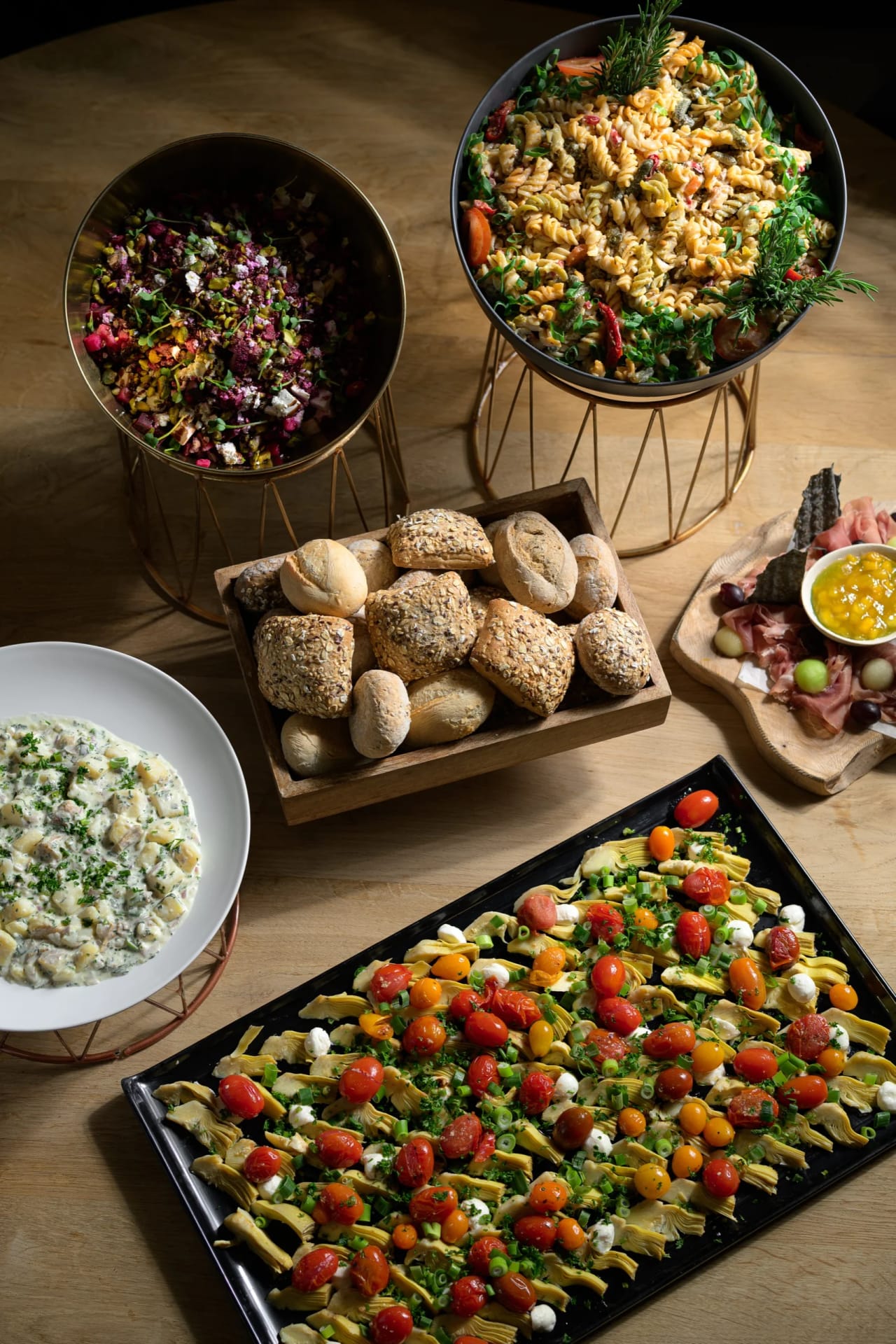
Why is management not approving your party budget?
Usually, the problem is not the amount itself. It is the unanswered questions around it. An HR manager asking for “€10,000 for the company party” will typically be asked three things: what will it achieve, can we do it for less, and what are the tax implications? Without clear answers, the budget often gets cut based on gut feeling. (Services)
There is another factor. A party comes from the same budget pot as expenses management may see as more essential. In its business statistics, CBS includes company parties under other employee costs, alongside training, canteen facilities, occupational health services, and workwear. A controller is therefore comparing your event with a training budget or new uniforms. Position it as an employee benefit with a specific purpose, rather than an optional extra.
Hidden costs are the third stumbling block. Transport, additional staff, technical equipment, VAT, and a possible final levy often only emerge once the quotes arrive. If you have to increase your budget halfway through, it will be harder to win trust for the next proposal.
Which tax rules determine the real cost of a company party?
A €9,000 party may cost the employer €9,000, or more than €16,000. The difference comes down to the Dutch Work-related Costs Scheme. According to FNV, the tax-free allowance in 2026 is 2% of the taxable payroll up to and including €400,000, and 1.18% on the amount above that. Spending within this allowance is tax-free. If you exceed it, Techniek Nederland states that you pay an 80% final levy on the excess.
An example makes this clearer. Say a company has 80 employees and a taxable payroll of €3,600,000. The tax-free allowance is €8,000 (2% of €400,000), plus €37,760 (1.18% of €3,200,000), for a total of €45,760. If Christmas hampers, anniversary gifts, and a bike scheme have already used most of that amount, a party can easily push you over the limit. Every euro above the allowance then costs €1.80.
The venue also matters. Techniek Nederland explains that a party held at the workplace is valued at zero for tax purposes, so it does not reduce the tax-free allowance. If you hold the party at an external venue, the costs count as taxable pay and do reduce the allowance. An off-site party may therefore look cheaper on paper but cost more overall, even though employees often see it as a greater gesture of appreciation.
VAT has a separate threshold. Under the Dutch VAT deduction exclusion rules, the Belastingdienst states that you can only reclaim VAT on employee benefits, such as a party at your own venue, if all such benefits together cost no more than €227 excluding VAT per employee per year. This amount is set out in the Besluit uitsluiting aftrek omzetbelasting 1968. Remember, the limit applies to all employee benefits combined, not just the party. Ask your accountant to confirm how the rules apply to your situation.
How do you justify a company party budget in 5 steps?
This order works because each step answers a management question before it is even asked.
1. Find out how much tax-free allowance is left
Start with payroll or your controller, not the caterer. Ask how much allowance remains for the year after fixed benefits such as Christmas hampers and gift vouchers. That figure tells you whether each euro spent on your party will cost a net €1 or €1.80. Few HR proposals start here, which is exactly why it stands out.
2. Convert the total into a cost per employee
€9,000 may sound substantial. €112.50 per employee per year sounds like a standard employee benefit. Compare that amount with other benefits. For the usual business practice test, SimpeleLoonstrook notes that benefits up to €2,400 per employee per year are, in any event, generally considered customary by the Belastingdienst. A company party sits well below that level.
3. Link the party to an objective management already cares about
Use the language from the annual plan. Is employee retention a priority, or do two teams need to reconnect after a reorganisation? In that case, the party is a tool, not simply a reward. Agree on how you will measure the result, for example through attendance figures and a short three-question survey afterwards. For the event itself, these choices around atmosphere, attendance, and the guest experience at a company party can help you turn that goal into a practical plan.
4. Present three options side by side
One proposal invites a yes or no answer. Three proposals create a choice. Build a basic option (drinks and canapés), a recommended option (dinner, drinks, and music), and a premium option (including entertainment, styling, or transport). Show what is removed in each version. Management teams often choose the middle option, so make that the event you genuinely want to deliver.
5. Use an all-inclusive quote and build in contingency
Request quotes that include staff, technical equipment, transport, tableware, and VAT. Individual suppliers can look cheaper line by line, yet cost more when added together. This guide to comparing catering by cost per guest, including all additional costs explains how to compare quotes fairly. Also set aside a contingency fund, typically around 5 to 10% of the total, for late registrations or an extra hour of service.

What should a company party budget include?
A budget that management can scan in two minutes should fit on a single A4 page. If you first need to map out the event itself, this approach to planning a stylish party will help you list every element. Then check your budget against the following list.
Company party budget checklist:
- Guest numbers and assumptions: State whether partners are invited and what attendance rate you expect, as this will drive most of the cost.
- Cost per guest including staff: Food without service staff and set-up costs will understate the real cost.
- A separate drinks budget: An hourly drinks package is more predictable than paying afterwards based on consumption.
- The venue and what is included: Venue hire, cleaning, furniture, and closing times vary by space and should appear on one line.
- Technical equipment and entertainment: Sound, lighting, and a DJ or band are rarely included as standard at an external venue.
- VAT and final levy as separate lines: This lets management see the party’s true net cost straight away.
- Transport and, where relevant, accommodation: For venues outside the city, these are often overlooked costs that end up in another department’s budget.
- Contingency and the deadline for changes: Record the final date for changing guest numbers without incurring charges.
Which mistakes make a party budget harder to defend?
The most common mistake is presenting figures excluding VAT when management is thinking in VAT-inclusive amounts. Caterers and venues often quote business prices excluding VAT. If you do not make that clear, the budget can suddenly appear to increase later on. State clearly at the top of your budget which basis you are using.

The second mistake is budgeting for maximum attendance without agreeing the terms with suppliers. Caterers generally charge for an agreed guest number, with a deadline for changes. If you register 80 guests and 65 attend, you will often still pay for 80. Budget for a realistic attendance rate, then agree a minimum number and a final amendment date.
The third mistake is checking the Work-related Costs Scheme only after the event. If payroll discovers in December that the allowance has been exceeded, the final levy may come from a different annual budget than the party itself. That is a conversation you want to avoid, particularly because it can affect your next proposal.
The fourth mistake is spending too much of the budget on one showstopping feature. A costly act paired with too little food or too few serving staff will mostly generate complaints. Start with food, drinks, and a smooth flow to the evening, then add extras.
The fifth mistake is overlooking sustainability and legal requirements. Reusable tableware is legally required at events and can become a separate expense when you use individual suppliers. Find out more in this article on what clients expect from a sustainable event.
Frequently asked questions
What is a typical company party budget per employee?
The budget per employee depends heavily on the format. In practice, drinks and canapés often cost around €30 to €60 per person, while an evening with dinner, drinks, service staff, and music usually falls between €75 and €150. Always request a quote that includes staff and VAT, so you know exactly where your plan stands.
Does a company party always fall under the Dutch Work-related Costs Scheme?
The Work-related Costs Scheme applies, but the way the party is treated depends on the venue. At the workplace, it is valued at zero for tax purposes and does not reduce the tax-free allowance. At an external venue, the costs do count, which can trigger an 80% final levy if the allowance is already fully used.
Can I reclaim VAT on a company party?
VAT recovery on employee benefits is restricted by the €227 excluding VAT threshold per employee per year. That threshold applies to all benefits combined, so Christmas hampers and gifts count too. Ask your accountant to calculate in advance whether you will remain below the limit.
What should you do if management gives you a smaller budget?
Cutting by scenario works better than trimming a little from every line. Choose the option that fits the revised amount and show exactly which elements will be removed. This protects the quality of the food and service, while ensuring everyone knows what employees will and will not receive.
Should partners be included in the budget?
Inviting partners can almost double the guest count and, with it, a large part of the cost. Put that decision to management as a separate option. Also check how the costs for partners are treated for tax purposes, as they may count towards the tax-free allowance too.
Calculate the per-employee and net cost, then management can make a decision
To make a strong case for a company party budget, present a cost per employee, calculate the Work-related Costs Scheme and VAT implications in advance, and give management three options to choose from. Once you have an all-inclusive quote, there is very little left to debate.

La Casserole delivers company parties from catering and styling to technical equipment and furniture, with one dedicated point of contact and its own event venues in Brabant. A quote that already includes the additional costs makes your budget easier to defend. Request a quote for your company party or corporate catering in Brabant and take it to your next management meeting.
Looking to host a stylish event in Brabant? Let us handle it!
Sources
- CBS — Cbs
- FNV — Fnv
- Techniek Nederland — Technieknederland
- Belastingdienst
- Besluit uitsluiting aftrek omzetbelasting 1968 — Wetten
- SimpeleLoonstrook — Simpeleloonstrook
- Werkkostenregeling (WKR) — FNV
- Werkkostenregeling (WKR) 2026 — Techniek Nederland