

At a glance
A catered dinner for 50 guests in 2026 typically costs €40 to €150 per person, which puts the total budget at roughly €2,000 to €7,500. Where you land in that range depends on the format you choose, buffet, walking dinner, or seated dinner, the level of service, and whether venue hire, equipment, and styling are included. For a dinner for 50 in 2026, rising labor costs and inflation are pushing prices slightly higher than in previous years.
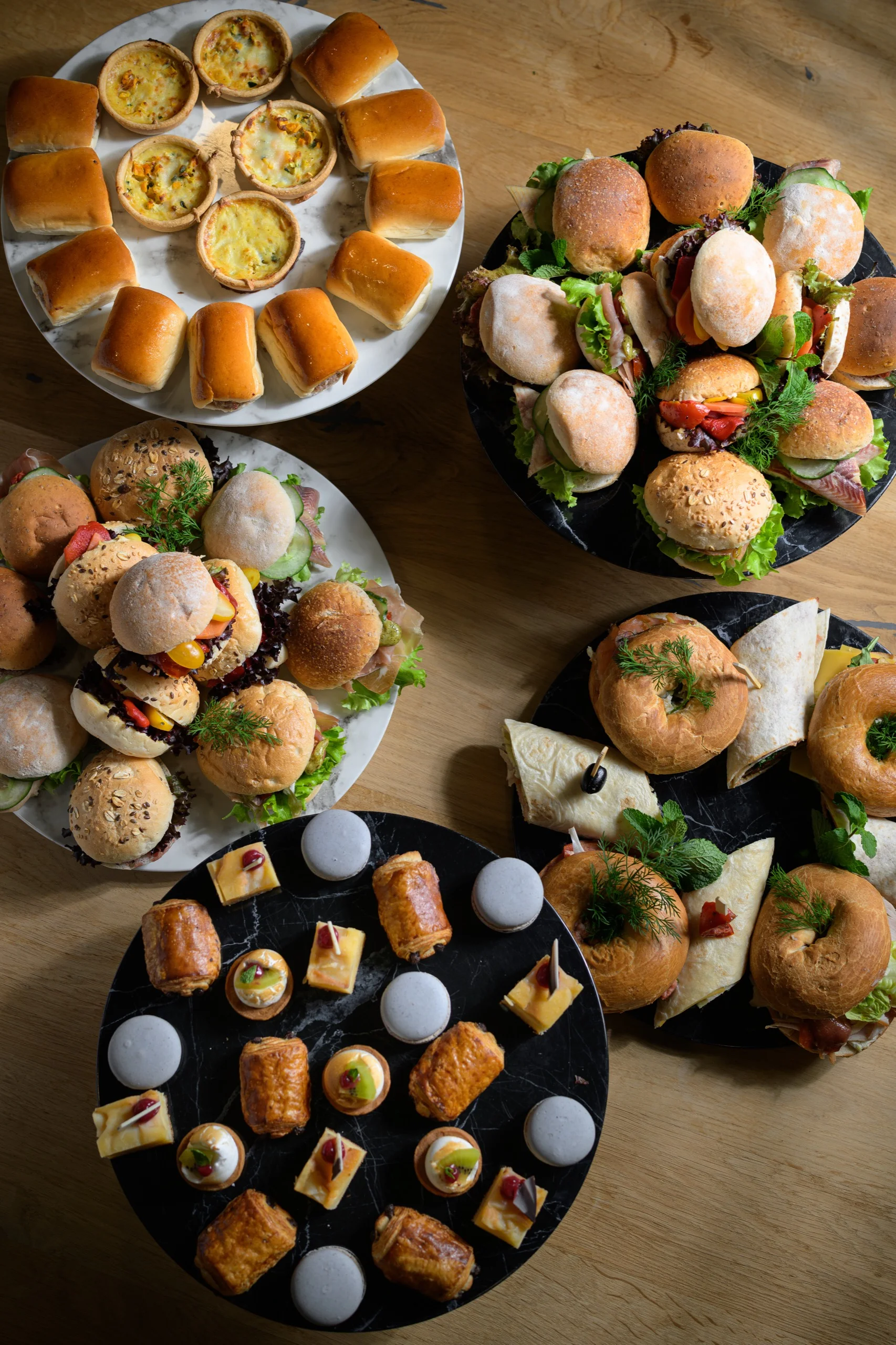
- Buffet or drinks-and-bites setup: usually €40 to €70 per guest, including basic service
- Walking dinner: often €55 to €95 per guest, depending on the number of courses
- Seated dinner with table service: usually €75 to €150 per guest
- Staffing has a major impact: the hospitality minimum wage rises to €14.99 per hour from 1 July 2026
- Separate suppliers versus one event partner: one central point of contact typically saves three to five coordination touchpoints
Introduction
La Casserole sees the same confusion come up again and again in requests for dinners of around 50 guests: a client asks for one price per head, then gets five completely different quotes from five caterers. One comes in at €45, another at €130, and no one really explains why. (Services)
That gap is not random. It comes down to choices made early in the planning process: are you going with a buffet or a plated dinner? Is service priced separately, or built into the rate? Are you hiring a venue, or hosting it at home in the garden? Fifty guests is exactly the point where those choices start to matter, because it is too many to cook for yourself, but not enough to benefit from real economies of scale.
This guide breaks down the cost by component, explains the market trends shaping prices in 2026, and gives you a practical framework for comparing quotes properly. If you are planning a full event in the region, this guide to hosting a stylish party in Sint-Oedenrode is a useful next step.
Where does your budget actually go for 50 guests?
A cheap quote and an expensive quote can include exactly the same dishes. The difference is often not the food itself, but everything around it. That is the first thing to look at.
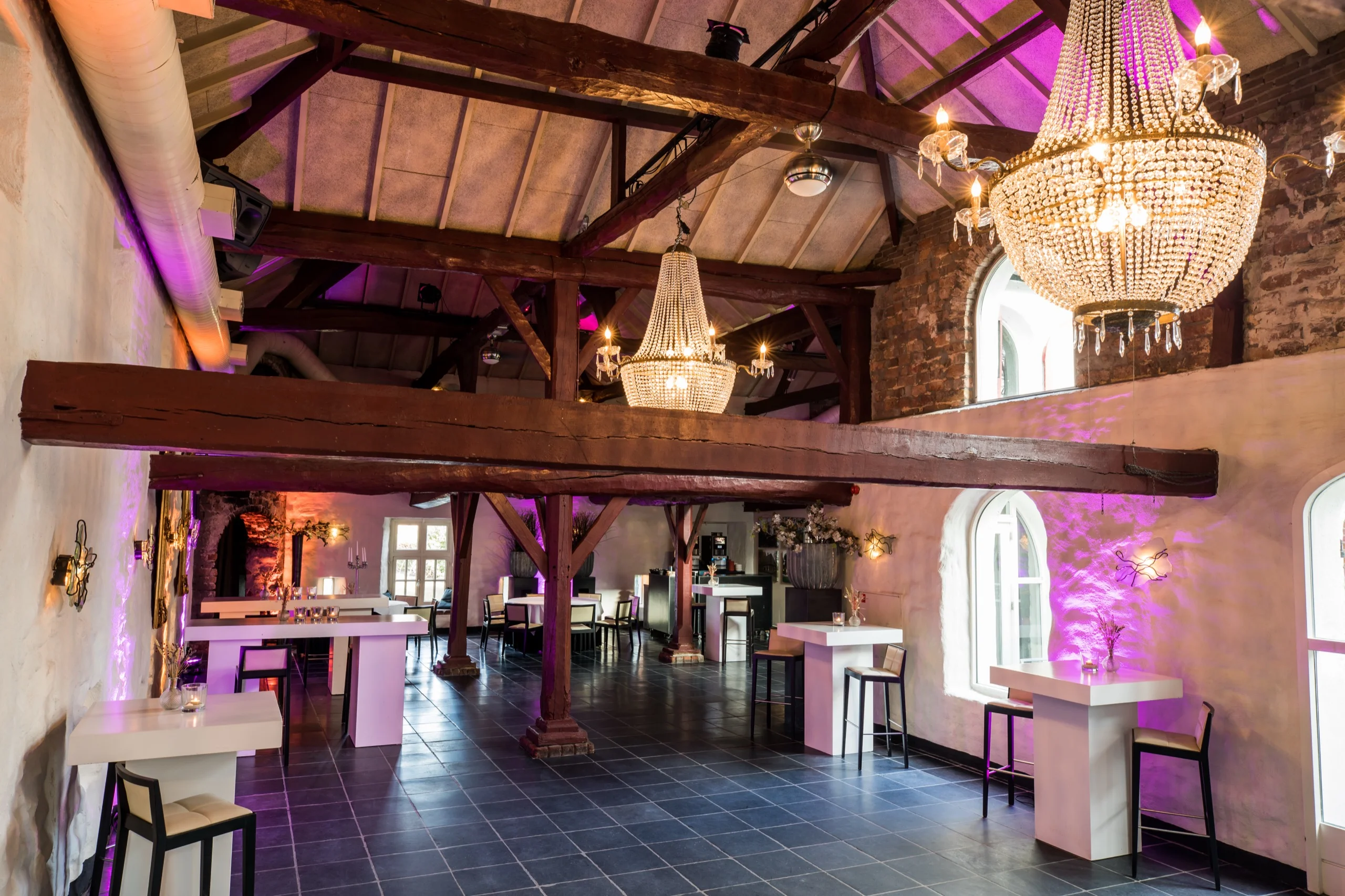
A per-person price of €50 can sound competitive, until you realize service, transport, crockery, and washing up are all billed separately. Meanwhile, a €95 rate may include everything and work out cheaper overall. So do not compare quotes on price per guest alone, compare the full proposal.
The four cost blocks
For a dinner for 50 guests, the budget usually breaks down into four main categories: food and drinks, staffing, equipment and logistics, and sometimes venue hire. For a seated dinner, the food often accounts for around half of the total cost, staffing for roughly a quarter to a third, and the rest is split between tableware, transport, and rental items.
Staffing is a bigger factor in 2026 than it used to be. According to Koninklijke Horeca Nederland, the statutory minimum wage rises from €14.71 to €14.99 per hour on 1 July 2026, an increase of 1.90 percent. For a dinner with four to six service staff working five to seven hours each, that feeds directly into the final bill.
What counts as a realistic price range
As a rule of thumb, for a well-organized corporate or private dinner for 50 guests in 2026, you should expect to pay between €40 and €150 per person. Below €40, you are almost always compromising on fresh preparation, service, or quality. Above €150, you are moving into premium territory with multi-course menus, wine pairings, and more elaborate styling.
How do labor costs and inflation affect the price of a dinner for 50 in 2026?
In 2026, catering prices are being driven mainly by labor costs, and to a lesser extent by lingering inflation in food purchasing. Two developments shape that picture.
The first is the hospitality collective labor agreement. The hospitality labor agreement for 2025 to 2026 runs through 31 December 2026 and has been declared generally binding, which means almost all hospitality businesses in the Netherlands must apply the wage agreements. Caterers cannot simply ignore that, and you see it reflected in service rates.
The second is inflation. According to CBS (Statistics Netherlands), inflation fell to 2.9 percent year-on-year in June 2026, after 3.5 percent in May. So price increases are easing, but purchasing costs for meat, fish, and dairy are still well above the levels of a few years ago.
On top of that, recovery in the hospitality sector remains slow. RaboResearch expects only a cautious recovery in volumes in 2026, partly because prices in this sector remain relatively high. For clients, that means competitive pricing does exist, but a caterer who consistently comes in far below the market is likely cutting corners somewhere.
Buffet, walking dinner, or seated dinner: what works best for 50 guests?
The format has the biggest impact on price. For 50 guests, three setups are most common, and they differ quite a bit in both staffing and guest experience.
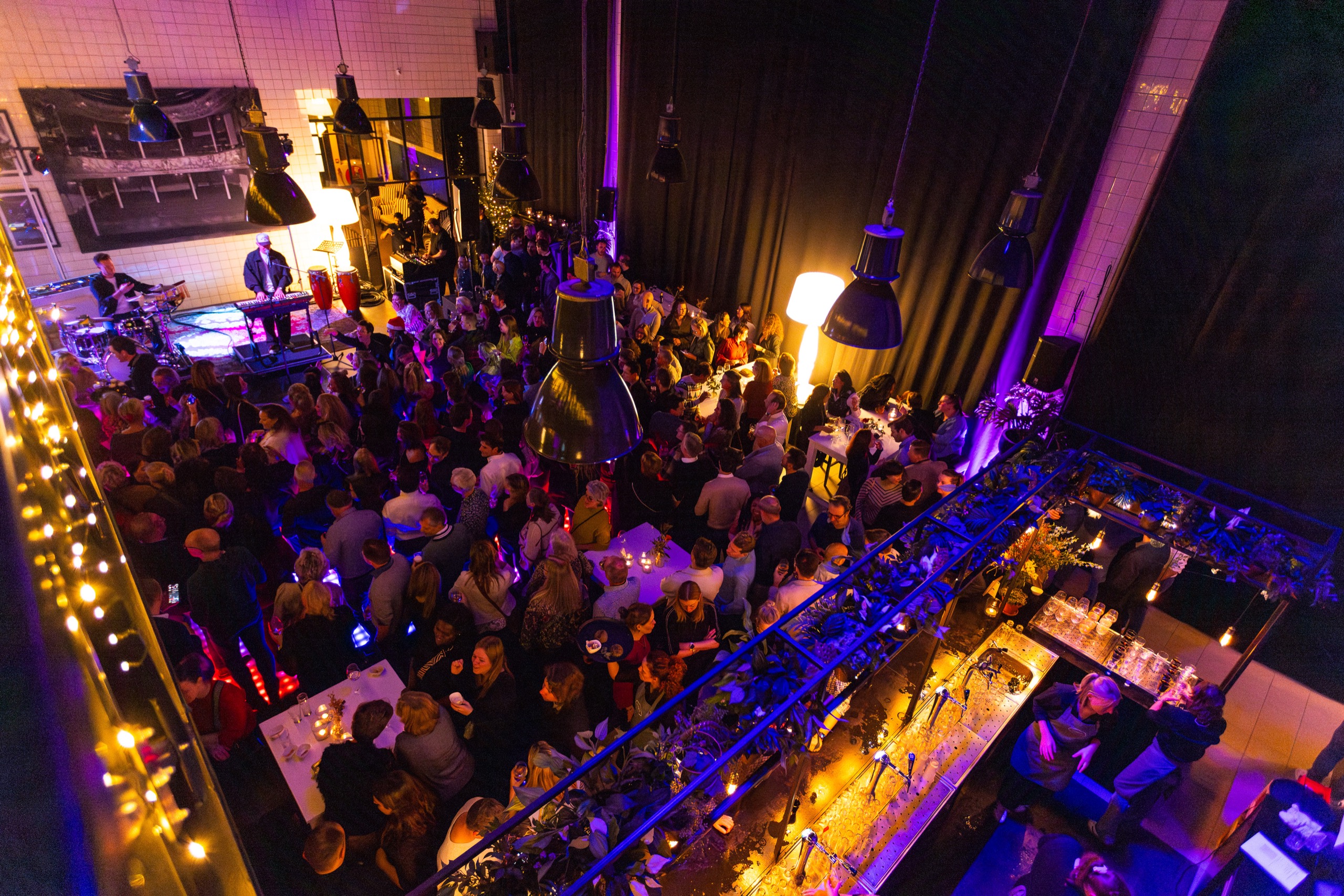
A buffet is usually the most budget-friendly option because guests serve themselves and you need fewer staff. A walking dinner takes more hands on deck because small dishes are served throughout the event, but it works well for networking. A seated dinner is the most staff-intensive and therefore the most expensive, but it also delivers the most polished experience. If you are torn between two options, this comparison of a walking dinner versus a buffet for a corporate event offers a useful side-by-side view.
| Format | Price per guest (2026) | Staffing for 50 guests | Best for |
|---|---|---|---|
| Buffet | €40 to €70 | 2 to 3 staff | Informal atmosphere, tight schedule |
| Walking dinner | €55 to €95 | 4 to 5 staff | Networking, standing event |
| Seated dinner | €75 to €150 | 5 to 7 staff | Formal dinner, table conversation |
The prices in the table are guide rates including food and basic service, but excluding venue hire and drinks charged on consumption. A dinner show or chef-at-table concept would sit above this range.
How to approach it:
- Decide on the goal first: networking suits a walking dinner, table conversation suits a seated dinner
- Check whether the venue has enough seating, a seated dinner needs 50 chairs plus tables
- Ask for pricing by format including staff, transport, and tableware
- For 50 guests, ask for drinks by hourly package instead of per glass
Should you manage it yourself or book everything through one partner?
Picture this: an office manager at a tech company with 120 employees is organizing a Christmas dinner for 50 colleagues. She calls one caterer for the food, a rental company for tables and crockery, another supplier for the tent in the courtyard, and arranges service staff herself through an agency. Four invoices, four contacts, four rounds of confirmations.
That can work, but it takes time and adds risk. If the tent arrives late or the tableware does not match the number of courses, the coordination falls back on her. For a dinner with 50 guests, having one central point of contact usually saves three to five separate check-ins and helps avoid clashes between suppliers.
That is the core of full-service catering. La Casserole works with one coordinated setup in which catering, styling, technical support, furniture, and project management are all handled under one lead. For a corporate dinner, that means one quote, one schedule, and one party responsible if anything needs adjusting. You can read more about La Casserole’s full-service approach on the catering page.
Managing separate suppliers does not always work out cheaper. You may save on markups, but often pay for it in your own time and in the risk of mismatches between vendors.
What caterers are required to comply with for 50 guests, and why that matters to you
Any caterer preparing and selling food, including from their own kitchen, is legally required to follow a food safety plan. That is not just a behind-the-scenes detail, it determines whether your dinner is served safely.
According to the Netherlands Food and Consumer Product Safety Authority (NVWA), a caterer must work with a food safety plan or hygiene code based on HACCP, and many businesses use the hygiene code from Koninklijke Horeca Nederland. That covers how cold and hot dishes are stored, how refrigeration is monitored, and how long food can safely remain out of temperature control.
For an off-site dinner or a garden event, this matters even more. The NVWA states that anyone preparing and selling food multiple times a year at markets and events must have a HACCP-based food safety plan. For an outdoor dinner, that means on-site refrigeration, protected prep areas, and temperature checks, all of which add staffing and equipment costs.
A professional caterer will already have this in place. Even so, it is worth asking about. If a supplier is vague on food safety, take that as a red flag.
What does this mean for your dinner budget?
The market shifts in 2026 translate into practical decisions. Once you understand that staffing is the fastest-rising cost block, you can control your budget without sacrificing the quality of the food.
Cut staffing complexity, not food quality
If you want to stay on budget, trim the format before you downgrade the menu. A buffet using the same ingredients as a seated dinner costs less because you need two to three fewer service staff. With 50 guests, that can be the difference between €55 and €90 per person.
Be smart about drinks pricing
Drinks costs can climb quickly with 50 guests if you are charged per glass. An hourly drinks package, or consumption-based billing with a spending cap, gives you more control over the final invoice. Always ask whether drinks are included in the per-person price or billed separately, this is one of the most common surprises after the event.
If you are planning outdoors, have a backup plan
A garden dinner has great atmosphere, but it comes with risks. Power, refrigeration, and weather all need to be covered, otherwise food ends up sitting in the sun or prep comes to a halt. If you are planning a garden party with catering and want to avoid issues with power and weather, it is worth discussing this with your caterer early.
How to approach it:
- Convert your maximum budget into a per-guest figure: €5,000 for 50 guests is €100 per person
- Choose the format that fits that number before selecting the menu
- Request three quotes using identical assumptions for courses, staffing, and timings
- For an outdoor event, allow an extra 5 to 10 percent for refrigeration, power, and a weather backup
How should you prepare your quote request?
A strong quote starts with a clear brief. Caterers can only price accurately when they know exactly what you want, and most price differences come from incomplete requests.
For every enquiry, provide the same essentials: guest count (50), date, venue, preferred format, start and end time, and whether drinks and staffing should be included. Without that baseline, you are not comparing like for like, and that is exactly why the five quotes in the introduction varied so much.
Also ask what happens if things change. What if 45 guests attend instead of 50? What does an extra hour of service cost? A supplier who is clear about this gives you much better control over the final bill. For the wider cost structure of corporate events, this guide on what catering costs for a corporate event in 2026 is a useful companion to the figures here.
Frequently asked questions
How much does a dinner for 50 cost in 2026?
A catered dinner for 50 guests in 2026 typically costs €40 to €150 per guest, or €2,000 to €7,500 in total. A buffet sits at the lower end, while a seated dinner with full table service sits at the top end. Staffing costs are rising this year in line with the hospitality labor agreement, so make sure service is clearly broken out in the quote.
What does a caterer charge per hour?
The hourly rate for service staff in 2026 is influenced in part by the hospitality minimum wage, which rises to €14.99 per hour from 1 July 2026. Caterers usually charge more than that because employer costs, transport, and coordination are included as well. So always ask how many staff will be scheduled and for how many hours, rather than focusing on one standalone hourly rate.
Is a buffet cheaper than a plated dinner?
Yes, a buffet is usually cheaper for 50 guests than a seated dinner, mainly because it needs fewer staff. A buffet often works with 2 to 3 team members, while a seated dinner typically needs 5 to 7. With similar ingredients, the difference can reach €30 or €40 per guest.
Does a caterer have to follow food safety rules?
Yes, every caterer is legally required to work according to a food safety plan based on HACCP, including for off-site or garden dinners. According to the NVWA, this applies to anyone who prepares and sells food multiple times a year. If you are hosting an outdoor dinner, ask specifically how refrigeration and temperature control will be handled.
How does La Casserole help with a dinner for 50 guests?
La Casserole can manage a dinner for 50 guests as one complete solution, with catering, service, tableware, styling, and where needed, venue arrangements all handled under one lead. With more than 40 years of experience and its own event venues in Brabant, the client gets one quote and one point of contact instead of four separate suppliers. In practice, that saves three to five coordination moments and helps prevent different parts of the event from clashing.
Conclusion
A dinner for 50 guests in 2026 typically costs between €40 and €150 per person, and that range is there for a reason: the format and the staffing level are what determine the final price. For a dinner for 50 in 2026, a buffet keeps costs lower, while a seated dinner with full service pushes the budget upward, and wage increases in the hospitality labor agreement make staffing the key cost area to watch this year.
Start with your maximum budget per guest, choose the format that fits, and only then move on to menu options. Make sure every quote is based on the same assumptions, so you can compare them fairly and avoid surprises on the final invoice.
If you would rather hand over the coordination and work from one quote and one timeline, La Casserole offers a full-service approach that brings catering, staffing, and styling together under one lead, from the first plan to the final clear-up.
Looking to host a stylish event in Brabant? Let us handle it!
Sources
- Koninklijke Horeca Nederland — Khn
- horeca-cao 2025-2026 loopt tot en met 31 december 2026 en is algemeen verbindend verklaard — Horecava
- CBS (Centraal Bureau voor de Statistiek) — Cbs
- RaboResearch — Rabobank
- Nederlandse Voedsel- en Warenautoriteit (NVWA) — Nvwa
- Inflatie daalt in juni naar 2,9 procent — CBS (Centraal Bureau voor de Statistiek)
- Wettelijk minimumloon (WML) stijgt per 1 juli 2026 — Koninklijke Horeca Nederland (KHN)
- HACCP — Nederlandse Voedsel- en Warenautoriteit (NVWA)