

La Casserole has seen time and again that, when companies celebrate a milestone anniversary, the choice between a walking dinner and a buffet is about far more than food. A walking dinner is ideal when networking and movement are central to the evening, while a buffet is often the better fit for larger groups who want to eat at the same time and include guests of all ages. In practice, the decision comes down to five things: the purpose of the event, guest numbers, age mix, available budget, and venue logistics. It is also why we bring catering, service, and logistics together under one point of contact.
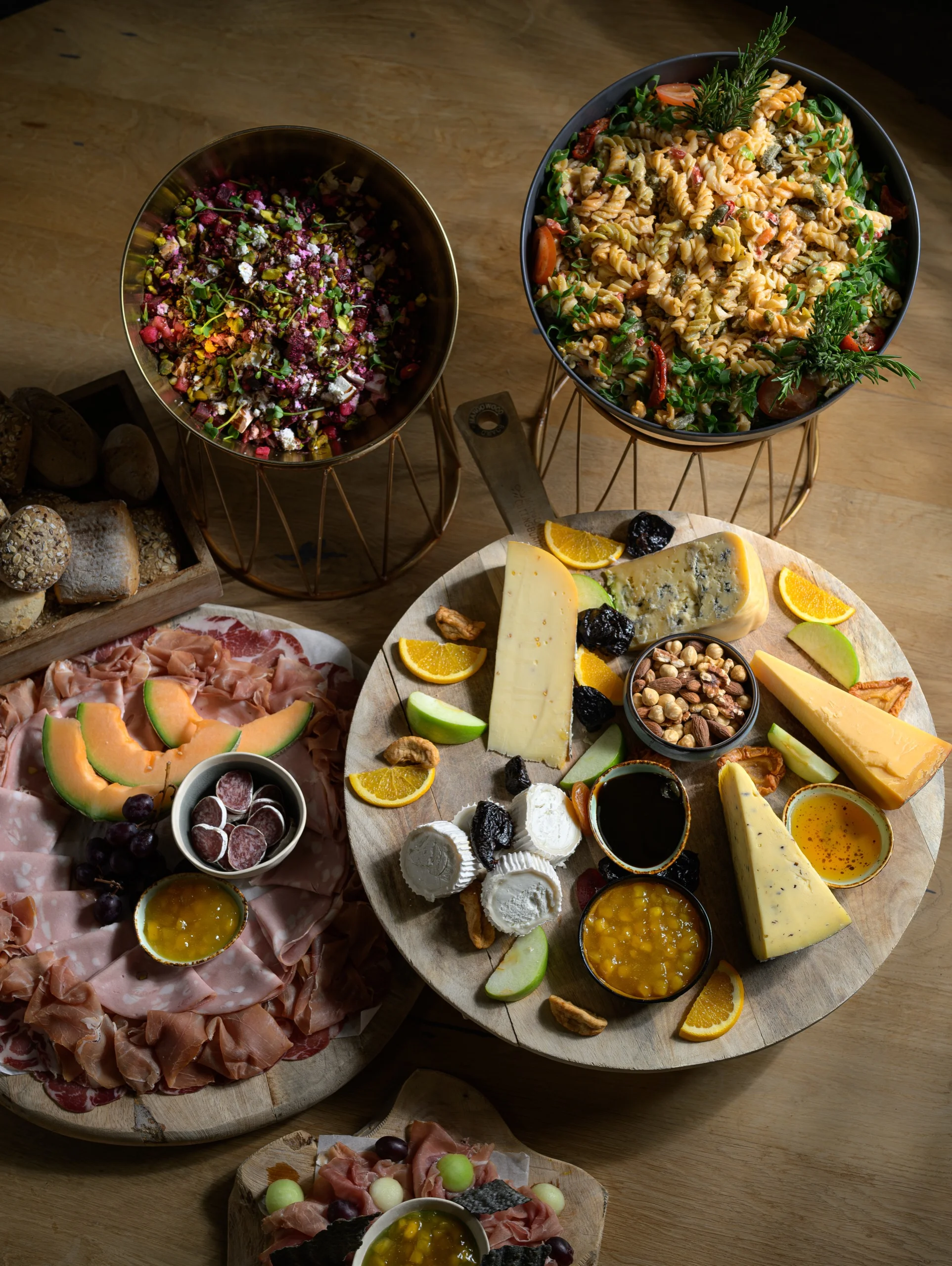
- Buffet: plenty of choice, everyone can eat at the same time, and it works well for 100+ guests and varied dietary requirements.
- Costs: a walking dinner typically requires around 20 to 40% more service hours than a buffet.
- Food safety: hot food must be at least 60°C when served, while cold food must be no warmer than 7°C. Temperatures must be recorded for both formats.
- La Casserole combines catering, service, and logistics under one point of contact, ensuring the format supports the goals of your anniversary celebration.
Introduction
When working on company anniversaries, La Casserole often finds that the catering format is decided last, even though it has a major influence on the entire guest experience. You book a beautiful venue, arrange the speakers, send the invitations, and only then ask the question: walking dinner or buffet? (Services)
That can be an expensive order of priorities. The way food is served determines whether guests stay rooted to their tables or move around the room, whether senior leadership chats with employees or everyone stays in their usual circles, and whether the final budget matches what you had in mind.
For HR managers and leadership teams organising a 25 or 40 year company anniversary, this is not a minor detail. An anniversary is about celebrating people, not just the business. Your catering should encourage interaction, not get in the way of it. This guide lays out the five main differences between a walking dinner and a buffet, including practical thresholds, a decision matrix, and a checklist. No vague theory, just the considerations that make a real difference on the day.
How Large Has the Event Catering Market Become?
The decision between catering formats sits within a rapidly growing market. According to Statistics Netherlands (CBS), the total number of food and drink businesses in the Netherlands rose by 83% between 2007 and 2024, from nearly 38,000 to 69,000 businesses. The number of event catering companies increased more than sixfold.
For clients, that means plenty of choice, but also plenty of suppliers that only cover one part of the job. One company provides the food, another supplies staff, and another handles the venue. For a 150 guest anniversary, that can quickly mean coordinating five to eight separate suppliers.
This is where a full service event partner adds real value. Bringing catering, service staff, furniture, and logistics together in one contract shifts the coordination risk away from the client. La Casserole works this way, with one central point of contact connecting the catering format to the room layout and event schedule, rather than leaving separate elements to somehow fall into place.
Walking Dinner or Buffet: What Is the Real Difference?
A walking dinner consists of a series of small courses served to guests as they stand and move around, while a buffet is a central serving station where guests fill their own plates. It may sound like a small distinction, but it has a big impact on guest behaviour.
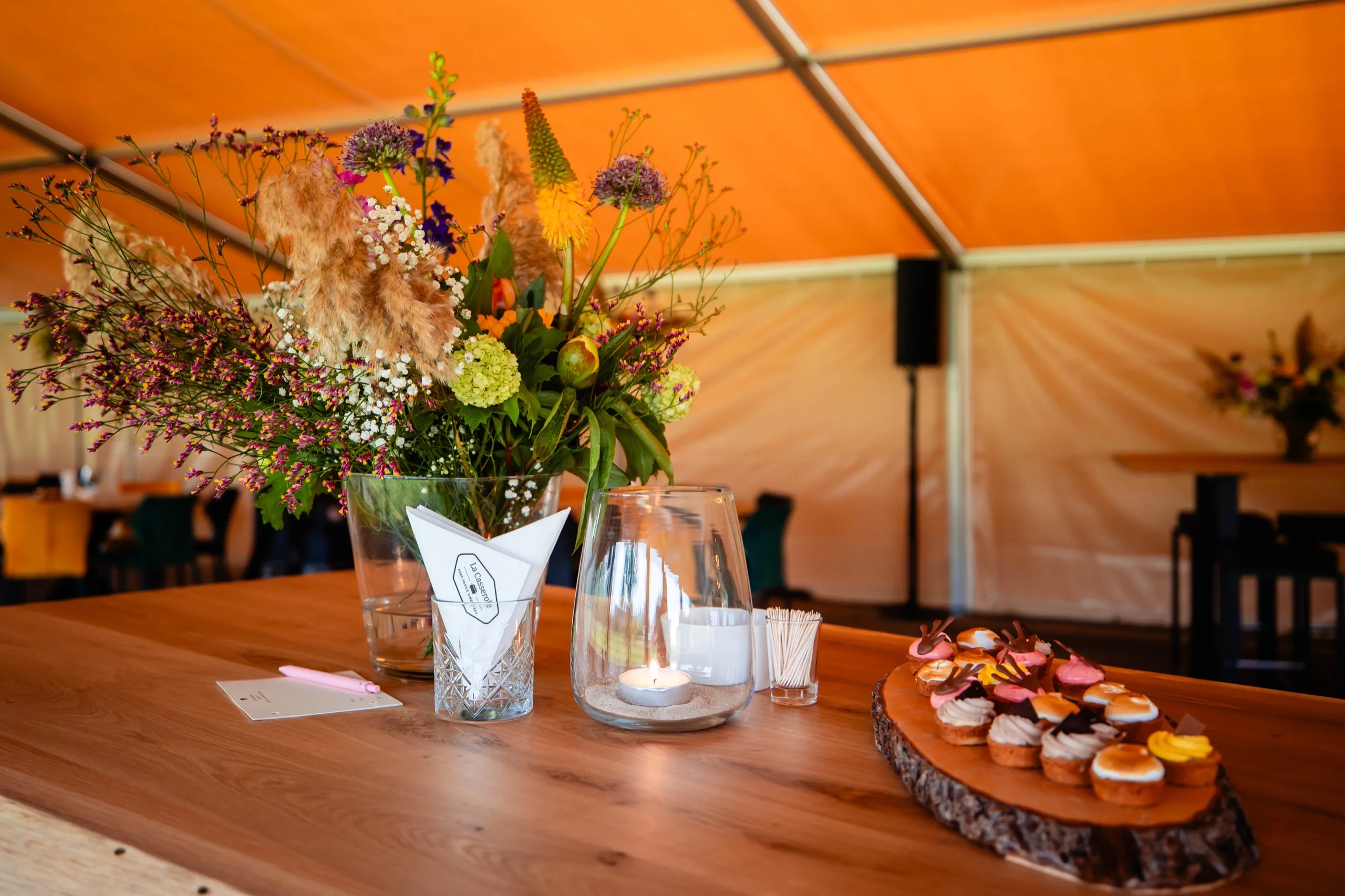
At a walking dinner, people naturally keep moving. They tend to switch conversation partners between courses, which makes this format particularly effective when you want different departments to mingle. With a buffet, guests are more likely to sit or stand with the same group for longer. It feels more relaxed, but creates less movement.
When Is a Walking Dinner the Better Choice?
A walking dinner suits anniversary events built around networking and energy. Think of a 25 year anniversary where leadership, clients, and employees are all in the same room. The small courses make it easy, and almost inevitable, for people to strike up new conversations.
This format works best for around 30 to 120 guests. Above that number, service logistics become more demanding unless you use multiple serving points. A walking dinner also requires more service hours. In practice, expect around 20 to 40% more staff time than for a buffet, as courses need to be served continuously.
When Is a Buffet the Better Choice?
A buffet is the dependable option for large and diverse groups. At a 40 year anniversary with 200 guests, from interns to retired former colleagues, a buffet gives everyone the freedom to choose what they would like to eat. It also accommodates dietary requirements and preferences without relying on complex pre orders.
Buffets are easier to scale, too. More guests mainly mean more serving dishes and a longer buffet line, rather than a steep increase in staffing. The downside is that a poor layout can create queues, and guests waiting in line are not networking.
Putting this into practice:
- Want guests to network and mix across departments? Choose a walking dinner.
- Hosting more than 150 guests with a wide range of ages and dietary requirements? Choose a buffet.
- Unsure with 100 to 150 guests? Consider a hybrid approach: a buffet as the main meal, with two walking dinner courses to open the evening.
- Short on space per guest, with less than around 1.5 m² available? A buffet with multiple serving points will help prevent congestion.
Which Format Works for Your Guest Numbers and Budget?
The numbers can make the decision clearer. The matrix below compares both options across the factors HR managers and leadership teams most often weigh up. Costs are indicative and depend on the menu, venue, and season. For a detailed cost breakdown, the guide to the cost of a dinner for 50 people is a useful starting point.
| Factor | Walking dinner | Buffet |
|---|---|---|
| Ideal guest numbers | 30 to 120 | 80 to 300+ |
| Service staff, indicative | 1 staff member per approx. 15 guests | 1 staff member per approx. 30 guests |
| Guest interaction | High, guests keep moving | Moderate, groups tend to stay together |
| Space per guest | Approx. 1.5 to 2 m², standing | Approx. 1 to 1.2 m², plus buffet line |
| Length of the meal | 2 to 3 hours, spread across the evening | 45 to 90 minutes, in one focused block |
| Dietary requirements | Requires planning for each course | Flexible, guests choose for themselves |
One key difference is the timing of the meal. A walking dinner spreads food throughout the evening, which works well when speeches are scheduled between courses. A buffet concentrates the meal into a shorter window, making it ideal if you have a band or party planned afterwards.
Bear in mind that a walking dinner requires more kitchen capacity at the venue. Small courses mean more moments of preparation and finishing. At venues without a professional kitchen, that capacity needs to be brought in, which affects the budget. If you want to work through the full cost structure of a corporate event, the guide to what corporate event catering costs covers the expenses that are most often overlooked.
Why Is Food Safety Non Negotiable for Both Formats?
Your choice of format does not change the rules: food safety requirements are the same for both and they are not optional. HACCP is legally required in the Netherlands for every business that prepares or serves food professionally. According to the Netherlands Food and Consumer Product Safety Authority (NVWA), this mandatory system helps businesses handle food safely and hygienically. That applies just as much to a walking dinner as it does to a buffet.
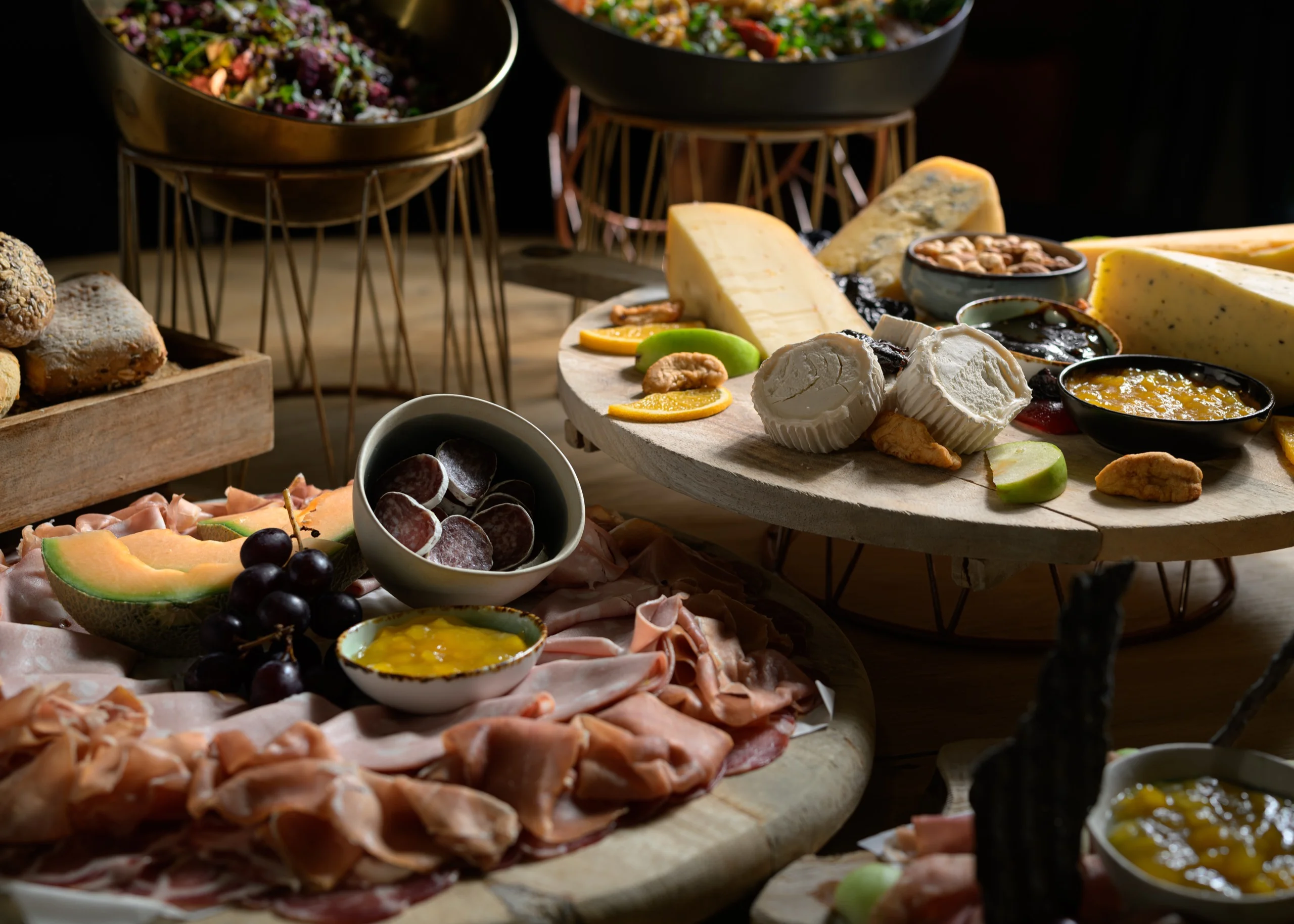
The underlying standards are set at European level. The NVWA refers to EU Regulation (EC) No 852/2004, which outlines the requirements for a food safety plan or approved hygiene code. The NVWA assesses compliance with these requirements during inspections, including at event venues.
Temperature control is often where buffets can go wrong. Under the hospitality hygiene code, hot dishes must be at least 60°C when served and cold dishes must be no warmer than 7°C. These temperatures must be checked and recorded regularly. At a buffet that remains open for three hours on a warm summer evening, this needs careful attention.
Why this matters to you as the client: the industry body Koninklijke Horeca Nederland (KHN) warns that food poisoning symptoms can often appear within eight hours of contamination and advises against leaving food at room temperature for too long, especially in warm weather. A buffet therefore needs active temperature management using bain maries and chilled displays. A walking dinner is naturally easier to manage because dishes come fresh from the kitchen and are served immediately.
Putting this into practice:
- Ask your caterer for their HACCP food safety plan or the hygiene code they follow before signing a contract.
- For a summer buffet, confirm that chilled displays and bain maries will be in place for the full serving period.
- Agree how often temperatures will be checked and recorded during the event.
- In warm weather, limit the time vulnerable products such as fish, chicken, and dairy are on display.
How Can You Avoid Stress on the Day?
Choosing the format is step one. Coordinating the delivery is where anniversary events often begin to unravel. Picture an HR manager at a manufacturing company organising a 40 year anniversary for 180 employees. Without central coordination, she is calling the caterer about the menu, a rental company about cocktail tables, a technician about sound, and the venue about the layout. Four suppliers, four event schedules, one stressful evening.
With one event partner, that changes. The menu, room layout, staffing plan, and logistics are all included in one event schedule. This coordination matters even more for a walking dinner, because course timing must work around speakers and the event programme. If a speech overruns, the next course needs to move with it. That only works when the kitchen and service teams are fully in sync.
This end to end approach is exactly what La Casserole is set up to deliver: catering, styling, technical production, furniture, and project management under one point of contact, backed by more than forty years of experience in corporate events. For clients, that means one phone number instead of eight, and one partner accountable when plans change. To see how La Casserole manages an event from concept through to delivery, explore our approach.
Best Practice Checklist
Before committing to a catering format for your anniversary celebration, work through these points. They help prevent the mistakes clients most often regret later.
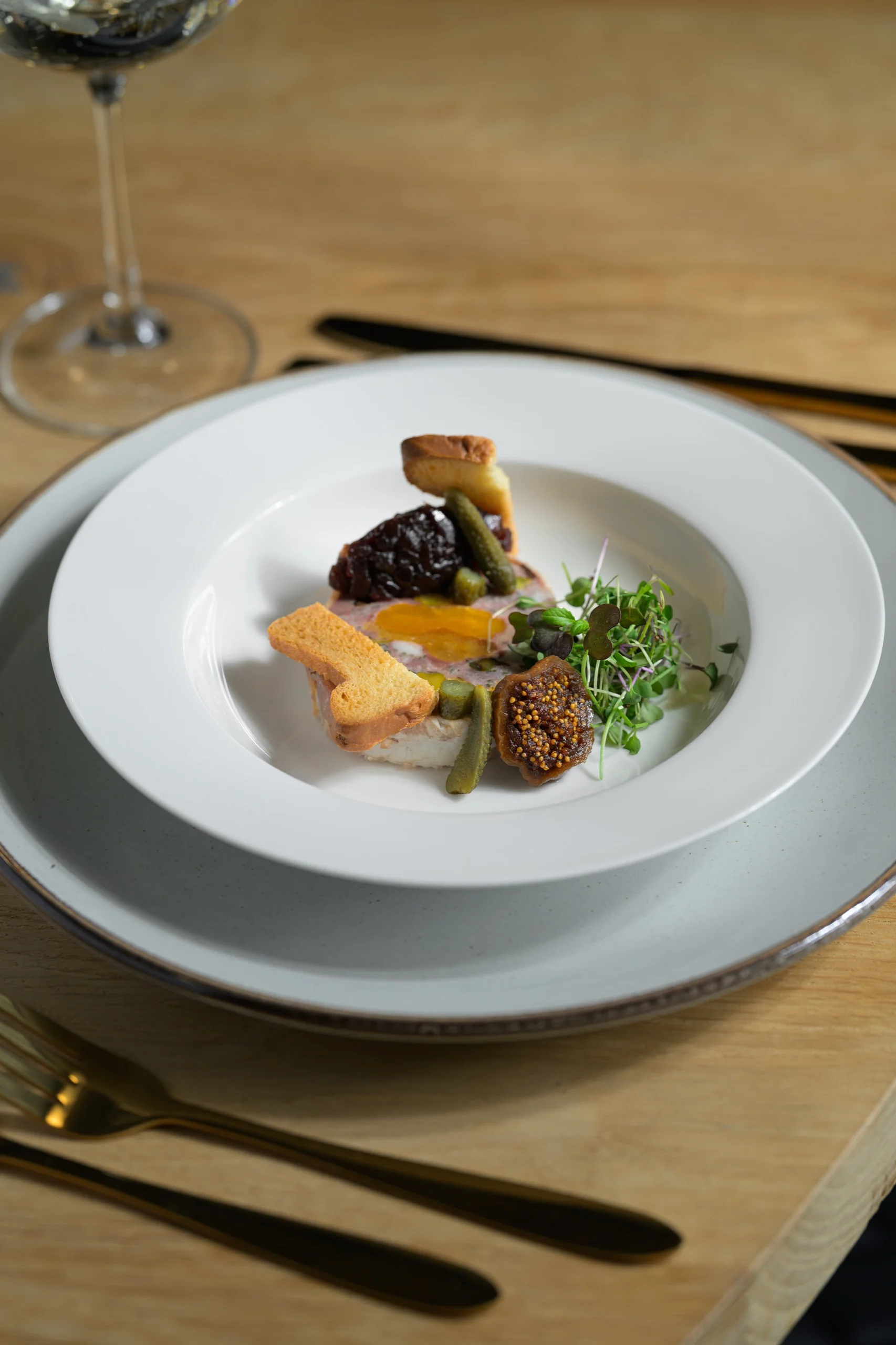
Best practice checklist for anniversary catering:
- Set the goal first: Networking and cross department mingling call for a walking dinner. Celebrating together with a mixed group often calls for a buffet.
- Count guests realistically: A walking dinner is manageable for up to 120 guests. Above that, a buffet is usually simpler logistically.
- Consider the age mix: For a group ranging from interns to retirees, a buffet offers more flexibility and choice.
- Request the HACCP plan: Every professional caterer should work with a food safety plan or approved hygiene code.
- Calculate service hours: A walking dinner generally requires 20 to 40% more service time than a buffet.
- Measure space per guest: With less than around 1.5 m² per guest at a walking dinner, congestion becomes likely. Choose a buffet with multiple serving points instead.
- Match food to the programme: Plan a meal spread across the evening around speeches, or a focused meal block before a party.
- Choose one point of contact: One partner for catering, service, and logistics helps prevent coordination mistakes on the day.
What to Avoid
The biggest mistake is choosing a catering format based on appearances rather than purpose. A walking dinner may sound more exclusive, but with 250 guests in a cramped room it can turn into a traffic jam of people carrying small plates. Choose the format that supports the behaviour you want to encourage, not the one that sounds best on a proposal.
A second pitfall is underestimating the staffing required. A buffet may be self service, but without staff to refill dishes, monitor temperatures, and manage the line, it quickly becomes disorderly. With the requirement to keep hot dishes at a minimum of 60°C and cold dishes at a maximum of 7°C, oversight is not a luxury, it is essential.
The third mistake is looking at logistics only after choosing the format. A walking dinner at a venue without kitchen capacity means bringing in a mobile kitchen, along with the required power supply and space. If that is missed, you may discover the problem on the day itself. The difference between a successful gathering and one that loses momentum is explored in this analysis of why some company drinks receptions fizzle out while others stay lively.
Putting this into practice:
- Test your catering choice against the goal of the evening, not the photo in the proposal.
- Always budget for buffet staff to replenish food and manage temperatures.
- Check kitchen capacity and power connections at the venue before confirming your format.
- For more than 150 guests, plan multiple serving points to avoid queues.
Frequently Asked Questions
What is a walking dinner, and how is it different from a buffet?
A walking dinner consists of several small courses that guests enjoy while moving around, whereas a buffet is a central serving station where everyone fills their own plate. The biggest difference is guest behaviour: a walking dinner encourages networking and mingling, while a buffet keeps groups together for longer. For an anniversary celebration, that can determine whether leadership and employees connect or stay in their familiar circles.
Is a walking dinner or buffet better for a large anniversary celebration?
For larger groups of around 150 guests or more, a buffet is generally more practical because it is easier to scale and flexibly accommodates different dietary requirements and age groups. A walking dinner works best for 30 to 120 guests, where the small courses genuinely encourage new conversations. If your guest count is around 100 to 150, a hybrid format, with a buffet and a few walking dinner courses, is often the best solution.
How much more expensive is a walking dinner than a buffet?
In practice, a walking dinner requires around 20 to 40% more service hours than a buffet because courses are served continuously and more on site kitchen capacity is needed. The exact difference depends on the number of courses, the venue, and guest numbers. Always ask for an itemised proposal that lists service and kitchen staffing separately.
What food safety rules apply to a buffet or walking dinner?
HACCP is legally required for every caterer. Hot dishes must be at least 60°C when served and cold dishes must be no warmer than 7°C, with temperatures checked and recorded regularly. According to KHN, food poisoning symptoms can often develop within eight hours, so food should not remain at room temperature for too long. For a summer buffet, active temperature management using bain maries and chilled displays is therefore essential.
How does La Casserole help you choose between a walking dinner and a buffet?
La Casserole matches the catering format to the purpose of your anniversary event, bringing catering, service, styling, technical production, and logistics together under one point of contact. With more than forty years of experience and over a thousand events delivered, the team tailors the format to your guests, age mix, and event programme. That means you will not be juggling five separate suppliers on the day.
Conclusion
Choosing between a walking dinner and a buffet is not simply a matter of taste. It is a decision about guest behaviour. If you want people to move, mingle, and network, a walking dinner is the stronger choice for up to around 120 guests. If you want a large, mixed group to eat at the same time with maximum freedom of choice, a buffet is the dependable option. From there, let guest numbers, age mix, budget, and venue logistics make the final decision.
What stays the same in both cases is that HACCP requirements are strict, and coordination between the kitchen, service team, and event programme determines whether the evening runs smoothly. An anniversary should be a time to celebrate people, not chase separate suppliers by phone. By choosing your format early and working with one partner, you can focus on the celebration itself. La Casserole builds that coordination into every event schedule, so your catering format supports the anniversary instead of getting in its way.
Looking to host a stylish event in Brabant? Let us handle it!
Sources
- Centraal Bureau voor de Statistiek (CBS) — Cbs
- Nederlandse Voedsel- en Warenautoriteit (NVWA) — Nvwa
- Koninklijke Horeca Nederland (KHN) — Khn
- Meer restaurants en catering, minder cafés — Centraal Bureau voor de Statistiek (CBS)
- HACCP — Nederlandse Voedsel- en Warenautoriteit (NVWA)
- Voedselveiligheidsplan of hygiënecode voor horeca en ambachtelijke bedrijven — Nederlandse Voedsel- en Warenautoriteit (NVWA)
- Hygiënecode — Koninklijke Horeca Nederland (KHN)
- Log- en instructieboek voor sportkantines (Hygiënecode) — NOC*NSF